Chip Stocks Surge on AI Demand: The Next Dotcom Boom?
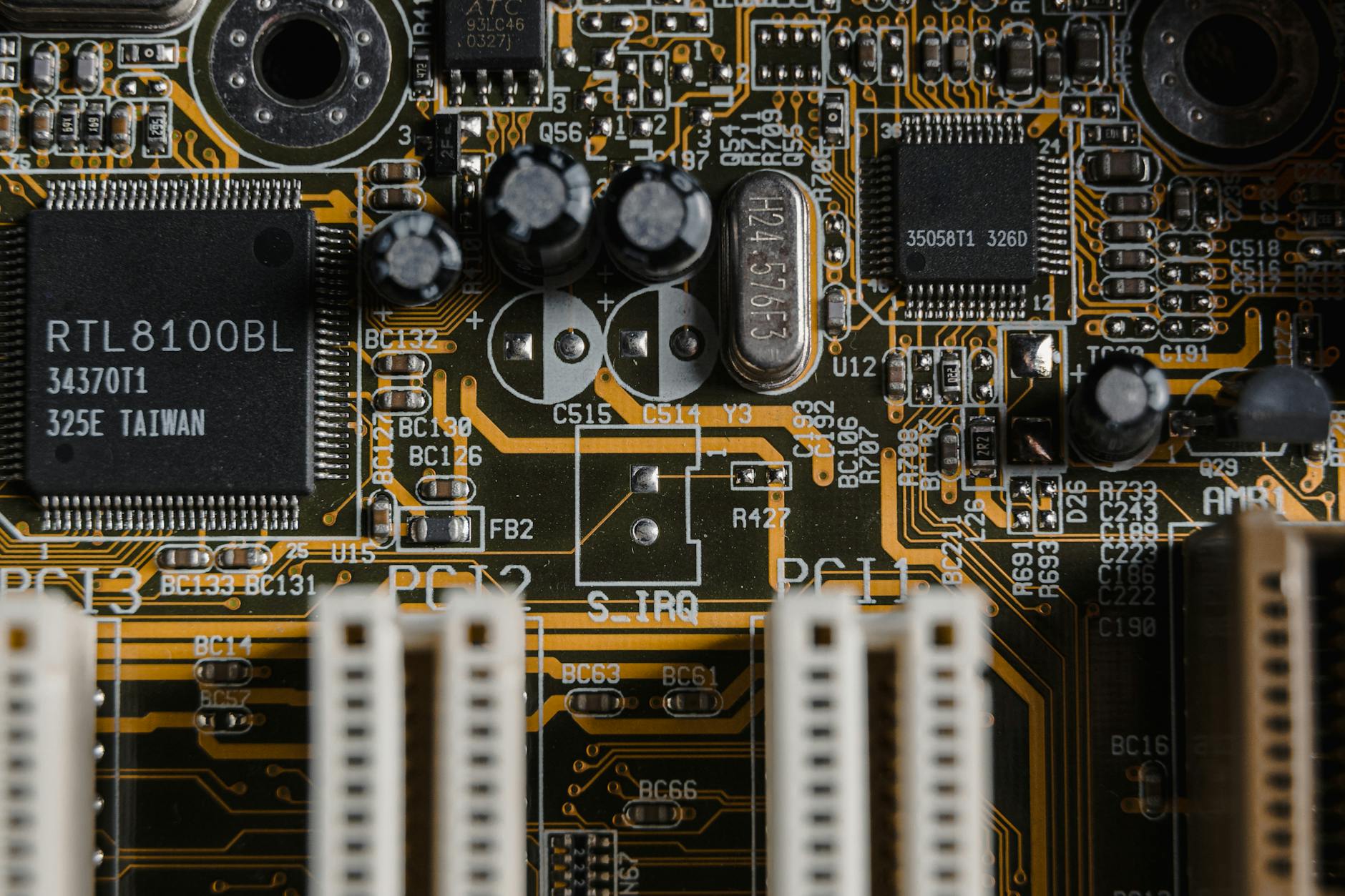
The semiconductor industry is undergoing a seismic transformation, propelled by explosive demand for artificial intelligence (AI) technologies. As major tech companies rush to enhance their data center capabilities, chip stocks are now on a trajectory for their most significant gains since the dotcom era of the late 1990s. The Philadelphia Semiconductor Index has surged an astonishing 75% in 2026, underscoring a fundamental shift in how technology companies invest in infrastructure to support AI-driven applications.
Key Takeaways
- The Philadelphia Semiconductor Index has seen a 75% increase in 2026, marking the largest gains since the dotcom bubble.
- Big Tech companies are at the forefront of this surge, heavily investing in data centers to support AI applications.
- Demand for advanced chips, particularly GPUs, is escalating as companies seek to leverage AI for competitive advantage.
- The semiconductor supply chain is adapting to meet the increasing demands for AI, reshaping industry dynamics.
- Investors are closely watching this trend, as it may signal a new era of growth and innovation in the tech sector.
What Happened?
The semiconductor market is experiencing unprecedented growth, driven largely by investment from tech giants aiming to capitalize on AI's potential. In 2026, the Philadelphia Semiconductor Index has soared 75%, a remarkable revival reminiscent of the late 1990s dotcom boom. The growth is largely attributed to substantial spending in data centers, where companies are deploying state-of-the-art chips designed to handle AI workloads.
Companies like NVIDIA, AMD, and Intel are leading the pack, providing the necessary hardware to support sophisticated AI algorithms and machine learning models. This increased demand for chips is not merely a passing trend; it reflects a long-term shift in technology infrastructure aimed at enhancing computational capabilities across various sectors, including healthcare, finance, and entertainment.
Analysts note that the rise in chip prices and the corresponding stock valuations are fueled by both demand for AI capabilities and a tight supply chain. The COVID-19 pandemic highlighted vulnerabilities in semiconductor production, leading to delays and shortages that further intensified competition for chip resources. As a result, companies are not only racing to secure chips but are also investing in expanding production capabilities.
Why This Matters
The implications of this semiconductor surge extend far beyond the stock market. The race for AI supremacy is reshaping industries, driving innovation, and altering consumer behavior. As companies invest heavily in data centers and advanced computing technologies, we are likely to see rapid advancements in AI applications, from autonomous vehicles to personalized healthcare solutions.
Moreover, the semiconductor boom may lead to shifts in global economic power. Countries that can establish themselves as leaders in semiconductor manufacturing—such as the U.S., China, and Taiwan—will play a crucial role in the technological landscape. Supply chain vulnerabilities exposed during the pandemic have prompted governments to focus on enhancing domestic semiconductor production, a move that could reshape geopolitical dynamics.
Background and Context
The semiconductor industry has long been a cornerstone of technological advancement, but it has also faced significant challenges. Historically, the market has been cyclical, with periods of boom and bust driven by fluctuations in demand and supply chain constraints. The initial dotcom boom of the late 1990s saw similar patterns, where rapid growth in the tech sector led to inflated stock prices and a subsequent crash.
In recent years, the demand for semiconductors has surged due to the proliferation of connected devices, the Internet of Things (IoT), and the increasing complexity of software applications. The COVID-19 pandemic accelerated digital transformation trends, leading to a spike in demand for electronic devices, which in turn increased the need for semiconductors. As AI technologies become more pervasive, this demand is expected to continue growing, fundamentally changing the landscape of the semiconductor industry.
Expert Analysis
The current semiconductor market dynamics present both opportunities and challenges. While the rapid growth in stock prices may suggest a booming industry, it is crucial to consider the underlying factors driving this trend. The significant demand for AI-capable chips is clear, but so too are the challenges posed by supply chain disruptions and geopolitical tensions.
Investors must navigate a complex landscape where valuations can be volatile. While companies like NVIDIA and AMD benefit from dominant positions in the GPU market, competition is intensifying. New entrants are emerging, and established players are ramping up research and development (R&D) to create next-generation chips capable of more efficiently handling AI workloads.
Furthermore, the potential for a bubble exists. The dotcom era taught valuable lessons about the sustainability of rapid growth. While the current demand for semiconductors is driven by concrete technological advancements, the question remains: can this growth be maintained, or are we witnessing a speculative frenzy? Investors and industry stakeholders must remain vigilant, focusing on fundamentals rather than hype.
What This Means for the Tech Industry
The semiconductor surge will have far-reaching implications for various stakeholders in the tech industry. For hardware manufacturers, this is an opportunity to invest in R&D to create innovative chips that meet the specific demands of AI applications. Collaboration among companies, research institutions, and governments will be vital in fostering innovation and driving technological advancements.
For software developers, the increased availability of powerful chips will enable the development of more sophisticated AI algorithms and applications. This could lead to breakthroughs in areas such as natural language processing, image recognition, and robotics. The enhanced computational capabilities of upcoming chips will empower developers to create applications that were previously thought to be unattainable.
Consumers can also expect to see the benefits of these advancements in everyday life. As AI applications become more prevalent, they will likely lead to improved services, enhanced user experiences, and novel products that leverage AI technologies. From smart home devices to AI-driven healthcare solutions, the consumer landscape will be transformed.
Frequently Asked Questions
What are the main drivers of the current semiconductor boom?
The primary drivers include the rapid growth in AI demand, significant investments in data centers by tech giants, and supply chain constraints that have intensified competition for semiconductor resources.
How does the semiconductor surge impact the global economy?
The semiconductor industry is pivotal to technological advancement, and its growth influences various sectors. Countries that lead in semiconductor manufacturing are likely to gain economic advantages, reshaping global economic power dynamics.
Are we at risk of another semiconductor bubble similar to the dotcom era?
While the current growth is fueled by genuine demand, there are concerns about speculative valuations. Investors should focus on fundamentals and market sustainability to avoid repeating past mistakes.
What innovations can we expect from advancements in semiconductor technology?
As chip manufacturers develop more powerful and efficient processors, we can expect breakthroughs in AI applications, leading to improved services in healthcare, automotive, finance, and more.
The Road Ahead
Looking forward, the semiconductor industry's trajectory appears promising, yet fraught with challenges. Continued investment in R&D will be crucial as companies strive to develop chips that can meet the growing demands of AI applications. As the industry evolves, collaboration among stakeholders will become increasingly important to facilitate innovation and address supply chain complexities.
The geopolitical landscape surrounding semiconductor production will also continue to shift, as nations prioritize domestic manufacturing capabilities. As governments recognize the strategic importance of semiconductors, we may see new policies and initiatives aimed at bolstering national industries, which could further influence market dynamics.