Navigating Success in Chip Design: Insights from Academia to Industry
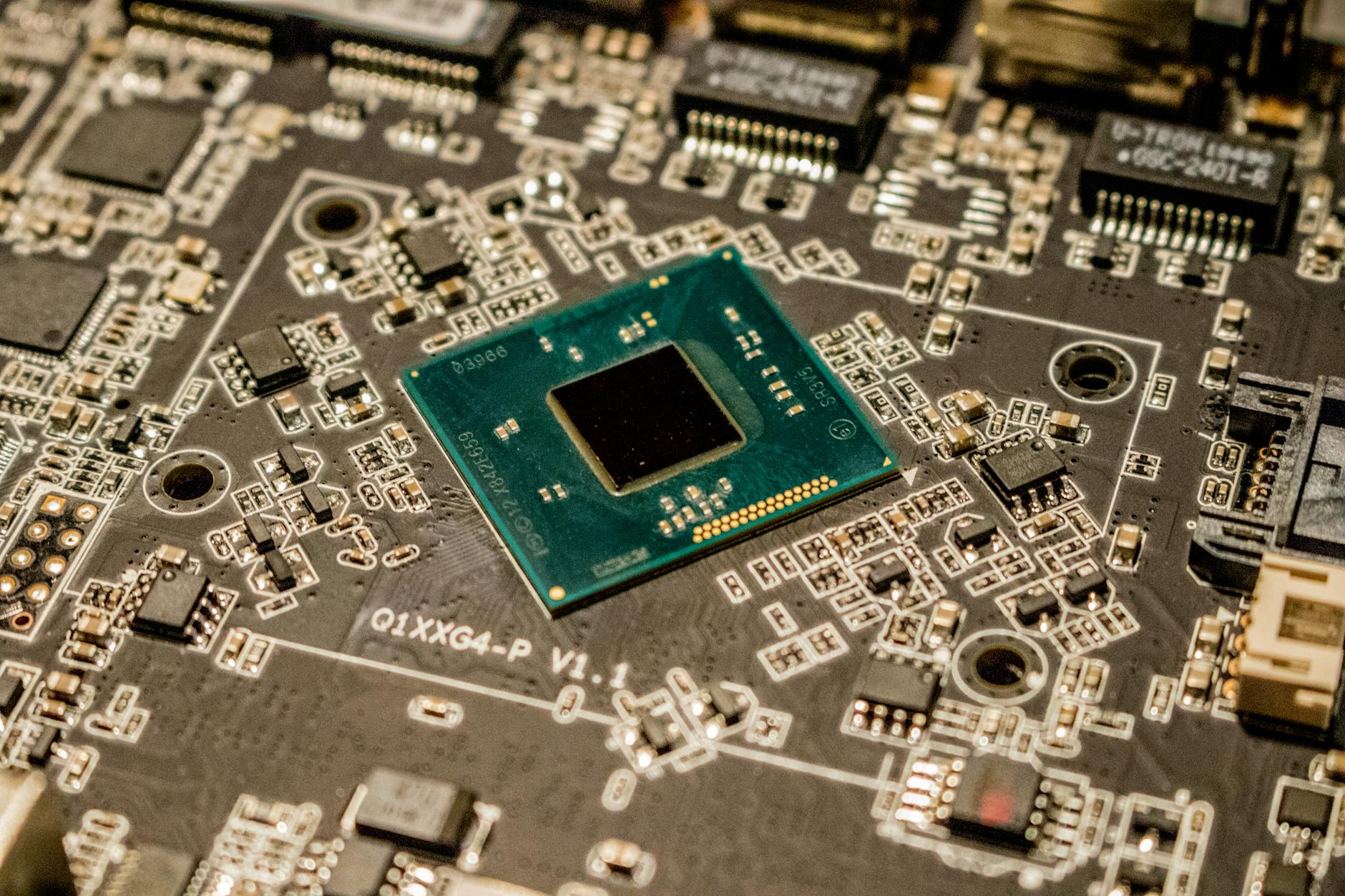
Transitioning from the ivory tower of academia to the fast-paced world of industry is a journey fraught with challenges and opportunities. For professionals in the semiconductor sector, particularly chip designers, this shift can be pivotal in shaping their careers and the technologies they develop. As the semiconductor industry faces unprecedented demand and rapid innovation cycles, understanding the nuances of this transition becomes increasingly crucial.
Key Takeaways
- The semiconductor industry is evolving rapidly, presenting unique challenges and opportunities for chip designers.
- Academics transitioning to industry often bring valuable research insights, but must adapt to different operational and commercial realities.
- The success of a chip designer hinges on a mix of technical skills, business acumen, and an understanding of market needs.
- Networking and collaboration are essential in bridging the gap between academic research and industry applications.
- The semiconductor landscape is expected to continue evolving, making adaptability a key trait for future chip designers.
Understanding the Journey of a Chip Designer
The narrative of a chip designer often begins in academia, where they delve into the intricacies of application-specific integrated circuits (ASICs) and other semiconductor technologies. The journey detailed in the source article by IEEE Spectrum chronicles the professional path of a seasoned ASIC designer who navigated this transition over nearly three decades.
Beginning as a graduate student, the designer followed a conventional academic trajectory, eventually becoming a full professor. This phase of their career was characterized by extensive research, theoretical explorations, and contributions to the academic community. However, despite their academic accolades and extensive knowledge, this individual faced challenges when venturing into entrepreneurship. The transition into industry required not only technical prowess but a sharp understanding of business dynamics, client needs, and market trends.
Why This Matters
The semiconductor industry is at a pivotal moment, driven by the surge in demand for electronic devices, artificial intelligence, and the Internet of Things (IoT). As companies race to innovate and bring new products to market, the role of chip designers becomes increasingly important. However, the skills required to succeed in this environment differ significantly from those honed in academia.
Understanding the difference between academic research and industrial application is essential for the next generation of chip designers. While academia often emphasizes theoretical frameworks and groundbreaking research, industry demands practical solutions that can be implemented quickly and effectively. This gap can create challenges for those transitioning from one realm to the other, making it vital for educational institutions to equip future engineers with the skills needed to thrive in both settings.
Background and Context
The semiconductor industry has undergone significant transformations over the past few decades. Once characterized by a limited number of players and steady technological advancements, the landscape is now dominated by fierce competition, rapid innovation, and a growing emphasis on collaboration. As of 2023, the global semiconductor market is projected to surpass $600 billion, underscoring the importance of skilled chip designers who can navigate this dynamic environment.
Historically, chip design has been a highly specialized field, with professionals often spending years perfecting their craft. The increasing complexity of modern semiconductor devices, combined with the rapid pace of technological change, has made it clear that collaboration between academia and industry is essential. This interplay can foster innovation, streamline the transition of research into market-ready solutions, and ultimately drive the growth of the semiconductor sector.
Expert Analysis
Transitioning from academia to industry presents unique opportunities and challenges for chip designers. Academic environments encourage deep dives into theoretical concepts, often resulting in groundbreaking research. For instance, innovations in material science, digital signal processing, and power management often emerge from academic institutions. However, these insights must be contextualized within the practical demands of industry.
For many academic chip designers, the leap into industry requires a shift in mindset. They must learn to prioritize market needs alongside technical excellence. This means understanding customer requirements, managing project timelines, and collaborating effectively with multidisciplinary teams. The academic focus on individual achievement can be a hindrance in a corporate setting where teamwork and collective success are paramount.
Additionally, the commercial landscape is not static. Chip designers must stay abreast of market trends, emerging technologies, and competitive landscapes. For example, the rise of AI and machine learning has created new demands for specialized chips that can process large datasets efficiently. Designers who can anticipate these trends and develop solutions that align with industry needs will find themselves at the forefront of innovation.
What This Means for Chip Designers
For current and aspiring chip designers, the lessons learned from transitioning between academia and industry are invaluable. First, it emphasizes the importance of adaptability. Designers who can pivot between theoretical knowledge and practical application will be more successful in the long run. This adaptability can be cultivated through internships, industry partnerships, and collaborative projects that blend academic research with real-world applications.
Networking and mentorship also play crucial roles in this transition. Building relationships within the industry can open doors to opportunities and provide insights that are not readily available through academic channels. Engaging with industry conferences, workshops, and professional organizations can help bridge the gap between academic research and market needs.
Frequently Asked Questions
What skills are essential for success in chip design?
Success in chip design requires a combination of technical skills, such as proficiency in hardware description languages (HDLs) and an understanding of semiconductor fabrication processes, alongside soft skills like communication and teamwork.
How can academic institutions better prepare students for industry careers?
Academic institutions can enhance industry readiness by incorporating practical projects, internships, and collaboration with industry partners into their curricula, ensuring students gain exposure to real-world challenges.
What are the current trends in chip design?
Current trends include a focus on energy efficiency, the development of specialized chips for AI and machine learning applications, and the integration of advanced materials that enhance chip performance.
How important is networking in the semiconductor industry?
Networking is crucial for chip designers as it can lead to job opportunities, collaborations, and insights into industry trends that can inform design choices and career paths.
The Road Ahead
As the semiconductor industry continues to evolve, the role of chip designers will only become more critical. The demand for innovative solutions to complex problems, such as energy efficiency and processing power, will drive the need for skilled professionals who can bridge the gap between academia and industry. Furthermore, as new technologies emerge, the collaboration between these two realms will become increasingly vital in fostering innovation.
Looking forward, educational institutions must adapt their programs to ensure that graduates are not only technically proficient but also equipped with the business acumen and collaborative skills needed to thrive in a competitive landscape. By fostering a culture of innovation and collaboration, both academia and industry can work together to shape the future of semiconductor technology, ensuring that it meets the growing demands of a connected world.