China Expands Trade Secret Rules to Safeguard AI and Data
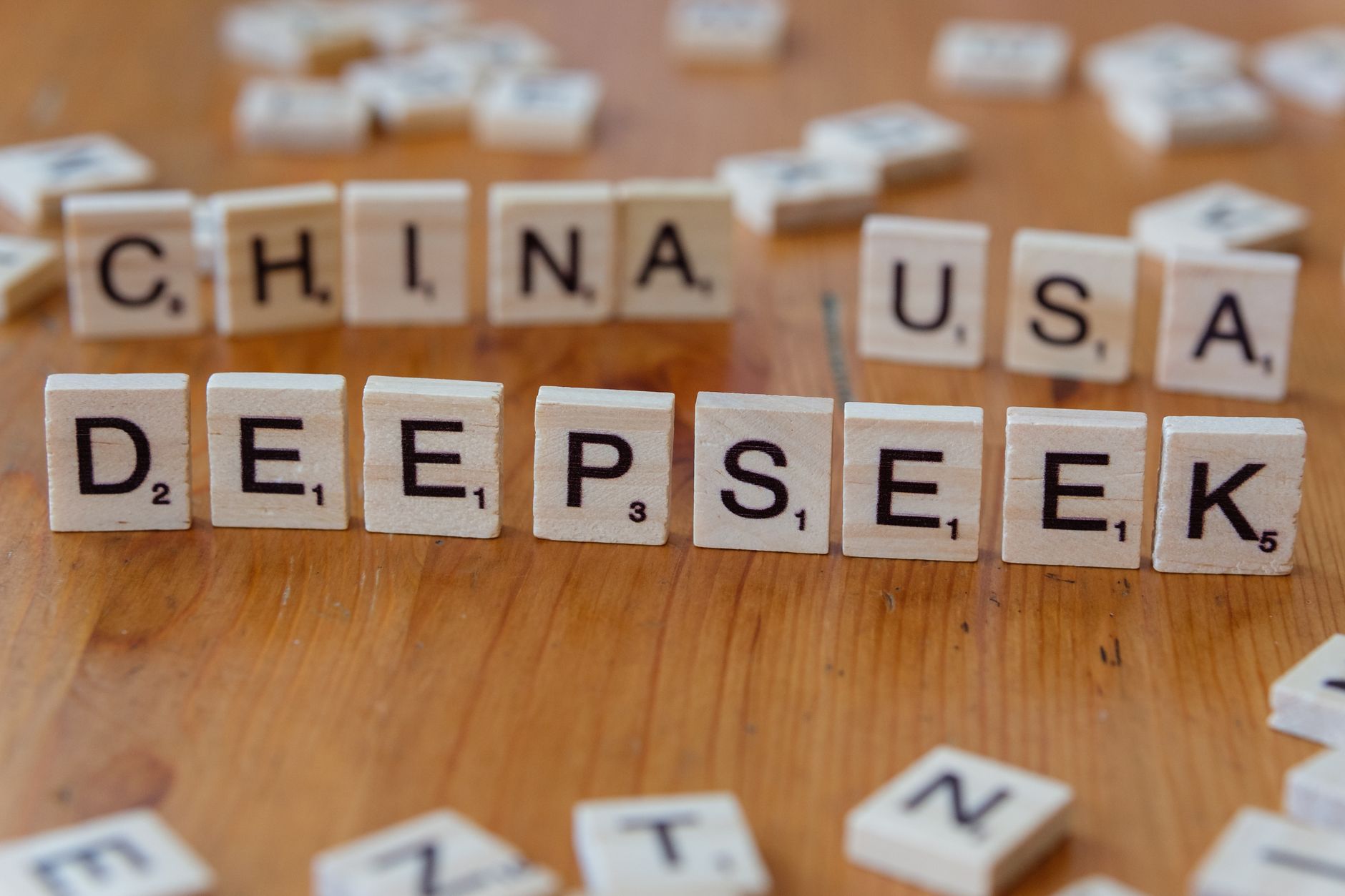
In a bold move to bolster its technological sovereignty, China has recently expanded its trade secret regulations to encompass data and artificial intelligence (AI). This shift comes as part of a broader strategy to mitigate the risks of technology leaks and safeguard proprietary information in an increasingly competitive global landscape, particularly in relation to the United States. As the dynamics of international trade and technology continue to evolve, understanding the implications of these new regulations is crucial for businesses and policymakers alike.
Key Takeaways
- China has expanded its trade secret rules to include data, algorithms, and AI technologies.
- The changes aim to prevent technology leaks and protect sensitive information amid US-China competition.
- This regulatory shift could impact foreign companies operating in China and their data handling practices.
- The move signals China's commitment to maintaining its technological edge and national security interests.
- Firms must adapt to new compliance requirements to safeguard their trade secrets in this evolving landscape.
Overview of the New Regulations
China's new trade secret regulations, announced in June 2026, represent a significant update to the existing framework governing the protection of proprietary information. Previously, the focus of these regulations centered primarily on traditional trade secrets such as manufacturing processes and formulas. With the introduction of data and algorithms into this legal framework, the Chinese government acknowledges the growing importance of digital assets in driving innovation and maintaining competitive advantage.
The updated regulations highlight various forms that trade secrets can take, explicitly including data sets, software algorithms, and AI models used in business operations. This expansion aims to create a more robust legal environment for protecting these critical assets from unauthorized access or disclosure. As global competition intensifies, particularly in technology sectors, these regulations position China to not only safeguard its domestic innovations but also to impose stricter controls over foreign entities that may seek to exploit its technological advancements.
Why This Matters
The implications of China's expanded trade secret rules extend far beyond its borders, affecting multinational corporations, startups, and even governments. For foreign companies operating in China, these regulations necessitate a reevaluation of how they handle data and intellectual property. Firms must be vigilant about compliance to avoid potential legal repercussions, which may include hefty fines or restrictions on their operations.
Furthermore, the regulatory shift reflects a growing trend of nationalism in technology policy. As countries pursue their strategic interests in technology, the concept of trade secrets now includes a broader range of digital assets, which could lead to heightened scrutiny of cross-border data flows and increased barriers to entry for foreign firms. This scenario raises critical questions about the future of international business operations in an environment where proprietary information is increasingly treated as a matter of national security.
Background and Context
Historically, trade secret protections have been a fundamental aspect of business law, safeguarding companies' proprietary information from theft or unauthorized use. In China, the legal framework for protecting trade secrets has evolved over the years, with the most recent update signifying a pivotal moment in the intersection of technology and law. As industries around the world increasingly rely on data-driven decision-making and AI technologies, the need to protect these assets has become paramount.
China's move to include data and algorithms in its trade secret rules can be seen as a response to both domestic and international pressures. Domestically, the rapid development of its tech sector has spurred the need for robust protections against intellectual property theft. Internationally, ongoing tensions with the US, particularly regarding technology transfer and cybersecurity issues, have highlighted the vulnerabilities associated with open data practices. By tightening regulations around trade secrets, China aims to fortify its position in the global technology hierarchy.
Expert Analysis
Analysts predict that the expansion of trade secret protections in China will have profound effects on the global tech landscape. As companies increasingly rely on data as a competitive asset, the new regulations could serve as a double-edged sword. On one hand, they provide a clearer legal framework for protecting innovations; on the other, they could lead to more stringent compliance requirements that stifle innovation and collaboration.
The legal definition of trade secrets now includes a wide array of digital assets, prompting businesses to reassess their data management strategies. Compliance will likely require investments in legal expertise and technology solutions that ensure sensitive information is adequately protected. Furthermore, the implications of these regulations extend to the broader geopolitical landscape, where nations vie for technological supremacy.
Ultimately, the expansion of trade secret laws in China underscores the importance of data sovereignty and the need for countries to establish frameworks that support innovation while safeguarding national interests. As the global tech ecosystem continues to evolve, companies must navigate these complex regulations to remain competitive and protect their intellectual property from potential risks.
What This Means for Businesses and Developers
For businesses operating in China or collaborating with Chinese firms, the revised trade secret regulations necessitate a proactive approach to compliance. Companies must implement robust data governance frameworks that ensure they are not only protecting their own trade secrets but also respecting the regulations that govern their partners and clients. This may involve regular audits of data handling practices, employee training on intellectual property rights, and the establishment of clear protocols for accessing and sharing sensitive information.
Developers and tech firms must also be cognizant of how these regulations can impact their product development cycles. With algorithms and data now deemed trade secrets, developers need to ensure that their software solutions adhere to the legal definitions of protection. This might mean incorporating features that enhance data security, transparency in data usage, and clear documentation of data sources and algorithms.
As the global landscape shifts, businesses that can demonstrate compliance with these new regulations may find themselves at a competitive advantage. Organizations that effectively manage their trade secrets will not only protect their innovations but also build trust with customers and partners in a world where data privacy and security are paramount.
Frequently Asked Questions
What are trade secrets under the new regulations?
Under the new Chinese regulations, trade secrets now include not only traditional proprietary information but also data sets, algorithms, and AI models. This expansion reflects the crucial role that these digital assets play in business operations and innovation.
How will these regulations affect foreign companies in China?
Foreign companies operating in China will need to reevaluate their data handling practices to ensure compliance with the new trade secret regulations. Failure to adhere to these laws could result in legal penalties or operational restrictions.
What are the potential penalties for non-compliance?
Penalties for non-compliance with the trade secret regulations can include significant fines, legal action, and restrictions on business operations. Companies must take proactive measures to safeguard their trade secrets to avoid these consequences.
How can companies ensure compliance with the new regulations?
Companies can ensure compliance by implementing robust data governance strategies, conducting regular audits of data practices, providing employee training on intellectual property rights, and establishing clear protocols for accessing and sharing sensitive information.
The Road Ahead
Looking forward, the expanded trade secret regulations in China signal a shift towards a more guarded approach to technology and innovation. As nations increasingly prioritize protecting their technological advancements, businesses must adapt to a landscape where compliance with local laws is not just a legal obligation but also a strategic imperative. This evolution will likely inspire other countries to reevaluate their own trade secret protections, potentially leading to a more fragmented global regulatory environment.
In this context, companies must remain agile and responsive to regulatory changes, fostering a culture of compliance and innovation that aligns with the evolving landscape. As the competition between the US and China intensifies, the ability to navigate these complexities will be crucial for businesses seeking to thrive in the global marketplace.