China's Historic Approval of Invasive Brain-Computer Chip: Next Steps
In a groundbreaking development, China has become the first country to approve an invasive brain-computer chip, a significant leap into the future of neurological integration and rehabilitation. This approval raises profound questions about the future of human-machine interaction and the ethical implications surrounding such technology.
Key Takeaways
- The invasive brain-computer chip, which has been approved in China, marks a pivotal moment in neurotechnology.
- It aims to assist individuals with severe motor disabilities, offering new hope for rehabilitation.
- Experts emphasize the importance of regulatory frameworks to manage the ethical implications of such technology.
- The chip's development involves a collaboration of neuroscience, engineering, and artificial intelligence.
- This innovation may lead to significant advancements in neuroprosthetics and brain-machine interfaces.
What Happened?
Last October, Dong Hui, a 39-year-old man from Henan province in China, attempted to write using a pen for the first time since a tragic car accident left him paralyzed six years prior. With the help of a new invasive brain-computer chip, Dong's determination and the groundbreaking technology allowed him to reconnect with a fundamental human ability—communication through writing. This moment not only signifies a personal victory for Dong but also represents a milestone in the field of neurotechnology.
The invasive brain-computer chip, designed to interface directly with the brain's neurons, was officially approved by Chinese regulatory authorities. This chip has the capability to decode neural signals and translate them into actionable commands, thereby enabling paralyzed individuals to regain control over their motor functions. Such technology could revolutionize rehabilitation processes, offering a new lease on life for those who have lost significant physical abilities.
As the world watches this development, questions arise regarding the implications of invasive brain-computer interfaces (BCIs) and their role in transforming the way humans interact with machines. The chip integrates advanced computational algorithms and neural engineering, showcasing a confluence of disciplines aimed at overcoming the limitations faced by people with severe motor impairments.
Why This Matters
The approval of this pioneering technology underscores China's commitment to leading the world in advanced neuroscience and neuroengineering. The invasive brain-computer chip could set a precedent for similar innovations globally, potentially inspiring other nations to invest in comparable technologies. By being at the forefront of this field, China not only aims to improve the quality of life for individuals with disabilities but also positions itself as a leader in the burgeoning neurotechnology industry.
Moreover, this development raises critical ethical considerations surrounding the use of invasive technologies. As BCIs become more sophisticated, the boundaries of privacy, consent, and the potential for misuse will need to be carefully navigated. It is essential for regulatory bodies to create comprehensive frameworks that address these concerns while promoting innovation.
Background and Context
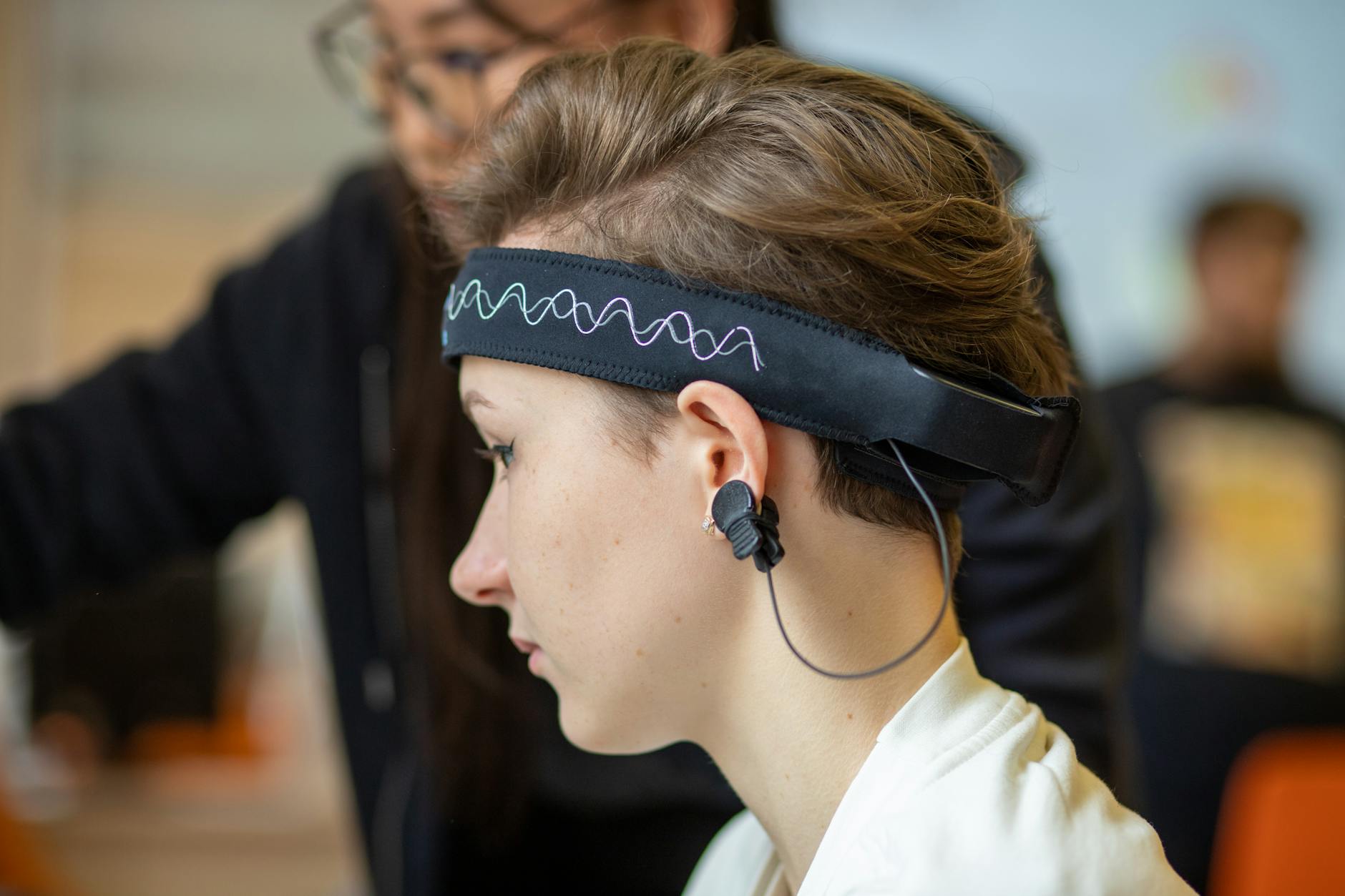
The concept of brain-computer interfaces is not new; research has been ongoing for decades. Initial explorations focused on non-invasive methods, such as electroencephalography (EEG), which detected electrical activity on the scalp. However, the limitations of non-invasive approaches became apparent when dealing with complex tasks or severe disabilities that require more direct neural interfacing.
Invasive BCIs, like the chip approved in China, involve surgically implanting devices into the brain, allowing for a more precise reading of neural signals. This approach has the potential to overcome the limitations of non-invasive methods, enabling more refined control of external devices, such as prosthetics or even computers. The development of these technologies has been propelled by advancements in materials science, neuroscience, and machine learning, culminating in a moment where clinical applications are becoming a reality.
Expert Analysis
Experts in the field view the approval of the invasive brain-computer chip as a watershed moment in the integration of neuroscience and technology. The ability to decode and interpret neural signals with high fidelity opens up numerous possibilities, not just for rehabilitation but also for enhancing cognitive functions and communication abilities. However, the complexity of the human brain also introduces significant challenges in ensuring safety, efficacy, and ethical use.
One of the crucial aspects of this technology is the method of signal processing. Advanced machine learning algorithms are employed to interpret the vast amount of data generated by neural activity. This requires not only sophisticated software but also a deep understanding of the underlying neuroscience. Experts emphasize that the development of these algorithms must be accompanied by rigorous testing and validation to ensure that they can operate effectively in real-world scenarios.
Furthermore, the collaboration between engineers, neuroscientists, and ethicists will be vital in shaping the future of BCIs. As the technology evolves, interdisciplinary partnerships will be essential in addressing the ethical implications and potential societal impacts. Ensuring that the technology is accessible and equitable will be a key challenge moving forward, as disparities in access to such advanced treatments could exacerbate existing inequities in healthcare.
What This Means for Rehabilitation and Healthcare
The implications of the invasive brain-computer chip on rehabilitation and healthcare are profound. For individuals like Dong Hui and others with severe motor impairments, the ability to regain control over their bodies through neural interfaces could significantly enhance their quality of life. This technology may allow for a more personalized rehabilitation experience, as BCIs can adapt to the specific needs and responses of the user.
Healthcare providers will need to prepare for the integration of such technologies into treatment protocols. Training healthcare professionals to understand and manage these systems will be crucial. Moreover, the potential for BCIs to be used in tandem with other therapies, such as physical or occupational therapy, could lead to more comprehensive treatment approaches that address both the physical and neurological aspects of recovery.
Frequently Asked Questions
What are the risks associated with invasive brain-computer chips?
Invasive brain-computer chips carry risks similar to other surgical procedures, including infection, bleeding, and complications related to anesthesia. Additionally, the long-term effects of having a device implanted in the brain are still being studied.
How does the brain-computer chip work?
The chip interfaces directly with neurons in the brain, decoding electrical signals and translating them into commands for external devices. This allows users to control devices such as computers or prosthetics using their thoughts.
What are the potential applications of this technology beyond rehabilitation?
Beyond rehabilitation, invasive BCIs could have applications in enhancing cognitive functions, communication, and even entertainment. They may enable direct brain-to-brain communication in the future, opening new avenues for interpersonal connection.
Are there ethical concerns surrounding brain-computer interfaces?
Yes, ethical concerns include issues of privacy, consent, and the potential for misuse of the technology. As BCIs become more integrated into our lives, it will be crucial to establish ethical guidelines and regulatory frameworks to protect users.
The Road Ahead
As the world observes China's pioneering efforts in invasive brain-computer technology, it is essential to engage in thoughtful discussions about the potential consequences of such advancements. While the benefits for individuals with disabilities are immense, the ethical implications must not be overlooked. Establishing a regulatory framework that prioritizes user safety and ethical considerations will be paramount.
The future of brain-computer interfaces holds tremendous promise, with the potential to reshape how we interact with technology and each other. As research progresses and more countries begin to explore similar technologies, collaboration among nations, industries, and ethical bodies will be critical in ensuring that these advancements are used responsibly and equitably.