China’s Brain Implant Ambitions: A Revolutionary Leap in Neurotechnology
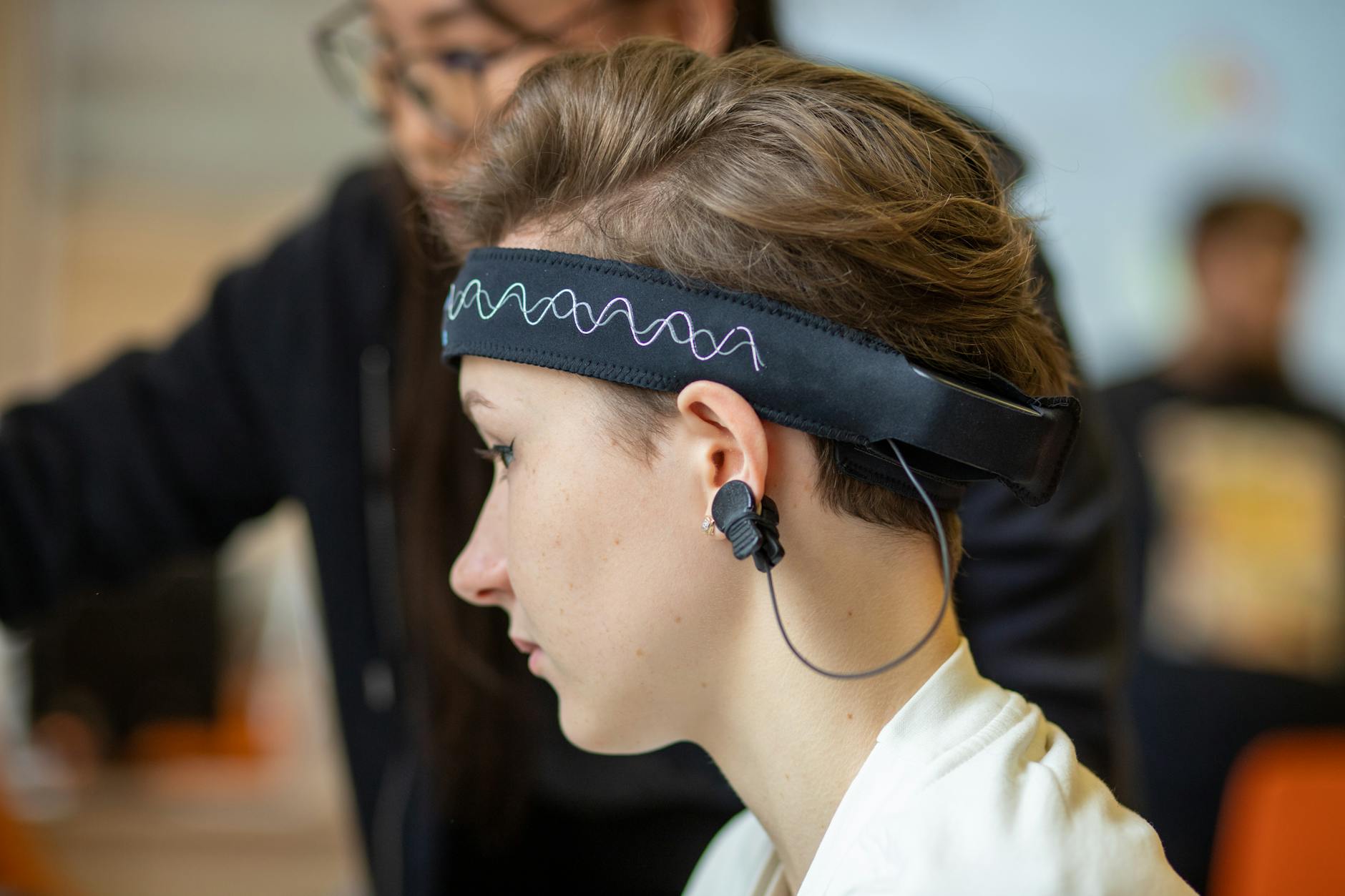
In a groundbreaking move, China has taken a monumental step in the realm of neurotechnology by approving the world's first invasive brain-computer interface (BCI) chip. This innovation is not merely a technological achievement; it signals a potential shift in how humans interact with machines, augmenting cognitive processes and enhancing our understanding of the brain. The implications of such a leap extend far beyond the confines of laboratories and hospitals, reaching into the very fabric of society, ethics, and governance.
Key Takeaways
- China has approved the world's first invasive brain-computer chip, marking a significant milestone in neurotechnology.
- This development opens new possibilities for brain augmentation and treatment of neurological disorders.
- Global competition in AI and neurotechnology is intensifying, with China positioning itself as a leader.
- Ethical and regulatory frameworks are urgently needed to address the implications of invasive BCIs.
- The future of human-machine interaction may fundamentally change, with profound societal impacts.
China’s Revolutionary Approval of a Brain-Computer Chip
In October of the previous year, Dong Hui, a resident of Henan province, initiated a personal exploration into the capabilities of invasive brain-computer interfaces (BCIs). His endeavor culminated in the approval of a pioneering BCI chip by Chinese authorities, a decision that stirred excitement and concern in equal measure. This chip is designed to establish a direct communication pathway between the human brain and external devices, facilitating real-time data exchange.
The chip's development was spearheaded by a team of Chinese neuroscientists and engineers who have been working tirelessly to create a device that could not only help in managing neurological disorders but also enhance cognitive abilities. This approval represents a convergence of neuroscience, advanced materials science, and artificial intelligence (AI), underscoring China's ambition to lead in a field that promises to redefine the boundaries of human capability.
As the implications of such technology unfold, it is essential to understand the potential applications and the ethical considerations that accompany such profound advancements. The chip is expected to aid in treating conditions like epilepsy, depression, and even paralysis, offering new hope to millions suffering from these afflictions.
Why This Matters
The approval of China’s invasive BCI chip is more than a technological milestone; it signifies the beginning of a new era in human-computer interaction. The potential for augmenting human cognition and treating formerly unmanageable neurological conditions highlights the transformative power of this technology.
Moreover, this development places China at the forefront of neurotechnology. While countries like the United States and members of the European Union have been exploring non-invasive BCIs, China's foray into invasive technology indicates a shift in competitive dynamics. As nations vie for technological supremacy, the race for advancements in AI and neurotechnology is intensifying. China’s leadership in this space could reshape global tech landscapes, impacting everything from healthcare to defense.
Furthermore, invasive BCIs raise significant ethical questions. The potential for cognitive enhancement and the manipulation of thoughts and memories provoke concerns about privacy, consent, and the very definition of what it means to be human. Addressing these ethical dilemmas is crucial as the technology advances.
Background and Context
The concept of brain-computer interfaces has been around for decades, initially gaining traction in the early 2000s with advancements in neuroimaging and signal processing. Researchers have been exploring ways to translate brain signals into actionable commands, paving the way for non-invasive devices that could help people with severe disabilities regain control over their environment.
Historically, invasive BCIs have been met with skepticism due to concerns about safety, efficacy, and ethical implications. Previous studies involved implanting electrodes in the brains of primates and humans, demonstrating the potential for communication with computers. However, the risks associated with brain surgery, along with the complexities of neural integration, posed significant barriers to widespread adoption.
As technology has advanced, so too have perceptions around the viability of invasive BCIs. The development of biocompatible materials and sophisticated algorithms has led to renewed interest in this domain, culminating in China’s recent approval of a brain-computer chip.
Expert Analysis
From a technical perspective, the approval of China’s invasive BCI chip represents a significant leap forward not only in neuroscience but also in the application of artificial intelligence. The integration of AI with BCIs could lead to unprecedented advancements in both therapeutic applications and cognitive enhancements. The chip is designed to decode brain signals, translating them into commands that can control external devices, thereby creating a seamless interface between human cognition and technology.
This development also highlights a critical intersection between neuroscience and AI. As machine learning algorithms become more sophisticated, they can analyze vast quantities of neural data, uncovering patterns that were previously hidden. This synergy could lead to breakthroughs in understanding neurological disorders, enhancing treatment options, and even advancing our grasp of human cognition.
However, the rapid advancement of such technology also necessitates a thorough understanding of the implications. The potential for cognitive enhancement raises profound questions about inequality and access. If BCIs become tools for cognitive enhancement, will they be available to all, or will they exacerbate existing disparities? Furthermore, the possibility of manipulating thoughts or memories could lead to ethical quandaries that society is not yet prepared to address.
What This Means for Neurotechnology Users and Developers
For users, the approval of an invasive BCI chip opens new avenues for treatment and cognitive enhancement. Patients suffering from neurological disorders may find renewed hope in the potential of this technology, which could significantly improve their quality of life. For developers and researchers, this represents an exciting opportunity to explore the full capabilities of BCIs, pushing the boundaries of what is possible.
Moreover, as the global competition in neurotechnology heats up, developers must prioritize ethical considerations in their designs. Transparent communication about the risks and benefits of such technologies will be essential to gain public trust. Additionally, regulatory frameworks will need to evolve to ensure safe and equitable access to these advancements.
Frequently Asked Questions
What is a brain-computer interface (BCI)?
A brain-computer interface (BCI) is a technology that enables direct communication between the brain and external devices, allowing for control of devices through thought.
What are the potential applications of invasive BCIs?
Invasive BCIs can be used for various applications, including the treatment of neurological disorders, cognitive enhancement, and rehabilitation for individuals with disabilities.
Are there ethical concerns surrounding invasive BCIs?
Yes, invasive BCIs raise significant ethical concerns, including issues related to consent, privacy, and the potential for cognitive manipulation.
How does China’s approval of a BCI chip impact global competition in neurotechnology?
China's approval positions the country as a leader in neurotechnology, intensifying global competition and prompting other nations to accelerate their own BCI research and development efforts.
The Road Ahead
As we look toward the future, the implications of China’s invasive BCI chip approval extend far beyond technological advancements. The intersection of AI and neurotechnology holds promise, but it also demands careful consideration of ethical and regulatory frameworks. Policymakers, scientists, and society must engage in meaningful dialogue to address the challenges presented by this new frontier.
Ultimately, the development of brain-computer interfaces may redefine our relationship with technology. As we embrace these advancements, it is imperative to ensure that they contribute positively to humanity, promoting equity and accessibility while safeguarding individual rights. The journey into the realm of invasive BCIs is just beginning, and how we navigate this landscape will shape the future of human potential.