BMW's Humanoid Robots: Revolutionizing the Future of Car Manufacturing
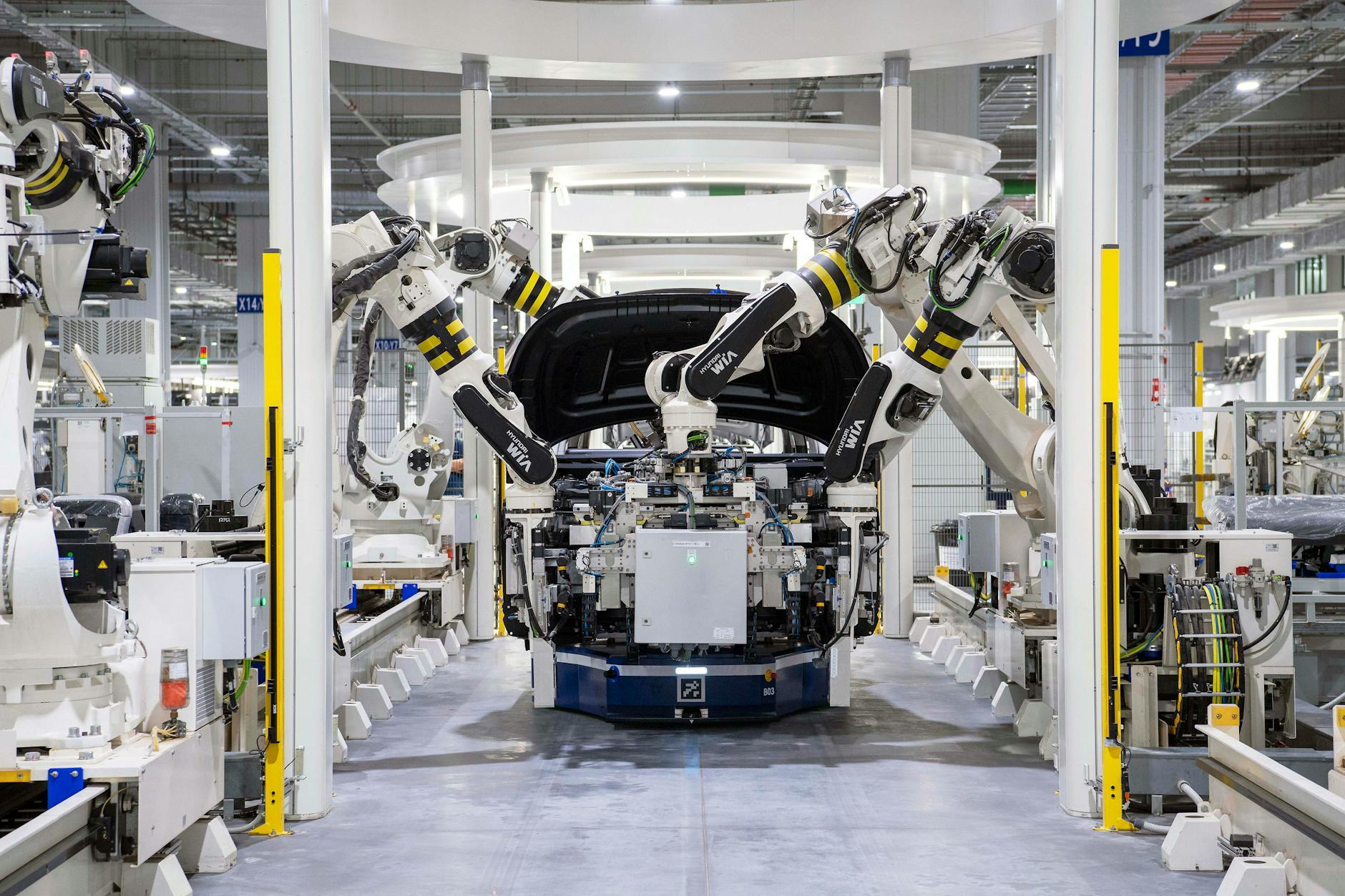
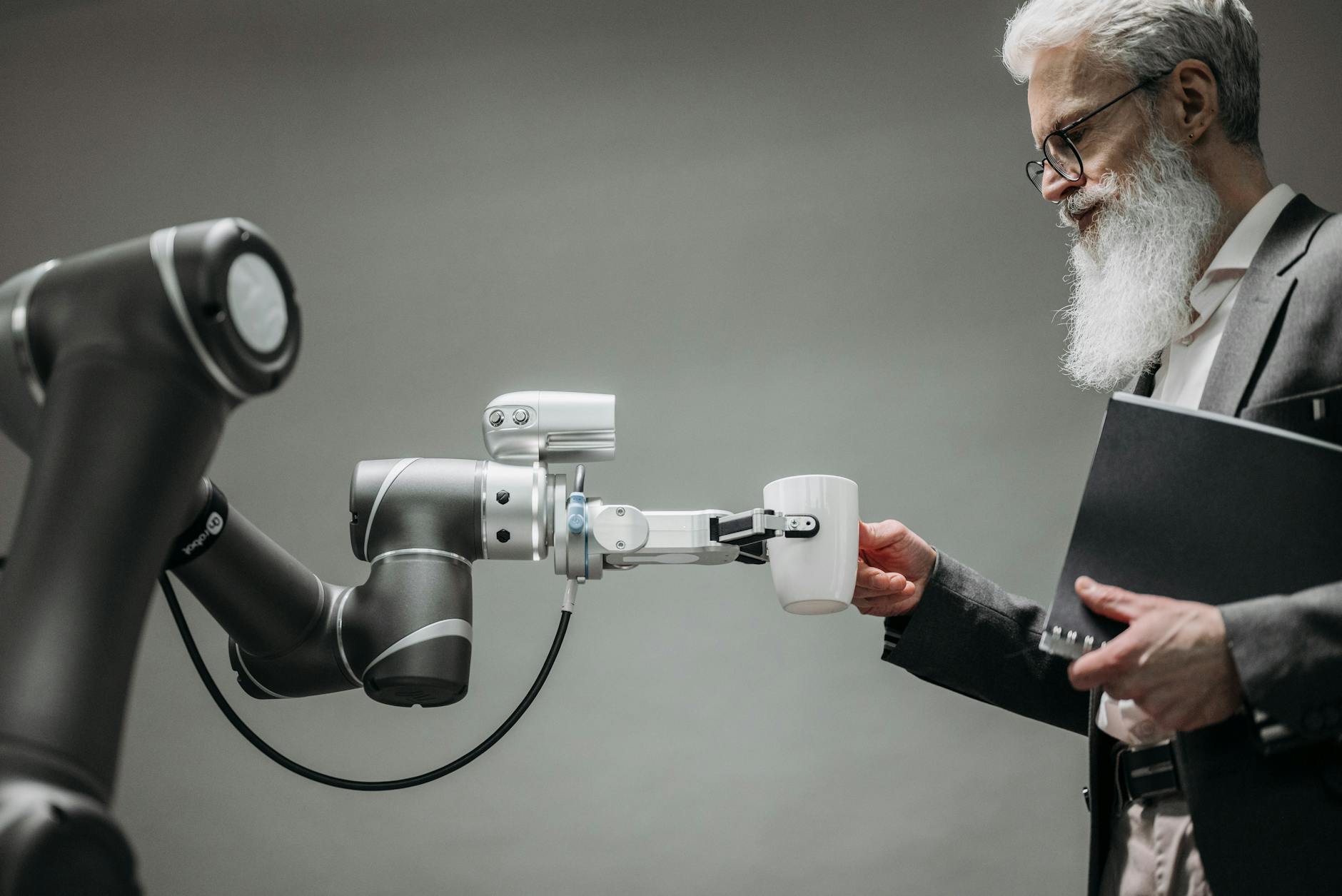
As the automotive industry embraces cutting-edge technology, BMW is taking a bold step forward with the introduction of humanoid robots in its manufacturing plants. This innovative move is not just about streamlining production; it's a glimpse into the future of car making where human and robot collaboration redefines efficiency and safety on the assembly line.
Key Takeaways
- BMW plans to deploy humanoid robots in its European car manufacturing plants, building on existing implementations in the US.
- The use of humanoid robots aims to enhance productivity and improve workplace safety.
- BMW's initiative could set a precedent for other manufacturers looking to integrate advanced robotics into their operations.
- Collaboration between humans and robots may redefine job roles in manufacturing, creating a need for new skills.
- This strategic move reflects broader trends in automation and AI within the automotive sector.
BMW's Bold Move into Humanoid Robotics
In a significant leap towards the future of manufacturing, BMW has announced plans to integrate humanoid robots into its production facilities in Europe. This development follows similar initiatives in the US, where the company has already begun experimenting with these advanced machines to streamline operations. The humanoid robots are designed to take on various tasks traditionally performed by human workers, potentially increasing efficiency and reducing the likelihood of workplace injuries.
The decision to introduce humanoid robots reflects a growing trend in the automotive industry, where manufacturers are increasingly looking to automation to enhance productivity. By employing robots that can mimic human movements and interactions, BMW aims to not only improve the speed of production but also maintain the high standards of quality for which the brand is known.
BMW's foray into humanoid robotics is particularly noteworthy in a time when the industry faces challenges related to labor shortages and rising production costs. By harnessing the capabilities of robots that can work alongside human employees, BMW is positioning itself to address these challenges head-on.
Why This Matters
The integration of humanoid robots into BMW's manufacturing processes is more than just a technological upgrade; it represents a paradigm shift in the automotive industry. As manufacturers grapple with increasing demands for efficiency and sustainability, the ability to leverage advanced robotics could provide a competitive edge. Furthermore, this move comes at a crucial moment when many industries are experiencing labor shortages, making automation not just advantageous but necessary.
Moreover, the introduction of humanoid robots could have far-reaching implications for workplace safety. By taking over repetitive and physically demanding tasks, robots can minimize the risk of injuries associated with manual labor. This aspect is particularly significant in the automotive sector, where assembly line work can lead to chronic health issues for workers.
Another critical factor is the potential impact on the workforce. While there are concerns about job displacement due to automation, the reality may be more nuanced. As robots take on more tasks, human workers may shift to roles that require higher-level skills, such as oversight, maintenance, and programming of robotic systems. This shift could lead to a demand for new skill sets and training programs, which will be essential for the workforce to adapt to an increasingly automated environment.
Background and Context
The automotive industry has been at the forefront of adopting automation technologies for decades. The introduction of robotics in manufacturing began with simple machines that performed repetitive tasks, but advancements in AI and machine learning have paved the way for more sophisticated robots capable of complex interactions. The evolution from traditional robotics to humanoid robots marks a significant milestone in this journey.
Historically, automotive giants like Toyota and Ford have led the charge in robotics, employing industrial robots for tasks such as welding and painting. However, the shift towards humanoid robots signifies a new era where the focus is on collaboration rather than replacement. By designing robots that can work in close proximity to humans, manufacturers like BMW are exploring a future where machines augment human capabilities rather than replace them.
Expert Analysis
From a technical perspective, the introduction of humanoid robots in car manufacturing presents both opportunities and challenges. The primary advantage lies in the robots' ability to perform tasks with precision and consistency, qualities that are essential in maintaining the high standards of automotive production. Moreover, humanoid robots can be programmed to adapt to various tasks, making them versatile assets on the assembly line.
However, the successful integration of these robots requires careful planning and consideration. Manufacturers must address challenges related to interoperability between human workers and robots, ensuring that workflows are designed to maximize efficiency. Additionally, there are concerns about the cost of implementation. Developing and deploying humanoid robots involves significant investment, and manufacturers must weigh these costs against the potential benefits.
Furthermore, as the workforce begins to evolve, the emphasis will need to shift towards reskilling and upskilling workers. Training programs that equip employees with the necessary skills to work alongside robots will be crucial. This transition will require collaboration between companies, educational institutions, and governments to create pathways for workers to adapt to new roles in an increasingly automated environment.
What This Means for the Automotive Industry
The implications of BMW's humanoid robot initiative extend far beyond the company's production lines. For the automotive industry as a whole, this move signals a shift towards greater automation and smarter manufacturing practices. As more companies adopt similar technologies, the industry will see changes in production efficiency, cost management, and workforce dynamics.
For manufacturers, the ability to implement humanoid robots could lead to significant cost savings in the long run. With robots performing tasks that would typically require multiple workers, companies can streamline their operations and reduce overhead expenses. This efficiency can also enable manufacturers to respond more quickly to market demands, allowing for greater flexibility in production.
For consumers, the impact may manifest in the form of enhanced vehicle quality and innovation. As production processes become more efficient, manufacturers can allocate resources toward research and development, leading to advancements in technology and design. This evolution may ultimately result in vehicles that are not only safer but also more environmentally friendly, aligning with the industry's growing emphasis on sustainability.
Frequently Asked Questions
What tasks will humanoid robots perform in car manufacturing?
Humanoid robots are designed to take on a variety of tasks on the assembly line, including assembly, quality control, and even assisting human workers with repetitive tasks that may pose safety risks.
How will the introduction of humanoid robots affect jobs in the automotive industry?
While there are concerns about job displacement, the introduction of humanoid robots may create new roles that require higher skill levels, such as overseeing robotic operations and maintenance. Workers may need to be reskilled to adapt to these new roles.
Are humanoid robots safe to work alongside humans?
Yes, humanoid robots are designed with safety features that allow them to operate in close proximity to human workers. They can be programmed to recognize and respond to human movements, reducing the risk of accidents.
What impact will this have on vehicle quality?
The integration of humanoid robots is expected to enhance vehicle quality by improving precision and consistency in the manufacturing process, ultimately leading to fewer defects and higher-quality vehicles.
The Road Ahead
As BMW embarks on this journey of integrating humanoid robots into its manufacturing processes, the implications for the automotive industry are profound. This initiative not only highlights the potential for increased efficiency and safety but also emphasizes the need for a skilled workforce ready to thrive in an automated environment. The road ahead will require collaboration among stakeholders, including manufacturers, workers, and educational institutions, to ensure a smooth transition into this new era of manufacturing.
Looking forward, the potential for humanoid robots in the automotive sector is vast. As technology continues to evolve, manufacturers will likely explore even more advanced applications for robotics, from autonomous assembly lines to fully automated production facilities. The challenge will be to balance these advancements with the need for human oversight and creativity, ensuring that the future of car manufacturing is not just automated, but also innovative and inclusive.