Ethics of Autonomous AI-Powered Killer Drones: A Deep Dive
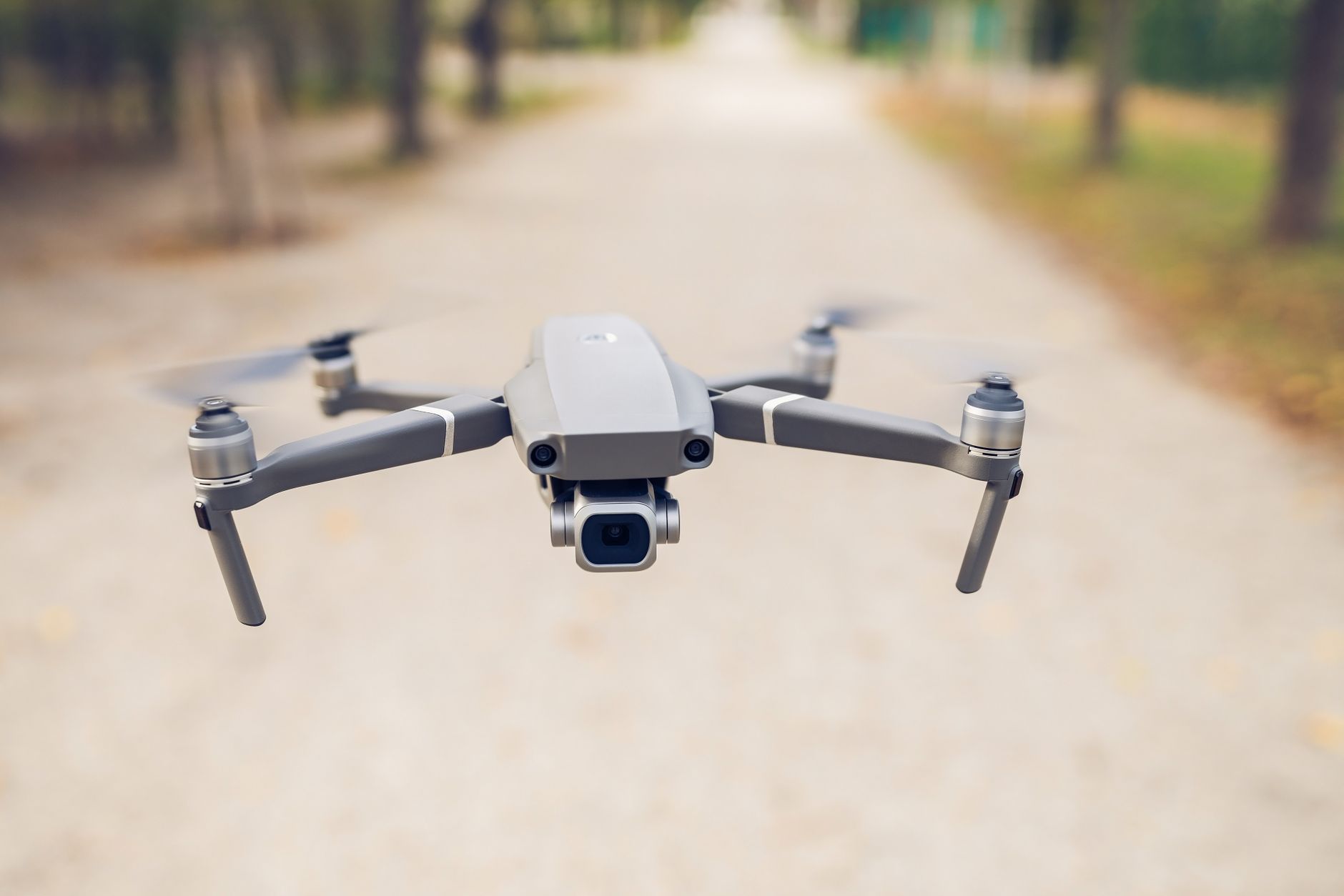
The advent of autonomous AI-powered drones is reshaping the landscape of modern warfare, posing complex ethical dilemmas that demand urgent attention. As nations gear up to integrate these technologies into their military arsenals, a pressing question emerges: Can machines equipped with artificial intelligence navigate the murky waters of morality when tasked with life-and-death decisions? This article delves into the implications of deploying autonomous drones in combat, examining the ethical, legal, and social ramifications.
Key Takeaways
- The integration of autonomous drones in warfare raises profound ethical questions about accountability and morality.
- Current international laws struggle to keep pace with the rapid development of AI technology in military applications.
- Stakeholders argue over whether AI can or should possess decision-making capabilities regarding lethal force.
- Potential benefits of using drones include increased efficiency and reduced risk to human soldiers, but these come with significant moral costs.
- The debate over autonomous drones reflects broader societal concerns about the role of AI in high-stakes environments.
Understanding the Development of Autonomous Drones
The evolution of drone technology has been remarkable, transitioning from remote-controlled aerial vehicles used for surveillance to sophisticated systems capable of independent decision-making. Modern military drones, such as the MQ-9 Reaper, already possess semi-autonomous features, allowing them to perform complex tasks without direct human intervention. This shift towards full autonomy is being accelerated by advancements in artificial intelligence, particularly machine learning and computer vision.
Governments and defense contractors are increasingly recognizing that drones will play a pivotal role in future conflicts. The development of killer drones—those equipped with lethal payloads—has sparked intense debate about their ethical implications. As the capabilities of these systems expand, the question of moral judgment becomes critical: Should AI systems be entrusted with the authority to decide who lives and dies?
Why This Matters
The implications of integrating autonomous drones into military operations extend far beyond the battlefield. As nations invest in these technologies, the ethical ramifications will shape public perception of warfare and defense. The potential for misuse or malfunction raises significant concerns about accountability. In scenarios where an autonomous drone makes a fatal mistake, who is responsible? The manufacturer, the military, or the AI itself?
Furthermore, the use of killer drones could lead to an escalation of conflicts. With reduced risks to human soldiers, governments may be more inclined to engage in military actions, thereby lowering the threshold for war. This reality poses profound risks not only to combatants but also to civilians who may find themselves in the crossfire.
Background and Context
The concept of autonomous weapons is not entirely new; discussions surrounding the moral and ethical considerations date back to the early days of robotics. However, the rapid advancement in AI technologies has propelled these discussions to the forefront in recent years. The United Nations has raised alarms regarding “lethal autonomous weapons systems” (LAWS), urging member states to consider a preemptive ban on their development until a comprehensive ethical framework is established.
Legal frameworks governing warfare, such as the Geneva Conventions, were designed with traditional combat in mind and struggle to address the complexities introduced by AI. The lack of clear regulations leaves a significant gap in accountability and oversight for the deployment of autonomous drones, presenting a unique challenge for lawmakers and military leaders alike.
Expert Analysis
As autonomous drones become more prevalent, it is essential to analyze their implications through various lenses, including ethics, technology, and international law. Ethical considerations revolve around the ability of AI to make moral judgments. Machines lack human emotions and moral reasoning, which raises concerns about their capability to assess the nuances of complex situations.
Furthermore, the reliance on algorithms raises questions of bias. AI systems learn from datasets, and if these datasets are flawed or biased, the resulting decisions can lead to unintended consequences. For instance, if a drone’s targeting system is trained on data that disproportionately includes certain demographics, it could increase the likelihood of wrongful targeting, thereby exacerbating existing inequalities.
From a technological standpoint, the integration of AI into military drones presents both opportunities and risks. On one hand, autonomous drones can enhance mission efficiency, enabling rapid response times and operational flexibility. On the other hand, the lack of human oversight can lead to catastrophic outcomes, especially in high-stakes environments where split-second decisions are critical.
What This Means for Defense and Policy Makers
The deployment of autonomous AI-powered drones presents practical challenges for defense and policymakers. As nations navigate the complexities of these technologies, they must consider the ethical, legal, and operational implications. Developing robust regulations that govern the use of autonomous weapons is paramount to ensuring accountability and protecting human rights.
Moreover, military training programs must evolve to incorporate ethical training for personnel who will be operating and overseeing these drones. It is crucial that military leaders understand the limitations and risks associated with AI technologies, ensuring that human judgment remains central in decision-making processes, particularly in combat scenarios.
Frequently Asked Questions
What are autonomous AI-powered killer drones?
Autonomous AI-powered killer drones are unmanned aerial vehicles equipped with artificial intelligence that allows them to perform tasks, including targeting and engaging in combat, without direct human intervention.
What ethical concerns are associated with the use of these drones?
Ethical concerns include the potential for wrongful targeting, lack of accountability in case of mistakes, and the implications of machines making life-and-death decisions without human oversight.
How do current international laws address autonomous weapons?
Current international laws, such as the Geneva Conventions, do not adequately address the complexities of autonomous weapons, leading to a significant gap in accountability and oversight.
What steps can be taken to mitigate the risks associated with autonomous drones?
To mitigate risks, nations must develop robust regulations governing their use, incorporate ethical training in military programs, and ensure human oversight remains central to decision-making processes.
The Road Ahead
As we stand on the brink of a new era in warfare shaped by autonomous AI technologies, the call for a comprehensive ethical framework has never been more urgent. Governments, technologists, ethicists, and civil society must collaborate to establish guidelines that prioritize human rights and accountability, ensuring that technology serves humanity rather than undermines it.
Looking forward, the focus must be on developing transparent AI systems that can be audited and held accountable for their decisions. Engaging in international dialogue about the implications of autonomous weapons will be crucial in shaping a future where technology and morality coexist harmoniously on the battlefield.