Australia's Copyright Laws: A Tug-of-War Between AI and Artists
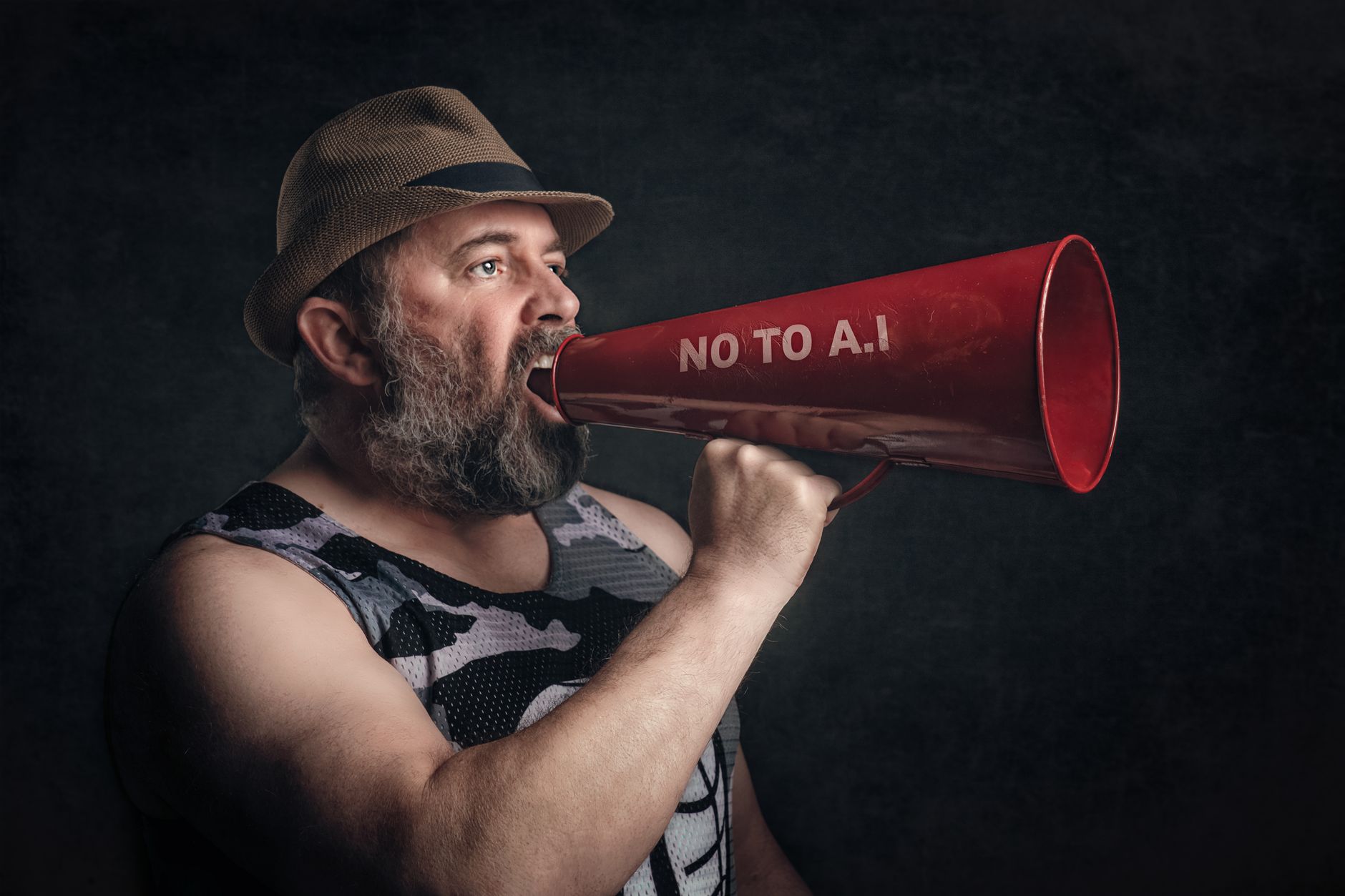
The landscape of copyright laws in Australia is about to be challenged in a significant way. With AI companies pushing for reforms that could dilute existing protections, artists are raising their voices in protest. As Prime Minister Anthony Albanese prepares to address this pivotal issue, a conflict looms between fostering technological advancement and safeguarding the rights of creators.
Key Takeaways
- The Australian government is deliberating potential changes to copyright laws to accommodate AI technologies.
- Artists and creatives express concern that these changes may undermine their rights and livelihoods.
- Labor Party factions are divided on how to balance attracting technological investment with protecting creative rights.
- Prime Minister Anthony Albanese's upcoming speech is expected to outline the government's stance on AI and copyright.
- This issue reflects broader global tensions between innovation and intellectual property rights.
What Happened
In recent weeks, the Australian government has found itself in the middle of a contentious debate regarding copyright laws, particularly in the context of artificial intelligence. AI companies are advocating for changes that would allow them greater freedom in utilizing creative works without strict adherence to existing copyright protections. This push comes as part of a broader strategy to bolster investment in data centers and technology infrastructure in Australia.
During a press conference at Parliament House, Anna Funder, a prominent author and advocate for artists' rights, expressed deep concerns about the implications of these proposed changes. She emphasized that copyright laws are vital for artists, serving as a means to protect their intellectual property and ensuring they receive fair compensation for their work.
The situation is exacerbated by internal divisions within the Labor Party. While some members see the potential for economic growth through attracting AI investments, others prioritize the need to defend the rights of creatives. This schism could leave the government vulnerable to criticism from both sides as they attempt to navigate this complex landscape.
Why This Matters
The potential changes to copyright laws in Australia highlight a critical intersection between technology and the arts. As AI continues to evolve and become more integrated into various creative fields, the question arises: how do we protect the rights of creators while fostering innovation? The outcome of this debate will have significant ramifications not only for artists in Australia but for the global conversation surrounding intellectual property in the age of AI.
Furthermore, the resolution of this issue will likely set a precedent for other countries grappling with similar challenges. As nations worldwide explore how to regulate AI technologies, Australia's decisions will be closely monitored as a potential model—or warning—for others. Balancing economic growth with robust protections for artists may prove to be a delicate task, but it is one that is essential to ensure a fair and sustainable creative economy.
Background and Context
The conversation surrounding copyright laws and AI is not new, but it has gained urgency in recent years as AI technologies have become more sophisticated. Historically, copyright laws were designed to protect creators in a predominantly analog world. However, the rise of digital technology and AI has introduced complexities that existing laws may not adequately address.
In Australia, copyright laws have traditionally provided strong protections for artists, ensuring that they retain rights over their creative works. This framework has been critical in supporting the local creative industries. Yet, the increasing capabilities of AI to generate original content raises questions about the applicability of these laws. Should AI-generated works fall under the same protections as human-created content? This question lies at the heart of the current debate and underscores the need for a reevaluation of existing legal frameworks.
Expert Analysis
The proposals to amend copyright laws in Australia reflect a broader trend observed globally—where the rise of AI technologies is prompting countries to reconsider their intellectual property laws. Advocates for AI argue that more lenient copyright regulations can spur innovation and economic growth, facilitating the development of new technologies and services.
However, this perspective often overlooks the foundational role that copyright plays in cultivating a vibrant creative ecosystem. Creators rely on copyright protections to secure their livelihoods, enabling them to invest time and resources into their work. Diluting these protections could significantly impact their ability to earn a living, ultimately stifling creativity and innovation.
Moreover, an analysis of similar situations abroad reveals potential pitfalls. In the United States, discussions around copyright and AI have led to significant legal challenges and ongoing debates about ownership and attribution. As Australia considers its path forward, it would be prudent to learn from these international experiences and seek a balanced approach that promotes innovation without sacrificing the rights of creators.
What This Means for Artists, Developers, and Users
The potential changes to copyright laws in Australia have profound implications for various stakeholders. For artists and creatives, the outcome of this debate will determine the extent of their rights in an increasingly AI-driven landscape. If protections are weakened, artists may find themselves unable to control how their work is used, risking financial instability and loss of creative ownership.
Developers and tech companies, on the other hand, may find themselves in a position of greater freedom to utilize creative content for training AI models and developing new technologies. While this could lead to rapid advancements in the field, it also raises ethical questions regarding attribution and ownership. A balance must be struck that allows for technological progress while ensuring that creators are recognized and compensated for their contributions.
For users of AI technologies, the implications are nuanced. A more permissive copyright environment might lead to a proliferation of innovative tools and applications. However, if artists' rights are compromised, the quality of creative outputs could diminish, as creators may no longer be incentivized to produce high-quality work. The need for a fair and equitable framework is essential for sustaining a healthy creative economy that benefits all parties involved.
Frequently Asked Questions
What are the proposed changes to copyright laws in Australia?
The proposed changes aim to relax existing copyright protections to facilitate the use of creative works by AI companies, potentially allowing for broader use of content without strict adherence to current laws.
Why are artists concerned about these changes?
Artists are concerned that weakening copyright protections could undermine their rights, leading to loss of control over their work and reduced compensation for their creative efforts.
How might these changes impact the development of AI technologies?
Changes to copyright laws could provide AI developers with more freedom to use existing creative content, potentially accelerating innovation. However, it may also raise ethical concerns regarding ownership and attribution.
What is the Labor Party's stance on this issue?
The Labor Party is divided, with some members advocating for attracting investment from AI companies, while others prioritize protecting the rights of artists and creatives. This internal conflict may shape the government's approach to the proposed changes.
The Road Ahead
As Prime Minister Anthony Albanese prepares to deliver his speech on AI, all eyes will be on how the government chooses to navigate this delicate issue. The outcomes of these discussions will not only influence Australia’s copyright laws but could also set a precedent for how countries worldwide address similar challenges. The key will be finding a balance that supports technological advancement while safeguarding the rights of creators.
Ultimately, the ongoing dialogue between AI companies and artists is emblematic of a larger, global conversation about the future of creativity in the digital age. As AI continues to evolve, stakeholders must work collaboratively to create a framework that respects both innovation and artistic integrity. The road ahead may be complex, but it is crucial for ensuring a vibrant and sustainable creative economy.