Apple's Major Overhaul of Siri and AI Features in iOS 27
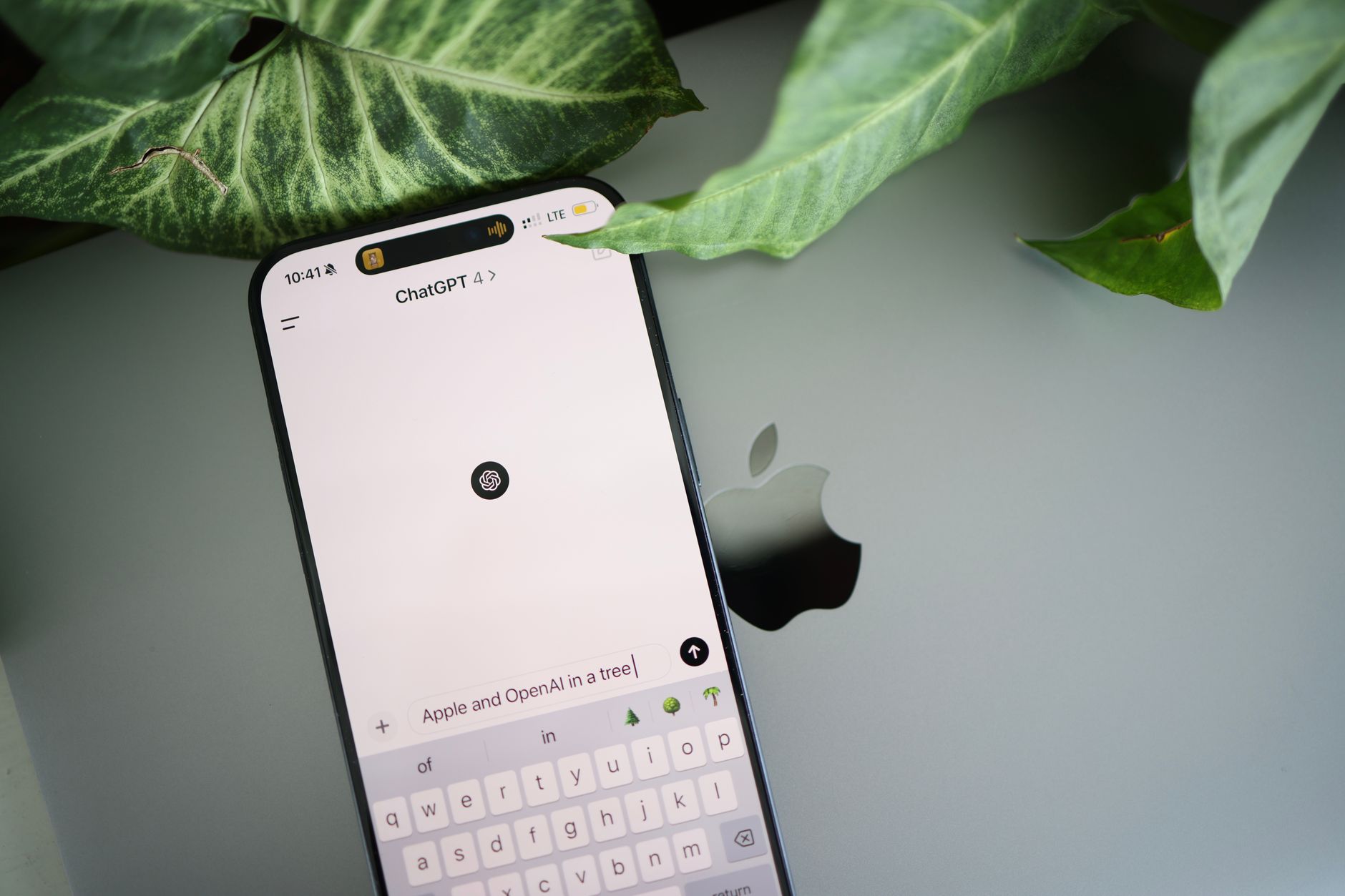
Apple has long been a front-runner in the tech industry, often setting benchmarks rather than merely following trends. As it gears up for the release of iOS 27, significant enhancements to Siri are on the horizon, marking a pivotal shift towards more advanced AI capabilities. This transformation not only holds implications for Apple users but also for the broader landscape of voice-activated assistants.
Key Takeaways
- Apple's iOS 27 will introduce a major redesign of Siri, incorporating advanced AI features.
- The update aims to enhance user experience by making Siri more intuitive and responsive.
- These changes could redefine how users interact with their devices, pushing Siri closer to the capabilities of its competitors.
- Apple's investment in AI technology reflects a growing necessity to keep pace with advancements in the digital assistant market.
- The overhaul may have lasting effects on the overall AI ecosystem, influencing developers and manufacturers across the industry.
The Upcoming Redesign of Siri
The anticipated redesign of Siri in iOS 27 is expected to introduce significant upgrades that could fundamentally change the way users interact with their devices. As highlighted by Mark Gurman in his report for Bloomberg Technology, Apple appears to be focusing on making Siri not only more powerful but also more aligned with the expectations of a modern AI assistant. This could include enhanced natural language processing capabilities, improved contextual understanding, and more personalized responses.
One of the standout features expected in the redesign is Siri's ability to learn from user interactions over time. By leveraging machine learning algorithms, Siri could analyze user behavior and preferences to provide tailored suggestions and actions, making it a more integral part of the user’s daily digital experience.
The integration of AI features also suggests that Apple is looking to compete more aggressively with the likes of Google Assistant and Amazon Alexa, both of which have made significant strides in AI capabilities. The need for Apple to enhance Siri stems not only from competition but also from consumer expectations for smarter, more responsive technology.
Why This Matters
The implications of Apple's Siri overhaul extend far beyond mere software updates. As Siri evolves with AI capabilities, it signifies a broader shift in how consumers expect to interact with technology. Digital assistants have become an integral part of users' lives, with capabilities ranging from simple tasks like setting reminders to more complex interactions such as managing smart home devices.
For Apple, successfully enhancing Siri could lead to increased user retention and satisfaction, particularly as the digital assistant becomes more capable of handling a variety of tasks with greater efficiency. Additionally, with Apple's ecosystem becoming more interconnected, a smarter Siri could facilitate smoother interactions across devices, from iPhones to HomePods.
Moreover, this redesign could affect the entire tech landscape. As Apple raises the bar for AI capabilities in digital assistants, competitors will need to respond, potentially leading to a wave of innovations across the industry. The impact on third-party developers who create applications for Siri could also be significant, as they may need to adapt their offerings in response to the enhanced capabilities of Apple's assistant.
Background and Context
The evolution of Siri has been a journey marked by ups and downs since its launch in 2011. Initially, it garnered attention for its voice recognition capabilities and integration with Apple's ecosystem. However, over the years, Siri fell behind its competitors in terms of responsiveness and functionality. Google Assistant and Amazon Alexa quickly became leaders in the space, equipped with more advanced AI capabilities and broader integration with third-party services.
In recent years, Apple has made attempts to close the gap, investing heavily in artificial intelligence and machine learning technologies. The introduction of features like on-device processing for Siri interactions has been a step in the right direction, aiming to improve speed and privacy. With the upcoming iOS 27, Apple seems poised to take a more aggressive approach, overhauling Siri to ensure it remains relevant in a competitive landscape.
Expert Analysis
The anticipated enhancements to Siri in iOS 27 reflect a critical juncture not just for Apple, but for the entire voice assistant market. By focusing on AI features, Apple acknowledges the necessity of adapting to user expectations for increasingly intelligent and responsive technology. This move is indicative of a larger trend in the industry where companies are racing to develop AI that not only understands commands but can also engage in meaningful conversations.
From a technical standpoint, integrating advanced AI features into Siri could involve leveraging neural networks and natural language understanding (NLU) algorithms. This would enable Siri to comprehend context better, recognize nuances in human speech, and respond in a way that feels more natural. Furthermore, Apple's emphasis on user privacy will likely shape the design of these AI features, balancing functionality with the need to protect user data.
The potential for Siri to learn from user interactions opens up exciting possibilities for personalization. Users may find that Siri can anticipate their needs based on past behaviors, leading to a more seamless experience. However, this also raises questions about the ethical implications of data usage and user consent, issues that Apple will need to navigate carefully as it implements these changes.
What This Means for Users and Developers
The redesign of Siri presents both opportunities and challenges for users and developers alike. For users, enhanced AI capabilities mean a more robust and helpful digital assistant, capable of managing a wider range of tasks with greater efficiency. This could lead to increased satisfaction as Siri becomes an indispensable tool for daily life.
On the developer front, the integration of advanced AI features into Siri could inspire a new wave of application development tailored to these capabilities. Developers may need to rethink how their apps interact with Siri, creating more dynamic and engaging experiences that leverage the assistant’s enhanced functionality. This could lead to innovative uses of Siri in various industries, from healthcare to education, as developers explore new ways to integrate voice technology into their products.
Frequently Asked Questions
What specific AI features will Siri include in iOS 27?
While the specific features have not been fully detailed, enhancements are expected to focus on natural language processing, contextual understanding, and personalized interactions based on user behavior.
How will the redesign affect current Siri users?
The redesign aims to improve the overall user experience, making Siri more intuitive and responsive, which should enhance daily interactions for current users.
Will third-party apps need to change to accommodate Siri's updates?
Yes, developers may need to update their applications to leverage the new capabilities Siri will offer, potentially creating new integration opportunities.
What is the broader impact of Apple's Siri overhaul on the voice assistant market?
The overhaul could prompt competitors to innovate further, leading to advancements across the voice assistant sector and influencing how digital assistants evolve overall.
The Road Ahead
As Apple prepares to release iOS 27 with a redesigned Siri, the implications of this overhaul extend beyond the immediate enhancements. The integration of advanced AI features signals a commitment to keeping pace with technological advancements and user expectations. This move not only highlights Apple's recognition of the competitive landscape but also sets the stage for a more intelligent and responsive digital assistant that can better serve its users.
Looking ahead, the evolution of Siri could influence how other tech companies approach the development of their digital assistants. As Apple raises the bar, we may witness a renewed focus on AI capabilities across the industry. The outcome of this redesign could very well determine not just Siri's place in the market but also the future of voice interaction technology as a whole.