Rising Demand for Anti-Drone Systems: Insights from Terma's CEO
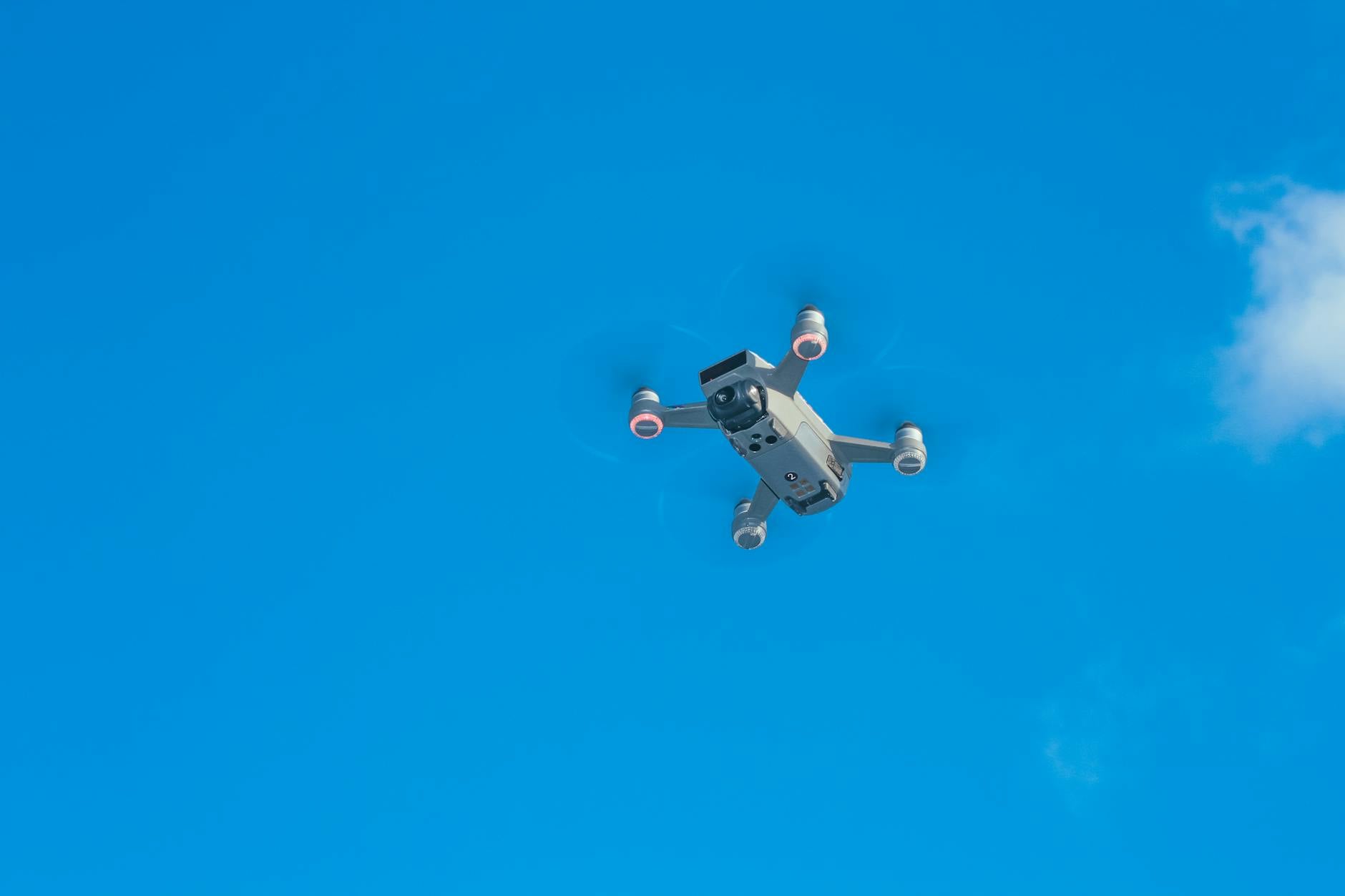
The drone technology landscape is shifting dramatically, and so too are the buyers who seek to protect against potential threats posed by these unmanned aerial vehicles (UAVs). Terma A/S, a prominent player in the defense sector, has noted a significant uptick in inquiries for anti-drone systems, showcasing a broadening of its client base. The implications of this shift are profound, not only for Terma but for the entire defense and security industry.
Key Takeaways
- Terma A/S is experiencing increased demand for anti-drone systems beyond traditional clients.
- New customers include embassies and museums, signaling a shift in the perceived threat landscape.
- Counter-drone technology is becoming essential for protection against diverse UAV applications.
- As drone usage expands, so does the need for effective countermeasures in various sectors.
- This growth reflects a broader trend in defense spending and security prioritization worldwide.
The Surge in Demand for Anti-Drone Systems
Over the past decade, Terma has primarily focused on providing protection for critical infrastructure such as airports, ports, and power facilities, particularly in the Middle East. The company has established itself as a leader in the development of anti-drone technology, recognizing early on the potential threats posed by drones. Today, however, the landscape has evolved. Demand is no longer just coming from large-scale infrastructure; it's expanding to embassies, museums, and other previously unconsidered venues.
This shift highlights a growing awareness of the potential risks associated with drones, which can be used for various nefarious purposes ranging from surveillance to smuggling and even terrorism. Terma's CEO has pointed out that the surge in inquiries reflects a broader trend of organizations seeking to mitigate risks associated with UAVs. The implications of this demand surge are significant as it signals a change in how institutions perceive security threats.
Additionally, as drones become more accessible and affordable, the potential for misuse has increased. This democratization of drone technology has led to a realization that no institution is immune from potential drone threats, prompting a wider range of buyers to seek protective measures.
Why This Matters
The implications of this surge in demand for anti-drone systems extend beyond just Terma A/S; they indicate a larger trend within the security and defense industries. As organizations identify and respond to increased threats from UAVs, there is likely to be a corresponding growth in the anti-drone market. This could lead to new partnerships, innovations in technology, and a reallocation of resources within defense budgets.
Furthermore, the diversification of buyers—from government entities to private institutions—suggests a shift in the market dynamics for defense contractors. This trend may encourage companies to adapt their offerings, focusing not just on large-scale military contracts but also on providing tailored solutions for smaller clients, including cultural and educational institutions.
This movement towards comprehensive security solutions indicates an imperative for governments and private sectors alike to invest in robust anti-drone systems. As security concerns become more prevalent worldwide, the market for these technologies is poised for significant growth, leading to increased competition among manufacturers and developers.
Background and Context
The inception of counter-drone technology can be traced back to the initial concerns over UAV usage in military operations. Drones have been employed for reconnaissance and targeted strikes, raising alarms about their potential misuse in civilian contexts. As reports of drones being used in unauthorized airspace increased, so did the call for protective measures.
Historically, the focus on counter-drone systems was primarily on military applications, with defense contractors like Terma leading the charge in developing solutions for armed forces. However, as civilian drone usage expanded, the need for anti-drone technology in non-military sectors became evident. This gradual shift has led to a burgeoning market that now includes a variety of clientele, each with unique security needs.
Expert Analysis
The expansion of the anti-drone market highlights several critical aspects of contemporary security challenges. First, the diversification of buyers signals a broader acknowledgment of the potential risks posed by UAVs, which were once largely regarded as benign recreational tools. The realization that drones can be weaponized or used for malicious activities has prompted organizations not traditionally associated with defense to seek protective measures.
In practical terms, this means that companies like Terma must innovate rapidly to meet the diverse needs of their new clients. For instance, museums might require mobile anti-drone solutions that can be deployed temporarily for special events, while embassies may need permanent installations capable of monitoring and defending against aerial threats. This demand for customized solutions presents both challenges and opportunities for manufacturers.
Moreover, as the market for anti-drone systems grows, technological advancements will likely accelerate. Companies will need to invest in research and development to create more effective detection and neutralization technologies. This could include improvements in radar, jamming systems, and even artificial intelligence-driven analytics to assess and respond to drone threats in real-time.
What This Means for Institutions and Organizations
For organizations, the recognition of UAV threats translates into a pressing need to assess their security protocols. The shift in demand indicates that institutions must take a proactive approach to security, investing in anti-drone measures to safeguard their properties, assets, and patrons. Museums, for instance, might need to rethink their security infrastructure to ensure that valuable exhibits are protected from drone surveillance or potential attacks.
Furthermore, the increased focus on anti-drone systems could lead to more stringent regulations governing drone usage. Governments may need to establish clearer guidelines on drone operations in urban areas, taking into consideration the growing necessity for effective countermeasures. This could drive collaboration between drone manufacturers, regulators, and security firms to develop comprehensive frameworks that prioritize safety while allowing for the beneficial use of UAV technology.
Frequently Asked Questions
What types of organizations are seeking anti-drone systems?
Organizations ranging from government entities like embassies to private institutions such as museums are increasingly looking for anti-drone systems to safeguard their properties and mitigate potential threats.
Why is there a surge in demand for anti-drone technology?
The rise in drone usage for various purposes, including surveillance and potential malicious activities, has heightened awareness of the need for protective measures across a wider range of sectors.
What advancements can we expect in anti-drone technology?
We can anticipate improvements in detection systems, jamming technologies, and AI-driven analytics to enhance responsiveness to drone threats, as the market continues to evolve and grow.
How do organizations assess their need for anti-drone systems?
Organizations should conduct thorough assessments of their security risks related to drone usage, considering factors such as location, asset sensitivity, and potential vulnerabilities to determine the necessity and scale of anti-drone measures.
The Road Ahead
As the demand for anti-drone systems continues to rise, the landscape of security measures will inevitably evolve. Organizations will need to prioritize investment in technology that not only protects against drone threats but also remains adaptable to future developments in UAV capabilities. This agility will be crucial as the technology landscape shifts, placing a premium on innovation and responsiveness.
Looking forward, collaboration between defense contractors, technology firms, and regulatory bodies will be essential in shaping a comprehensive approach to drone security. By establishing clear guidelines and promoting best practices, stakeholders can work together to ensure both the safety of public spaces and the responsible use of drone technology.