Anthropic Faces Trust Challenges in AI Development

The world of artificial intelligence (AI) is on the cusp of a transformative wave, but as companies like Anthropic strive to lead the charge in developing sophisticated AI systems, they face a formidable challenge: earning and maintaining trust. As highlighted by Bloomberg Technology, the stakes are high, not just for their bottom line but also for the broader societal implications of their technology. The dual challenge of innovation and trust is a delicate balancing act that could determine not only the company's future but also how AI is perceived globally.
Key Takeaways
- Anthropic aims to create powerful AI while facing growing trust issues with stakeholders.
- Governments and consumers are increasingly scrutinizing AI technologies due to ethical concerns.
- The success of AI companies hinges on transparency, accountability, and effective communication.
- Building trust involves addressing fears surrounding misinformation and misuse of AI.
- As AI evolves, so must the frameworks and regulations governing its use to ensure safety and responsibility.
Anthropic's Ambitious Goals and the Trust Equation
Founded in 2020 by a group of former OpenAI researchers, Anthropic has quickly positioned itself as a key player in the AI sector. The company is working on developing advanced AI systems that can perform complex tasks beyond simple automation. Its mission revolves around creating AI that aligns with human values, a goal that resonates with both technological enthusiasts and societal critics alike.
However, as Anthropic endeavors to build the world’s most powerful AI, it must navigate the turbulent waters of public trust. The ability to convince governments and customers of its reliability and ethical standing is paramount. As Parmy Olson of Bloomberg Technology notes, this trust problem is growing, not shrinking, as AI technologies become more integrated into our daily lives.
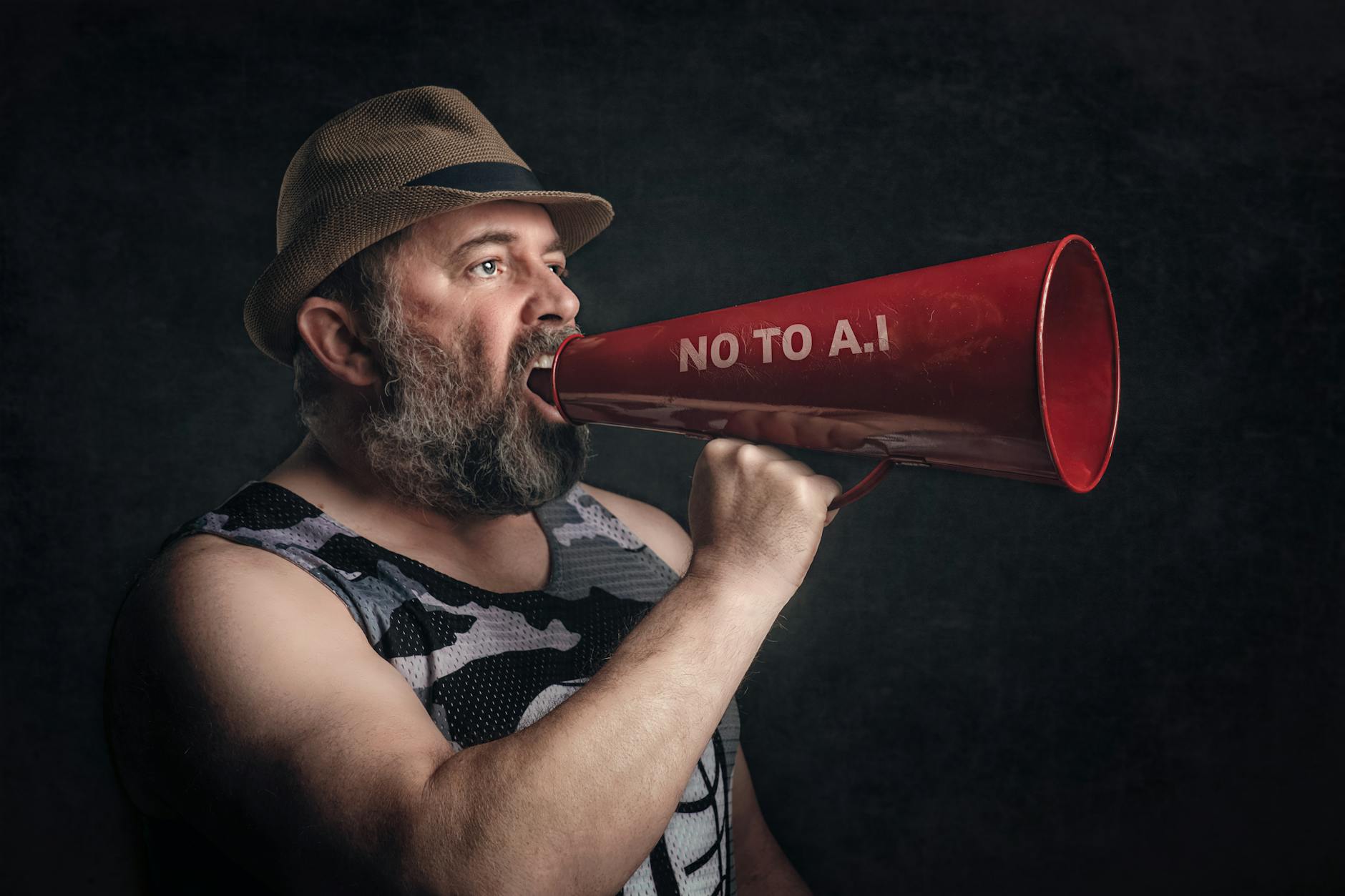
In the backdrop of rapid advancements in AI, stakeholders are voicing their concerns regarding the implications of such technologies. From autonomous driving systems to AI-generated content, potential misuse or ethical breaches loom large. The emergence of misinformation facilitated by AI tools only exacerbates these fears, highlighting the urgent need for trust in AI systems.
Why This Matters
The trust issues facing Anthropic are emblematic of broader challenges within the AI industry. As AI systems become increasingly powerful, the responsibility of ensuring their ethical deployment falls not just on developers but also on the regulatory frameworks governing them. The failure to establish a robust trust framework could lead to a backlash against AI technologies, stalling innovation and jeopardizing their potential benefits.
For Anthropic, the stakes are particularly high. The company is competing against established giants in the AI space, all vying for market share and public approval. Without a solid foundation of trust, Anthropic risks being left behind in a rapidly evolving landscape. Trust is not merely a nice-to-have; it is a critical component that can influence buying decisions, partnerships, and regulatory approval. The ongoing dialogue around AI ethics, safety, and accountability is essential for fostering an environment where innovation can thrive.
Background and Context
The evolution of AI has been marked by both extraordinary breakthroughs and significant ethical dilemmas. As AI models have grown in complexity, so too have concerns regarding their societal impact. The rise of deep learning, predictive analytics, and natural language processing has enabled unprecedented capabilities. However, with these advancements come questions about transparency, bias, and accountability.
Anthropic's formation is rooted in a desire to address these challenges head-on. Unlike traditional tech companies that may prioritize profit over principle, Anthropic aims to develop AI systems guided by ethical considerations. This mission aligns with a growing demand for responsible AI development, as stakeholders increasingly advocate for systems that prioritize user safety and societal benefit.
Expert Analysis
Building trust in AI is an intricate process that involves not only technological excellence but also proactive engagement with stakeholders. For Anthropic, this means establishing clear communication channels with governments, customers, and the public. Transparency is key; the company must openly share its methodologies, decision-making processes, and the underlying principles guiding its AI development. This openness can help dispel fears and build confidence in the capabilities and limitations of its technologies.
Furthermore, addressing the ethical implications of AI is crucial. As AI becomes more integrated into society, Anthropic must consider issues such as bias, data privacy, and the potential for job displacement. By actively engaging in discussions about these topics and incorporating diverse perspectives into its development processes, Anthropic can demonstrate its commitment to responsible AI development.
Another aspect of trust-building lies in the establishment of independent oversight. Engaging third-party auditors and ethics boards can enhance accountability, providing an external check on the company's practices. This not only strengthens public trust but also aligns with growing calls for greater regulation in the AI space. As governments look to impose stricter guidelines on AI development and deployment, having a proactive approach to oversight can position Anthropic favorably in discussions with regulators.
What This Means for Stakeholders
For governments, the growing scrutiny of AI companies like Anthropic highlights the need for comprehensive regulatory frameworks. Policymakers must create guidelines that not only foster innovation but also protect public interests. This involves crafting regulations that are both flexible enough to accommodate rapid technological advancements and stringent enough to ensure accountability.
Consumers and users, on the other hand, are becoming more discerning. As awareness of AI technologies increases, so does the demand for transparency and ethical practices. Companies that can effectively communicate their commitment to these values will likely enjoy a competitive advantage. For Anthropic, this means constantly engaging with users, soliciting feedback, and adapting its practices to align with public expectations.
Frequently Asked Questions
What specific challenges does Anthropic face in building trust?
Anthropic faces numerous challenges, including public skepticism about AI technologies, concerns about ethical implications, and the need for transparent communication with stakeholders. Additionally, the potential for misinformation and misuse of AI systems complicates the trust equation.
How can Anthropic address trust issues effectively?
To address trust issues, Anthropic can prioritize transparency by openly sharing its AI development processes, engage with diverse stakeholders to incorporate varied perspectives, and establish independent oversight mechanisms. Proactive communication about the ethical implications of its technologies can also enhance public confidence.
Why is trust so critical for AI companies?
Trust is crucial for AI companies because it influences user adoption, regulatory approval, and partnerships. Without trust, consumers may hesitate to use AI technologies, and governments may implement restrictive regulations that hinder innovation.
What role do governments play in fostering trust in AI?
Governments play a significant role in fostering trust by creating regulatory frameworks that balance innovation with public safety. By engaging with AI companies like Anthropic, policymakers can help ensure that ethical considerations are prioritized in AI development.
The Road Ahead
As Anthropic navigates its growing trust issues, the company must remain vigilant about the evolving landscape of AI technology and public perception. The future of AI is not solely defined by technical advancements; it is equally shaped by societal attitudes and regulatory frameworks. By prioritizing trust-building initiatives, Anthropic can position itself as a leader in responsible AI development, ultimately contributing to a more positive perception of AI technologies.
Looking ahead, the integration of ethical considerations into AI development is likely to become a defining characteristic of successful AI companies. As public awareness and scrutiny continue to rise, organizations that prioritize transparency, accountability, and ethical practices are more likely to thrive. For Anthropic, the path forward involves not just technological innovation but also a steadfast commitment to building trust with all stakeholders. This journey will define its legacy in the rapidly evolving world of AI.