Analyzing Anthropic's Lease with SpaceX: Short-Term or Long-Term Commitment?
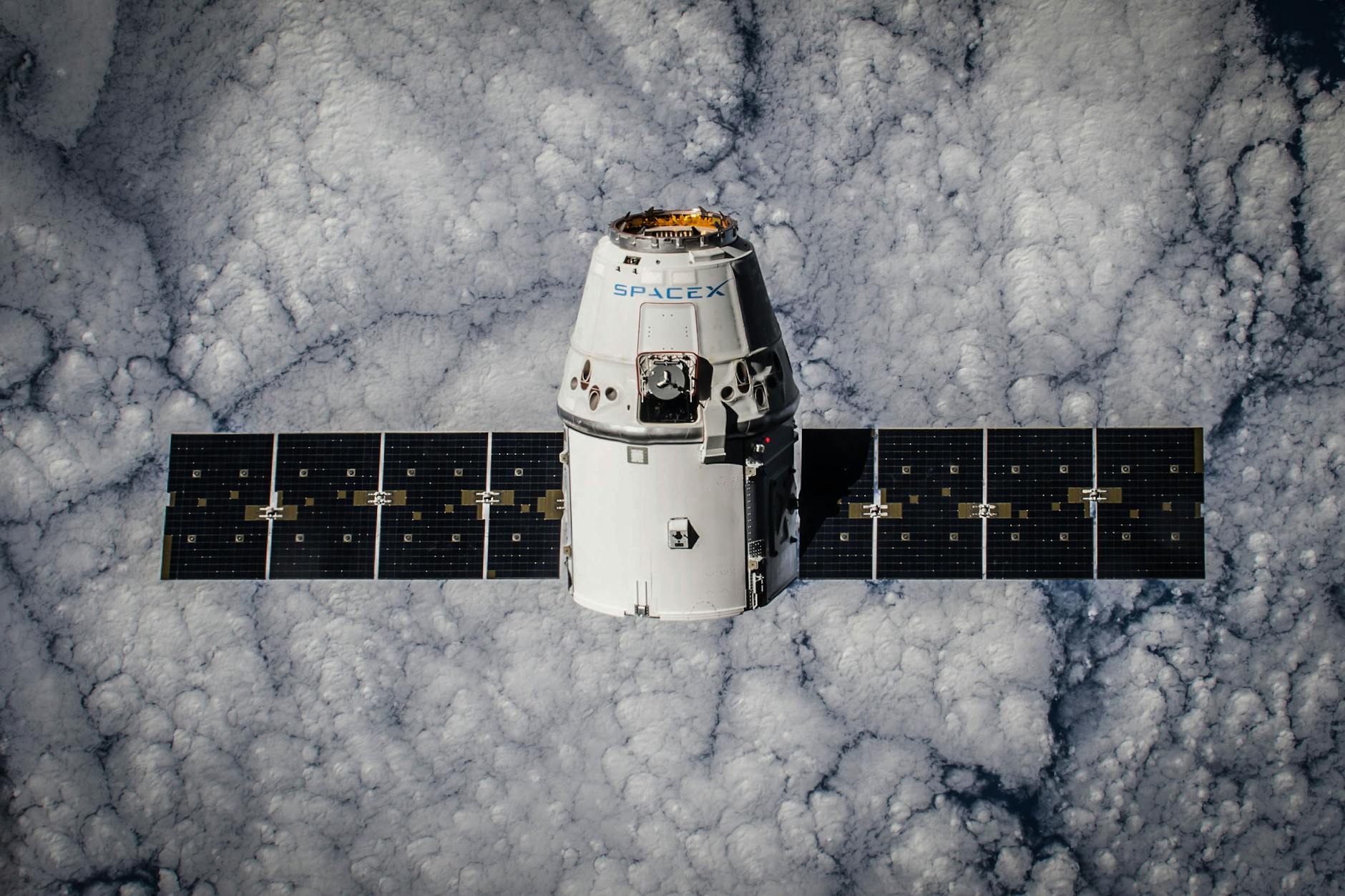
The dynamics between artificial intelligence companies and their computing partners have recently come under scrutiny, particularly in the case of Anthropic and SpaceX. While Elon Musk positions the compute deal between his companies as potentially short-lived, internal documentation hints at a much longer commitment, raising questions about the stability of these high-stakes partnerships.
Key Takeaways
- Elon Musk characterizes Anthropic's lease with SpaceX as short-term and cancellable.
- SpaceX's S-1 filing indicates payments extending through May 2029.
- This discrepancy reflects broader uncertainties in AI partnerships and resource allocation.
- The outcome could influence other AI companies' strategies in securing computing resources.
- The situation underlines the importance of clear contractual terms in tech deals.
Understanding the Lease Agreement
Anthropic, an AI research company founded by former OpenAI employees, has been making waves with its ambitious projects and innovations in the field of artificial intelligence. Recently, the company struck a significant deal with SpaceX to lease computing resources. However, the nature and duration of this lease have sparked considerable debate. Musk's public assertions that the agreement is short-term contrast sharply with details found in SpaceX’s own S-1 filing, which lays out financial commitments extending through May 2029.
This divergence raises important questions: Why is Musk downplaying the significance of this deal? And what are the implications for both companies and the wider industry? These questions are particularly pertinent given the current climate of AI development, where the demand for computational power is soaring and partnerships often dictate success.
Why This Matters
The framing of Anthropic's lease as potentially cancellable could be indicative of Musk's broader strategy to maintain flexibility in a rapidly changing technological landscape. By suggesting that the lease is not a long-term commitment, Musk might be attempting to reassure investors and stakeholders that SpaceX is adaptable and responsive to market conditions.
This maneuver has larger implications as well. In an industry where AI capabilities are increasingly tied to computational resources, the ability to pivot quickly can be a significant advantage. If Musk’s characterizations hold, it could signal a shift in how companies approach their partnerships and investment in infrastructure. This could lead to a more volatile landscape, where agreements are less about long-term stability and more about immediate adaptability.
Background and Context
SpaceX, founded in 2002, has expanded its capabilities far beyond launching rockets into space. By developing its own computational resources, it has positioned itself as a formidable player in the tech industry, particularly in the realm of AI. On the other hand, Anthropic has emerged as a key innovator in AI research, focusing on safety and alignment in artificial intelligence systems. The partnership between the two companies seemed like a match made in heaven — a cutting-edge AI firm needing robust computational power from a space tech giant.
However, the nuances of their agreement reveal a more complex relationship. While the initial excitement around the partnership suggested a long-term commitment to advancing AI technology, the recent public statements from Musk introduce an element of uncertainty. This shift in narrative could have ripple effects throughout the AI landscape, influencing how companies negotiate and structure their technology partnerships.
Expert Analysis
Diving deeper into the implications of this lease, it’s essential to consider the competitive landscape of AI and the increasing importance of having access to powerful computational resources. Companies like Anthropic are racing against established tech giants such as Google and Microsoft, which have robust cloud computing infrastructures. In this context, securing a reliable and extensive computing lease is not just a logistical matter; it’s a strategic imperative.
Musk's framing of the lease can be interpreted in several ways. On one hand, it could signal a lack of confidence in the partnership's longevity. On the other hand, it may reflect a broader trend of companies seeking flexibility over long-term commitments. In an industry that evolves at breakneck speed, the ability to adjust strategies quickly can be invaluable.
Moreover, the discrepancy between Musk's assertions and the S-1 filing could lead to investor skepticism. Transparency in business dealings is crucial, especially in a market where trust can significantly impact stock prices and company valuations. Stakeholders may begin to question the reliability of future partnerships if they perceive a lack of consistency in messaging from leadership.
What This Means for AI Developers
For AI developers and companies, the Anthropic and SpaceX situation serves as a cautionary tale. It highlights the importance of understanding the terms and implications of partnership agreements. AI companies must navigate a landscape where computational resources are key to their success, yet the terms of accessibility can be fraught with ambiguity.
As companies in this space look to secure their own partnerships for computing resources, they should prioritize clarity in contract terms. Clear agreements can minimize misunderstandings and ensure that both parties are aligned on expectations. Furthermore, developers should remain vigilant about the evolving landscape of AI partnerships, as shifts like these can influence funding, resource allocation, and overall strategic direction.
Frequently Asked Questions
What is the duration of Anthropic's lease with SpaceX?
While Elon Musk has publicly stated that the lease is short-term and cancellable, SpaceX's S-1 filing indicates financial commitments extending through May 2029, suggesting a longer-term arrangement.
Why is there a discrepancy between Musk's statements and the S-1 filing?
The discrepancy may reflect Musk's desire for flexibility in business arrangements amid a rapidly evolving tech landscape, while the S-1 filing represents a more formal commitment.
How does this situation affect other AI companies?
This situation may influence how other AI companies approach their partnerships, possibly leading to a trend of shorter, more flexible agreements as companies seek to adapt to changing market conditions.
What are the implications for investors?
Investors may view the inconsistency in messaging as a potential red flag, raising concerns about the reliability of future partnerships and the overall stability of the companies involved.
The Road Ahead
As we look to the future, the implications of the Anthropic and SpaceX lease agreement will likely reverberate throughout the AI industry. The framing of this partnership could set a precedent for how companies structure their agreements moving forward. With the demand for computational resources only expected to grow, the need for clarity and stability in partnerships will become increasingly apparent.
Ultimately, the success of AI companies will hinge not only on their innovative capabilities but also on their ability to secure reliable and comprehensive partnerships. As the landscape continues to evolve, those who can navigate these complexities will be best positioned for success in the competitive world of artificial intelligence.