Sam Altman Meets Lawmakers Amid New AI Executive Order
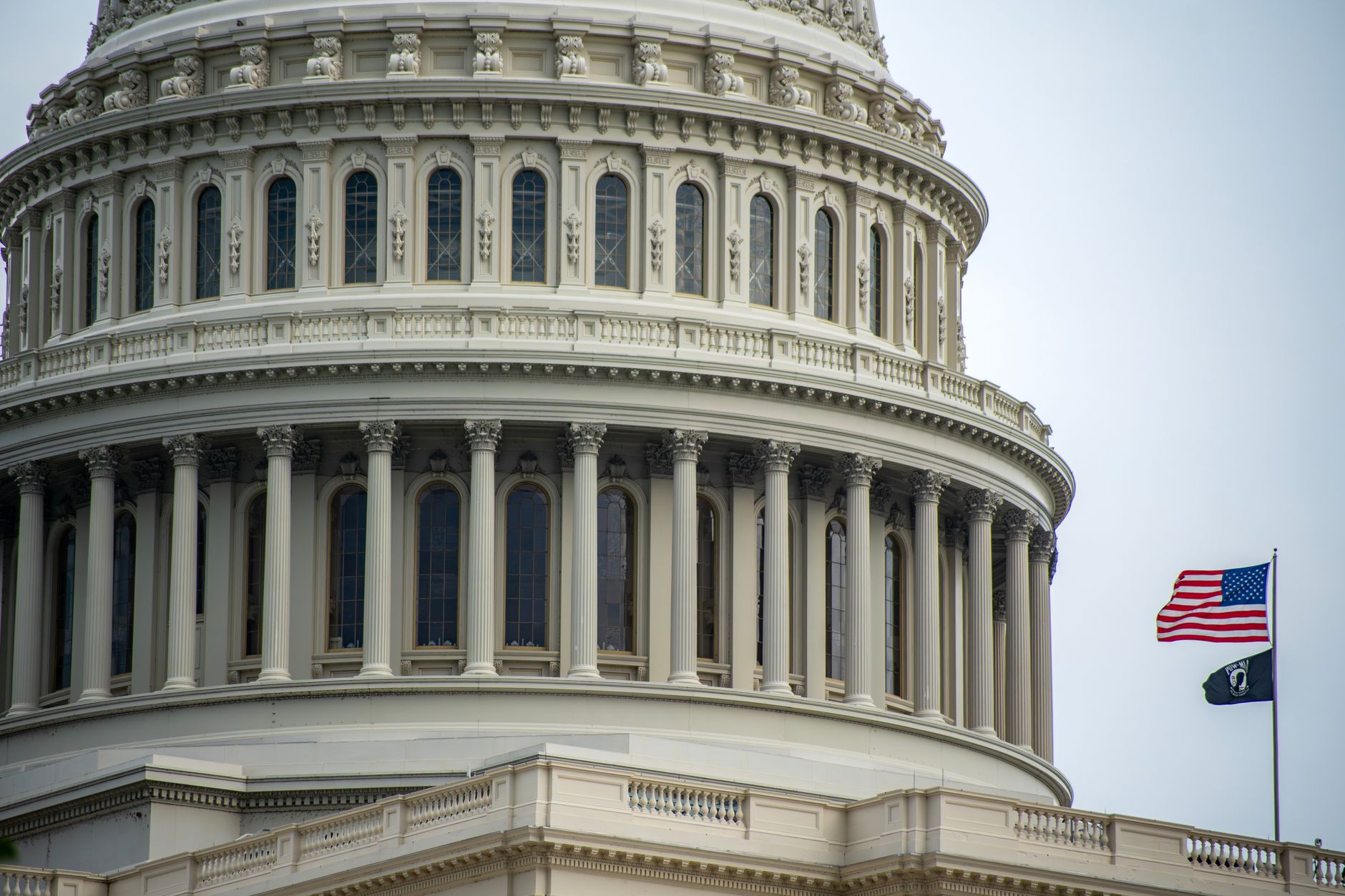
In a remarkable intersection of technology and governance, OpenAI's CEO, Sam Altman, is set to meet with lawmakers and Trump administration officials in Washington, D.C. This meeting comes in the wake of a significant executive order regarding artificial intelligence (AI) signed by former President Donald Trump. Altman's support for this order reflects a growing trend of collaboration between tech leaders and policymakers as the implications of AI continue to evolve.
Key Takeaways
- Sam Altman is meeting with lawmakers to discuss AI regulation and safety.
- The meeting follows an executive order on AI signed by former President Donald Trump.
- Altman has publicly voiced support for the executive order, emphasizing the need for regulation.
- This engagement highlights the increasing influence of tech leaders in shaping policy.
- The outcome of these discussions could set precedents for future AI governance.
What Happened
This week, former President Donald Trump took a notable step in the regulation of artificial intelligence by signing an executive order aimed at establishing guidelines for the development, deployment, and regulation of AI technologies. The specifics of the executive order are still emerging, but it indicates a clear intention to address the rapid advancements in AI and their potential implications for society, economy, and national security.
In conjunction with this executive order, Sam Altman, the CEO of OpenAI, announced that he would meet with lawmakers and officials from Trump's administration. The timing of this meeting is crucial as it presents an opportunity to discuss the intricacies of AI regulation in a legislative context. Altman, a recognized leader in the AI field, has expressed his support for the executive order, which suggests a positive alignment between OpenAI's objectives and the administration's regulatory framework. This collaboration is indicative of a broader trend where tech leaders are increasingly engaging with policymakers to navigate the complex landscape of AI.
Why This Matters
The implications of Altman's meeting with lawmakers extend far beyond the immediate context of AI regulation. As AI technology continues to permeate various sectors of the economy, from finance to healthcare, the need for thoughtful and informed governance becomes paramount. Policymakers face the dual challenge of fostering innovation while also protecting public interests.
By participating in discussions with lawmakers, Altman not only positions OpenAI as a key player in shaping AI policy but also advocates for a regulatory framework that recognizes the unique challenges posed by AI technologies. His support for Trump's executive order indicates a willingness to collaborate with the government, which could lead to more comprehensive and effective regulations that benefit both the tech industry and society at large.
Background and Context
The rapid advancement of AI technologies has outpaced the development of regulatory frameworks to manage their societal impact. Historically, the tech industry has often operated in a space where regulations lag behind innovation. This has raised concerns regarding ethical implications, safety, and the potential misuse of AI technologies.
In recent years, there have been increasing calls from both industry leaders and advocacy groups for more robust governance of AI. The challenge lies in creating regulations that are flexible enough to accommodate technological advancements while ensuring that they are effective in mitigating risks associated with AI deployment. Trump's executive order could mark a pivotal moment in this ongoing discourse, potentially setting the stage for more coordinated efforts to establish a comprehensive regulatory environment for AI.
Expert Analysis
Analyzing the implications of Altman's meeting with lawmakers reveals a multifaceted landscape of opportunities and challenges. On one hand, the engagement of tech leaders like Altman in the regulatory process can lead to more informed and practical regulations. Their expertise can help policymakers understand the technical nuances of AI and its potential risks and benefits.
On the other hand, there is a critical need to ensure that the voices of diverse stakeholders are included in these discussions. As AI technologies have far-reaching impacts on society, it is essential that regulations are not solely shaped by industry leaders but also consider the perspectives of ethicists, civil society organizations, and the public. The effectiveness of the regulatory framework will depend on its ability to balance innovation and safety while fostering public trust in AI technologies.
What This Means for Lawmakers, Developers, and Users
For lawmakers, the meeting with Altman presents a unique opportunity to gain insights that could inform future legislation. Understanding the operational realities and technical challenges of AI from a leading expert like Altman could lead to more effective policies that align with technological advancements.
Developers, on the other hand, should view this engagement as a signal that regulatory frameworks are evolving. As regulations become more defined, developers will need to ensure that their AI systems comply with new guidelines. This could lead to increased costs and adjustments in development processes, but it also presents an opportunity to build trust with users through transparency and compliance.
For users, the outcomes of these discussions could enhance the safety and effectiveness of AI systems. As regulations are implemented, users can expect higher standards of accountability and ethical considerations in AI applications, leading to a more responsible deployment of technology.
Frequently Asked Questions
What is the purpose of Trump's executive order on AI?
The executive order aims to establish guidelines for the development, deployment, and regulation of AI technologies, addressing potential risks and fostering innovation.
Why is Sam Altman's meeting with lawmakers significant?
Altman's involvement indicates a growing trend of collaboration between tech leaders and policymakers, which is crucial for shaping effective AI regulations.
How can AI regulations impact developers and users?
Regulations can lead to increased accountability and safety standards for AI systems, affecting development processes and enhancing user trust in AI technologies.
What are the potential risks associated with AI technologies?
Potential risks include ethical concerns, misuse of AI, job displacement, and security vulnerabilities, all of which necessitate careful regulation.
The Road Ahead
Looking forward, the dialogue between Sam Altman and lawmakers could pave the way for a new era of AI governance. As AI technologies continue to evolve at a rapid pace, the importance of thoughtful regulation will only increase. The establishment of a regulatory framework that balances innovation with safety could lead to a more sustainable and responsible development of AI.
Furthermore, as Altman and other tech leaders engage with policymakers, it is essential to broaden the conversation to include diverse perspectives. By fostering a collaborative environment that encompasses various stakeholders, we can create a more comprehensive and equitable approach to AI governance that benefits society as a whole.