Understanding the Rise of AI Warfare: Implications and Realities
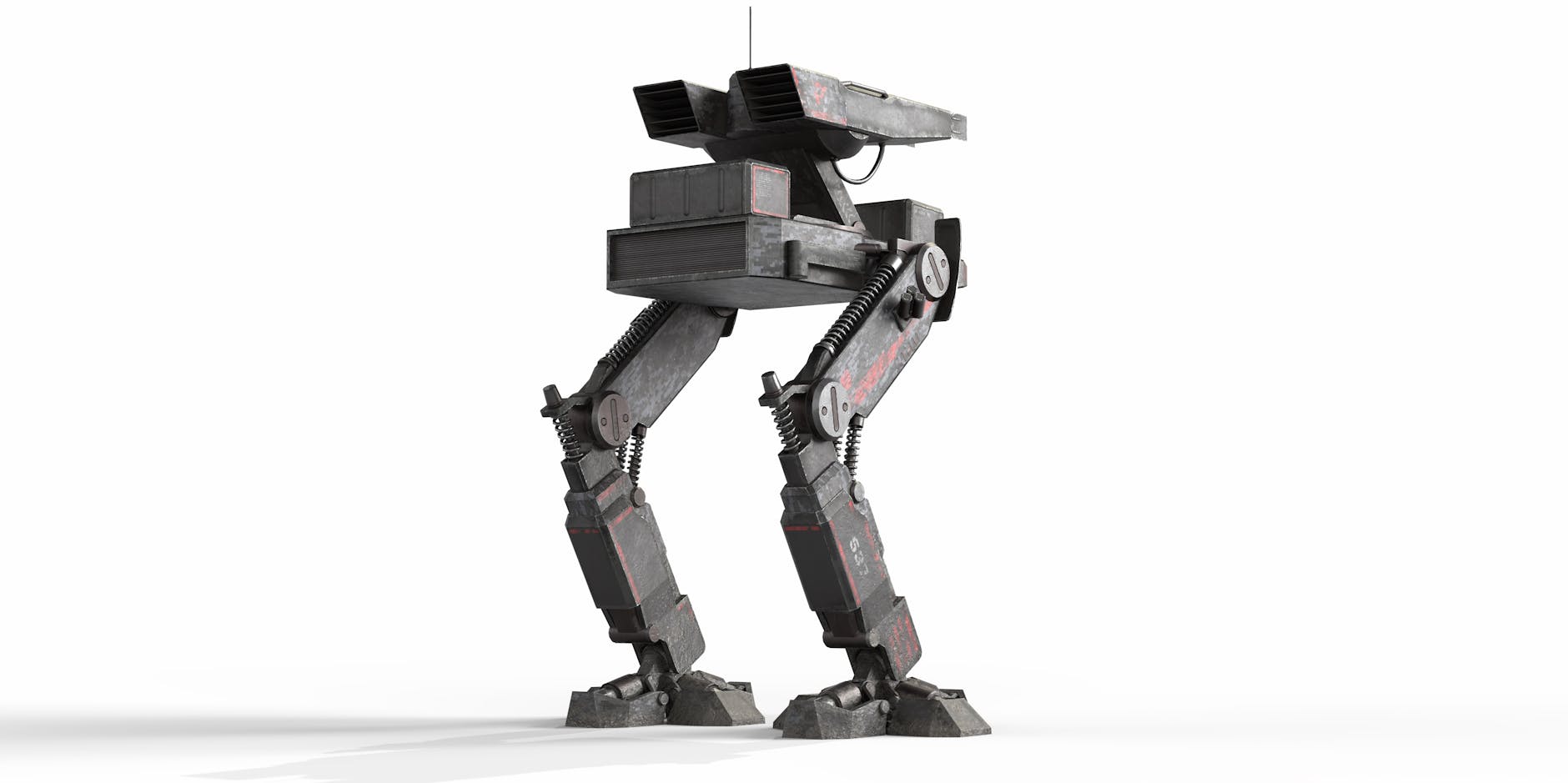
The debate over the role of artificial intelligence in warfare is no longer a distant concern; it is a pressing reality. As militaries around the world integrate AI technologies into their operations, the ethical, strategic, and operational ramifications are profound. The recent discussions at the United Nations Convention on Certain Conventional Weapons highlight the urgency of establishing clear guidelines and red lines regarding the deployment of lethal autonomous systems.
Key Takeaways
- AI technologies are increasingly used in military applications, leading to ethical concerns.
- International regulations are being discussed but progress is slow and fraught with challenges.
- Autonomous weapons systems can change the nature of combat and increase risks of escalation.
- There is a pressing need for transparent discussions on AI warfare among global leaders.
- Public awareness and advocacy play crucial roles in shaping the future of military AI legislation.
The Emergence of AI in Warfare
The rise of AI technology in warfare has sparked debates among policymakers, military strategists, and ethicists. The Convention on Certain Conventional Weapons (CCW), a United Nations forum aimed at addressing the implications of lethal autonomous systems, has been at the forefront of this discussion. Since its inception, the CCW has served as a platform for member states to deliberate on the future of warfare, particularly regarding the ethical implications of deploying AI-powered weapons.
In November 2017, Branka Marijan's attendance at the CCW marked a pivotal moment. What began as hypothetical discussions about the future of robotic warfare has transformed into urgent conversations about how these technologies are already being implemented on the ground. The emergence of AI in military applications has evolved beyond speculative scenarios into tangible realities that affect national security and international relations.
Why This Matters
The implications of AI warfare extend far beyond the battlefield. As autonomous systems become more prevalent, there are significant ethical, legal, and strategic concerns that need addressing. The potential for these technologies to make life-and-death decisions raises questions about accountability and oversight. Who is responsible when an AI system makes a fatal error? How can we ensure that these systems adhere to international humanitarian law?
Moreover, the deployment of AI in combat situations can lead to unintended escalations of conflict. As militaries increasingly rely on algorithms to inform their strategies, the speed at which decisions are made may outpace human judgement. This raises the risk of conflicts spiraling out of control, as autonomous systems make split-second decisions based on their programming, potentially without adequate checks and balances.
Background and Context
The discussion surrounding AI warfare is not new; it has roots in the development of autonomous systems over the past several decades. From drones to unmanned ground vehicles, military applications of AI have been evolving rapidly. The United States, China, and Russia are among the leading nations heavily investing in AI technologies for military purposes. These advancements have shifted the paradigm of warfare, leading to a re-evaluation of traditional combat strategies.
Historically, the introduction of new technologies in warfare has often led to ethical dilemmas and changes in international law. The use of chemical weapons in World War I prompted the Geneva Protocol of 1925, which aimed to prohibit the use of chemical and biological weapons. Similarly, the advent of AI warfare calls for a new legal framework that can adequately address the unique challenges posed by autonomous systems.
Expert Analysis
As a journalist covering the intersection of technology and society, it's essential to analyze the ramifications of AI warfare from multiple perspectives. The potential for enhanced efficiency and reduced human casualties are often touted as primary benefits of autonomous systems. However, these advantages come with significant ethical and strategic trade-offs.
Experts argue that the lack of human oversight in lethal decision-making processes could lead to moral disengagement. When machines make decisions about life and death, the human element is removed from the equation, raising concerns about moral accountability. This shift challenges long-held principles of just war theory, which emphasizes the importance of human judgement in warfare.
Additionally, the competitive nature of global military advancements complicates the situation. As nations race to develop cutting-edge technologies, there is an inherent risk of an arms race in AI warfare. This competition could lead to a lack of transparency and collaboration between nations, making it difficult to establish universally accepted guidelines for the use of autonomous systems.
What This Means for Military Strategies
The integration of AI in military operations will reshape strategies on both national and international stages. For military leaders, the ability to leverage AI technologies can provide a tactical advantage, enabling faster and more informed decision-making. However, this reliance on AI also necessitates a reevaluation of training and operational protocols to ensure that human operators remain in control and accountable.
For international relations, the introduction of AI warfare may necessitate new diplomatic strategies. Nations will need to engage in dialogue about the ethical implications of AI in combat and work collaboratively to establish norms and agreements that can govern their use. The potential for misunderstandings and miscommunications in the rapidly evolving landscape of AI warfare underscores the need for transparency and communication among global leaders.
Frequently Asked Questions
What are the ethical concerns surrounding AI warfare?
Ethical concerns include the potential for autonomous weapons to make life-and-death decisions without human oversight, raising questions about accountability and moral responsibility.
How are countries responding to the rise of AI in military applications?
Countries are engaging in discussions at forums like the UN's Convention on Certain Conventional Weapons to establish guidelines and agreements on the use of lethal autonomous systems.
What are the risks associated with autonomous weapons systems?
Risks include unintended escalations of conflict, lack of accountability for decisions made by AI, and the potential for an arms race in AI technologies among nations.
Can international law keep pace with advancements in military AI?
While there is a push for new legal frameworks, the rapid pace of technological advancements challenges the ability of international law to adapt quickly enough to govern the use of AI in warfare.
The Road Ahead
As we move forward, the integration of AI in warfare will undoubtedly continue to evolve. Governments and military organizations must prioritize the establishment of ethical guidelines and regulatory frameworks that address the unique challenges posed by autonomous systems. Fostering international cooperation and dialogue will be crucial in shaping the future of military AI, ensuring that advancements are made with consideration of their ethical implications.
Public awareness and advocacy will play critical roles in shaping the discourse around AI warfare. As citizens become more informed about the potential consequences of military AI, they can advocate for responsible policies that prioritize human oversight and accountability. The path ahead requires a collaborative effort among governments, industry leaders, and civil society to navigate the complexities of AI warfare responsibly.