How AI is Transforming Thought Processes Without Replacing Them
Artificial Intelligence (AI) is often viewed as a threat to human cognition—an entity poised to usurp our thinking processes, creativity, and decision-making capabilities. Yet, in a recent letter, Richard Thackeray and Phil Snell respond to Wendy Liu's concerns about cognitive sovereignty, emphasizing that AI is not about replacement; rather, it is about transformation. As AI tools proliferate in both professional and personal realms, understanding the nuanced relationship between AI and human cognition becomes increasingly vital.
Key Takeaways
- AI is reshaping cognitive processes rather than directly replacing human thought.
- The integration of AI tools prompts a reevaluation of our understanding of creativity and problem-solving.
- There are significant environmental and ethical considerations surrounding AI adoption.
- Concerns about labor redundancies are prevalent, but AI may also create new job opportunities.
- Cognitive sovereignty remains a critical issue, emphasizing the need for human oversight and control in AI applications.
Understanding the AI Landscape
The AI landscape is rapidly evolving. Tools such as chatbots, machine learning algorithms, and generative AI systems are becoming integral to various industries. According to a report by McKinsey, over 60% of businesses have adopted AI in at least one function, reflecting its growing role in reshaping operational frameworks. However, with innovation comes scrutiny, particularly regarding the implications of these technologies on thought processes.
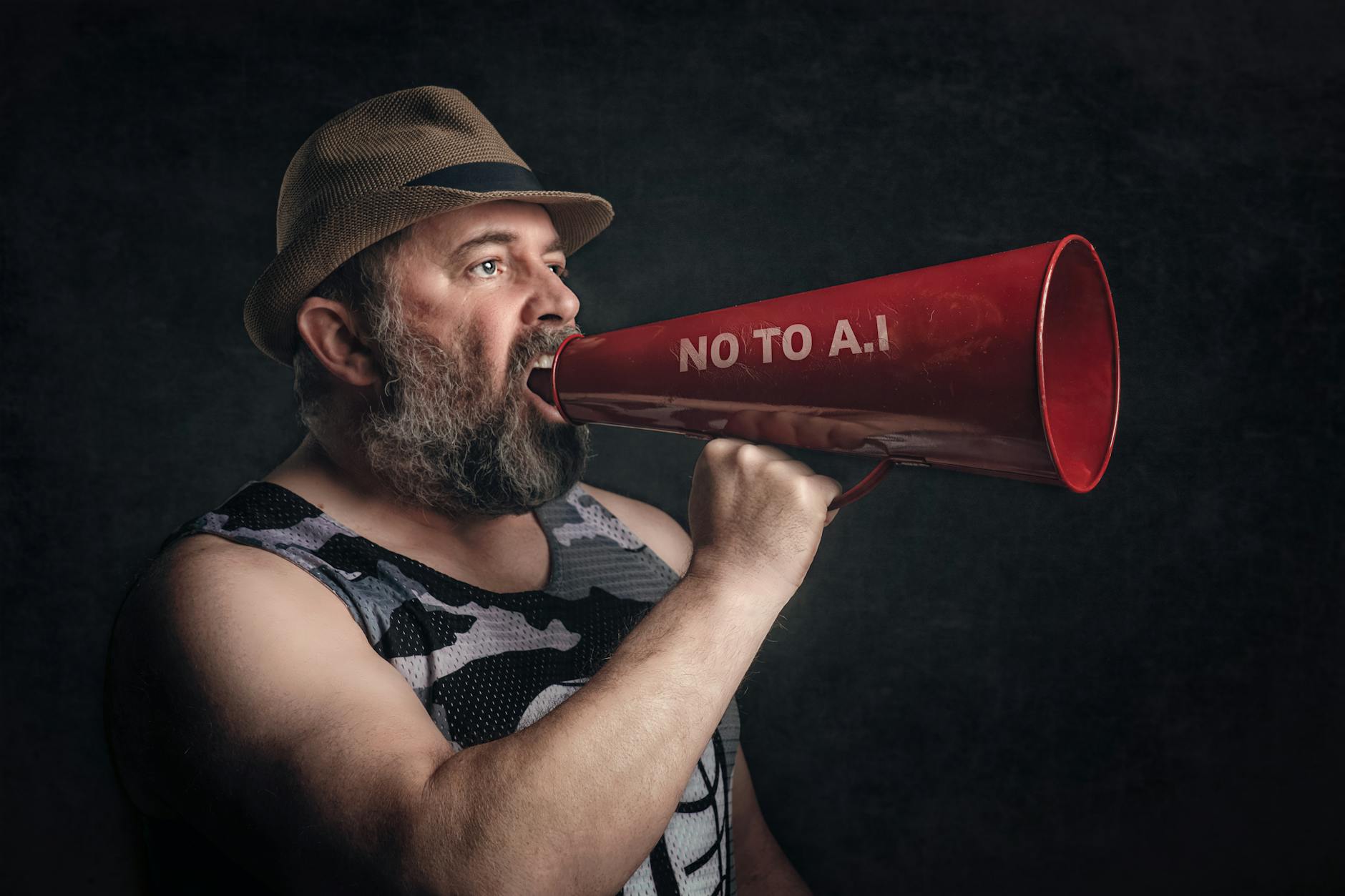
Wendy Liu's article highlights valid concerns regarding cognitive sovereignty—the idea that our thinking processes should remain uniquely human and not be compromised by technological advancements. Thackeray and Snell, however, argue that AI is not a replacement for human thought but a catalyst for change. They suggest that AI tools allow us to explore new avenues of creativity, enhance decision-making capabilities, and optimize problem-solving strategies.
Why This Matters
The implications of AI's transformative role in our cognitive processes extend far beyond individual users. Industries are rethinking how they approach creativity and problem-solving, defining new standards for productivity and innovation. For instance, in fields like marketing, AI tools can analyze consumer data patterns faster than any human, allowing companies to tailor their strategies accordingly. This shift necessitates a re-examination of what it means to be creative and how we can leverage AI to bolster our cognitive capabilities.
Furthermore, the environmental costs associated with AI technologies, such as energy consumption in data centers, cannot be overlooked. As we embrace AI, we must also consider sustainable practices to minimize its ecological footprint. Balancing innovation with responsibility is essential to ensure AI serves as a tool for enhancement rather than a detriment to our environment.
Background and Context
The conversation around AI's impact on human cognition is not new. Historical debates about technology replacing human jobs date back to the Industrial Revolution, where automation led to significant upheavals in the workforce. Fast forward to today, and we are witnessing a similar discourse surrounding AI. The rise of intelligent machines has sparked fears of widespread job displacement, with some studies predicting that up to 800 million jobs could be lost by 2030 due to automation.
Yet, history has also shown us that technological advancements can create new job opportunities, as seen with the rise of the internet and digital industries. The question now arises: Can AI coexist with human thought, enhancing rather than diminishing our cognitive abilities? As we continue to integrate AI into our lives, understanding its potential to transform rather than replace becomes crucial.
Expert Analysis
To analyze the evolving role of AI in reshaping human cognition, we must first understand how it operates. AI systems function by processing vast amounts of data, recognizing patterns, and providing insights that may not be immediately apparent to humans. This capability can enhance our decision-making processes, allowing us to tackle complex problems more effectively.
For instance, AI-driven tools in healthcare can analyze patient data to identify potential health risks, enabling earlier interventions. In creative fields, AI-generated content can inspire human creators, prompting new ideas and approaches. The challenge lies in ensuring that these tools enhance rather than undermine our cognitive sovereignty.
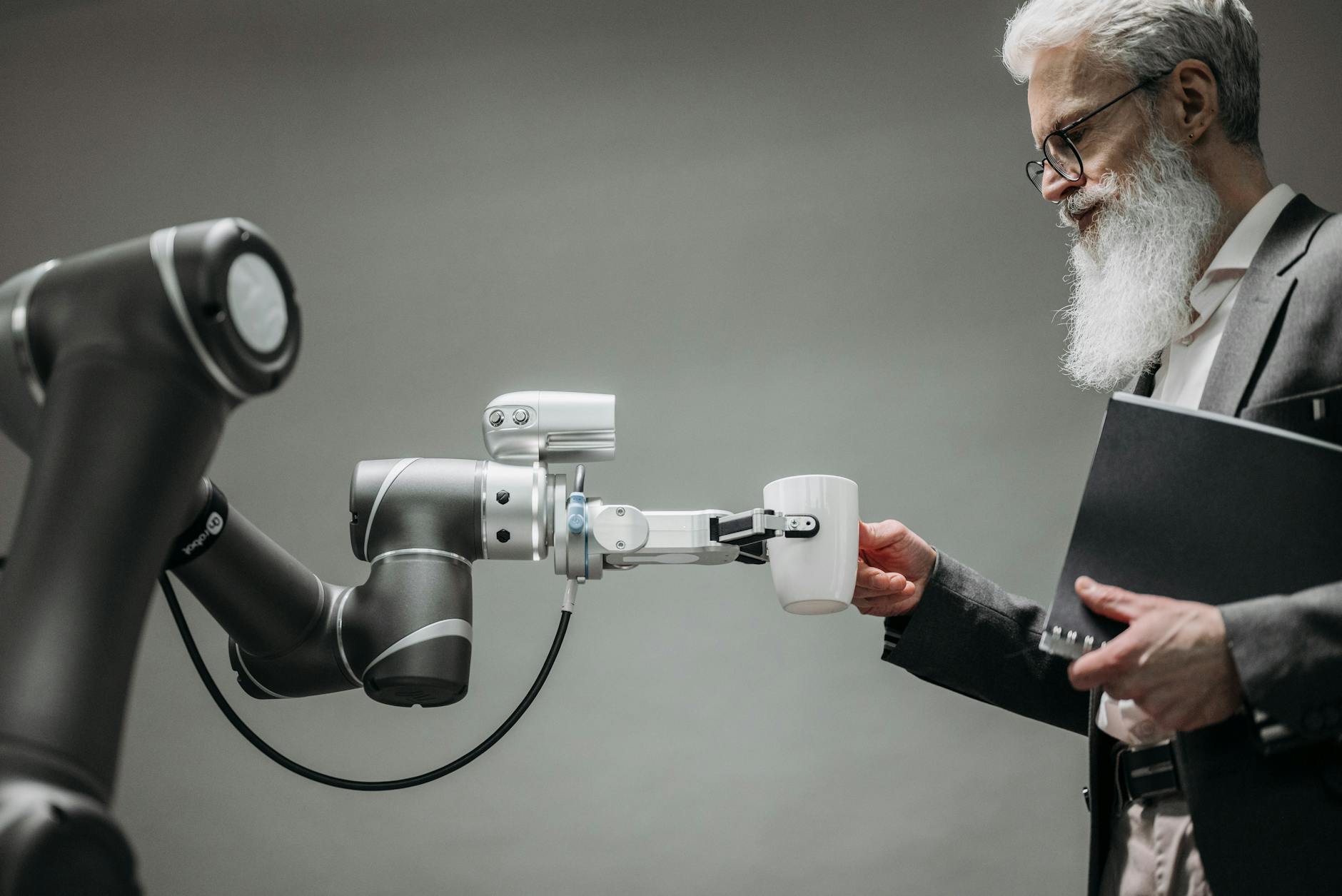
As Thackeray and Snell point out, the key is maintaining human oversight in AI applications. While AI can offer valuable insights and assistance, the final decisions and creative processes must remain under human control. This dynamic redefines our understanding of creativity, suggesting that it will increasingly involve collaboration between human intuition and machine intelligence.
What This Means for Users and Developers
For users, the implications of AI's role in cognitive transformation are profound. Individuals can leverage AI tools to augment their capabilities, enhancing productivity and creativity. However, users must also be aware of the potential pitfalls, such as over-reliance on AI systems that may lead to cognitive atrophy or diminished critical thinking skills.
For developers, the challenge lies in designing AI tools that complement human thought processes while preserving user autonomy. This involves creating systems that promote collaboration between humans and machines, allowing users to benefit from AI's strengths without sacrificing their unique cognitive abilities. Ethical considerations must also guide development, ensuring that AI systems are transparent, fair, and accountable.
Frequently Asked Questions
Is AI replacing human jobs?
While AI is expected to automate some tasks, it is also likely to create new job opportunities in fields that require human creativity, intuition, and emotional intelligence. The key is to adapt to these changes and develop skills that complement AI technologies.
How can I use AI tools effectively?
To use AI tools effectively, consider them as assistants rather than replacements. Leverage their capabilities to enhance your work, but ensure you maintain critical thinking and decision-making skills.
What are the ethical implications of AI in cognition?
The ethical implications include concerns about bias, accountability, and transparency in AI systems. Developers and users must prioritize ethical considerations to ensure responsible AI use.
How does AI impact creativity?
AI can enhance creativity by providing new ideas, insights, and inspiration. However, it is essential to ensure that human creativity remains at the forefront of the creative process.
The Road Ahead
Looking forward, the relationship between AI and human cognition will continue to evolve. As AI technologies advance, we can expect to see even more sophisticated tools that can assist in various cognitive tasks. The challenge will be to ensure that these advancements serve to elevate human thought rather than diminish it.
Ultimately, the future lies in a collaborative approach where AI and humans work together to unlock new realms of creativity and problem-solving. By embracing this partnership, we can harness the full potential of AI while safeguarding our cognitive sovereignty.