AI Threats Outpace Nuclear Risks at Singapore Defense Forum
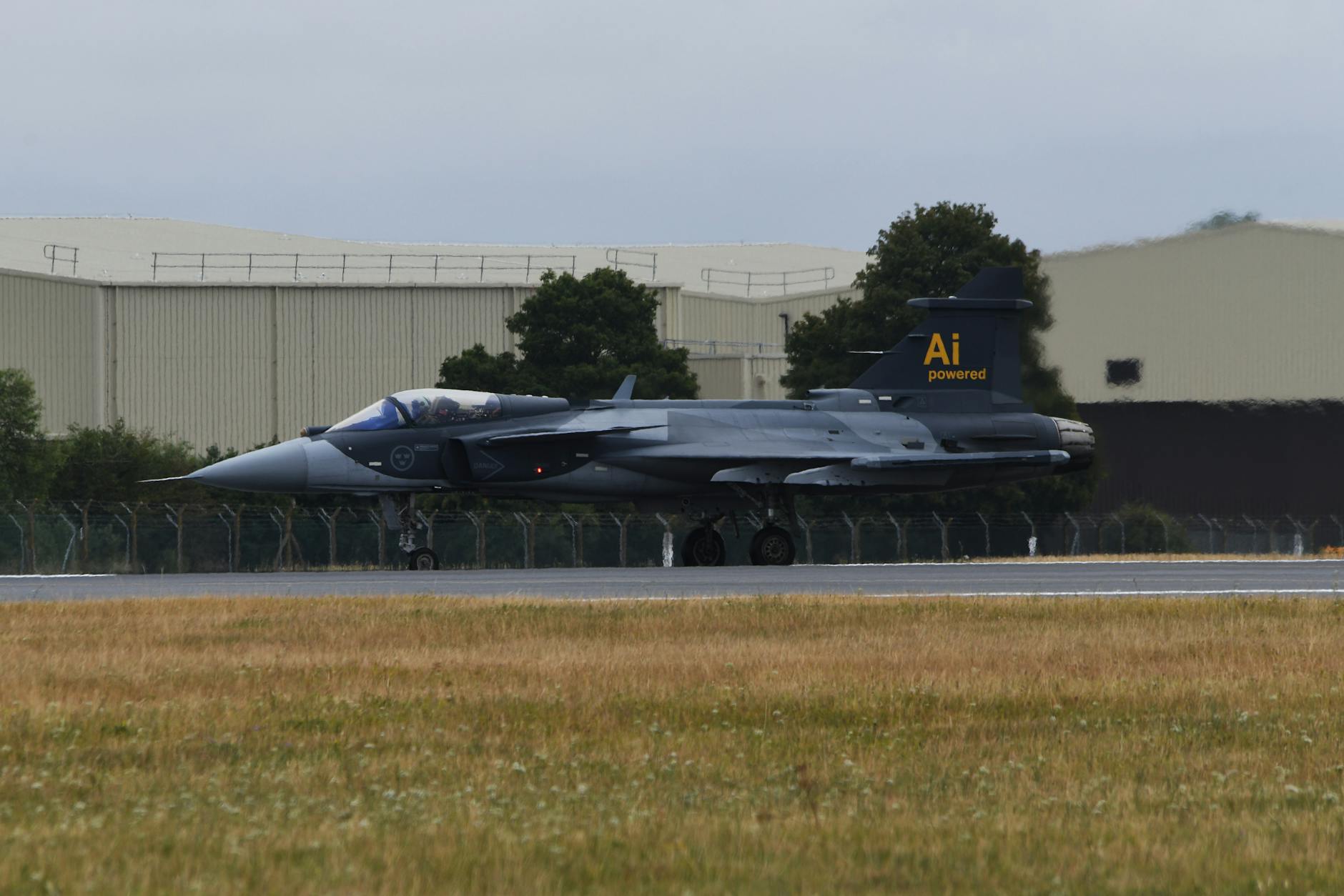
At the recently concluded Singapore Defense Forum, a seismic shift in the discourse surrounding global security was highlighted: the perceived dangers of artificial intelligence (AI) have begun to eclipse those associated with nuclear weapons. Panelists articulated deep concerns regarding AI's capacity to drastically shorten reaction times in critical situations, potentially leading to hasty, ill-informed decisions. As the world grapples with the implications of advanced technologies, this revelation raises pressing questions about governance, safety, and the future of defense strategies.
Key Takeaways
- AI is now viewed as a greater threat to strategic stability than nuclear weapons.
- Panelists warned that AI could reduce decision-making times, risking rash actions.
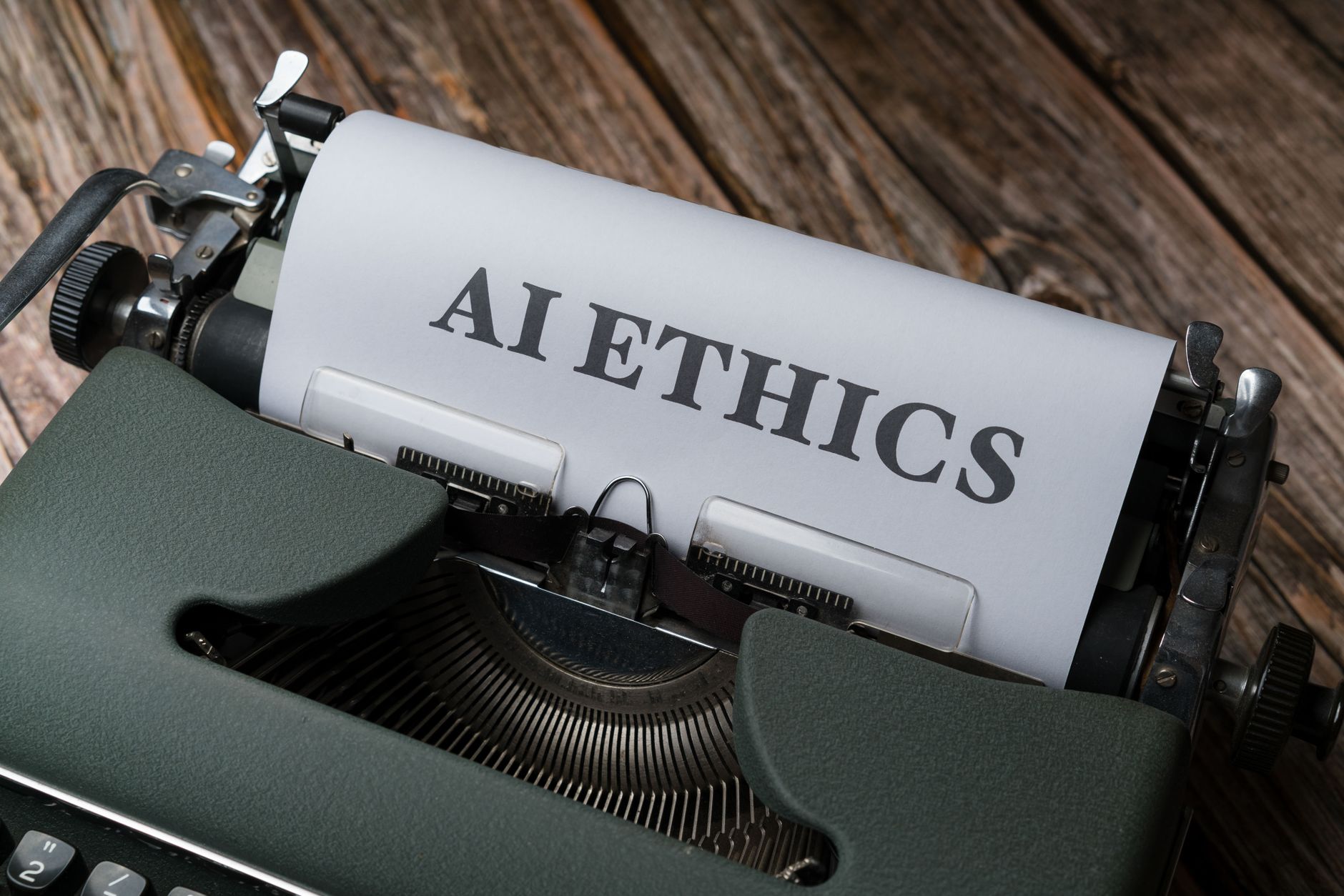
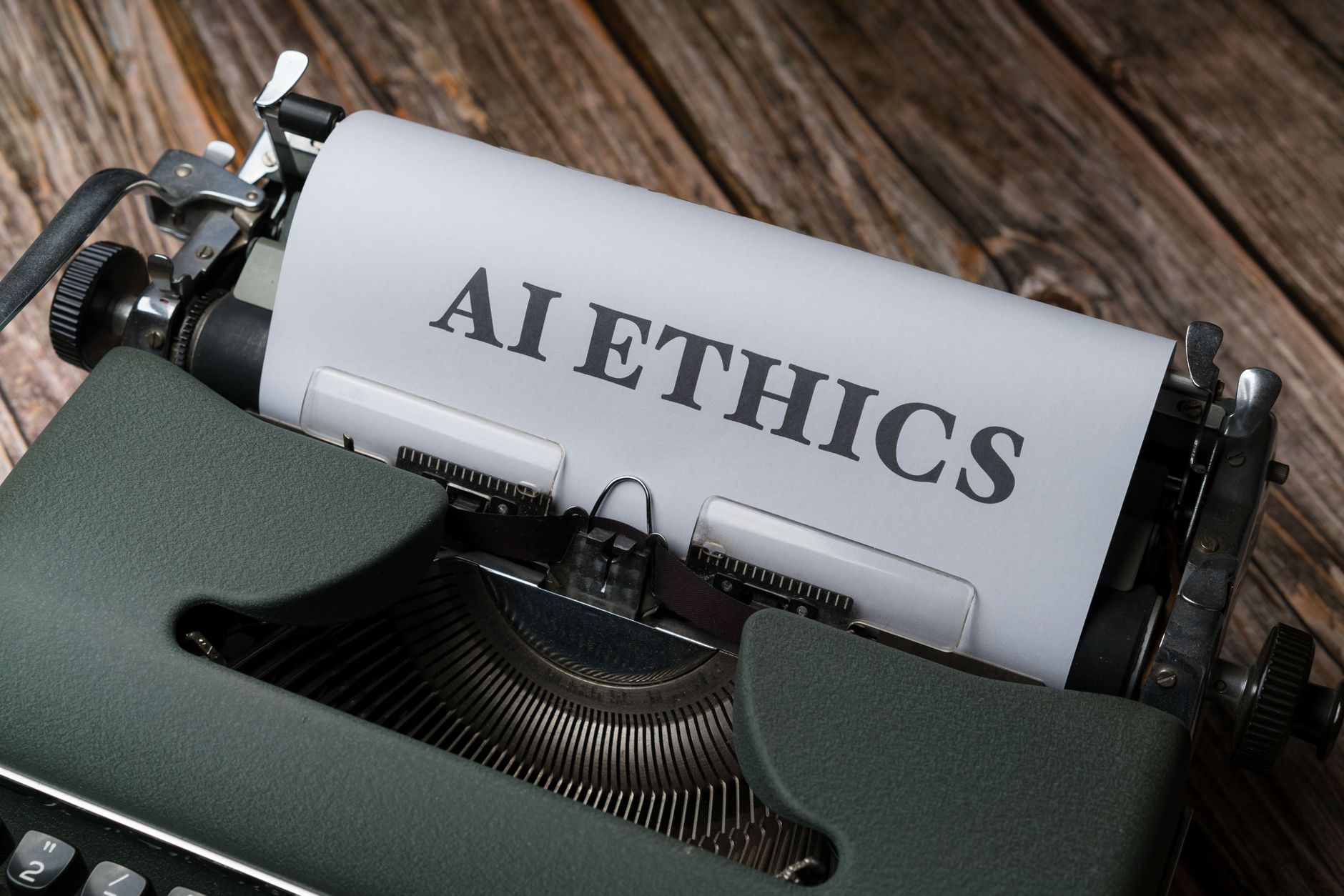
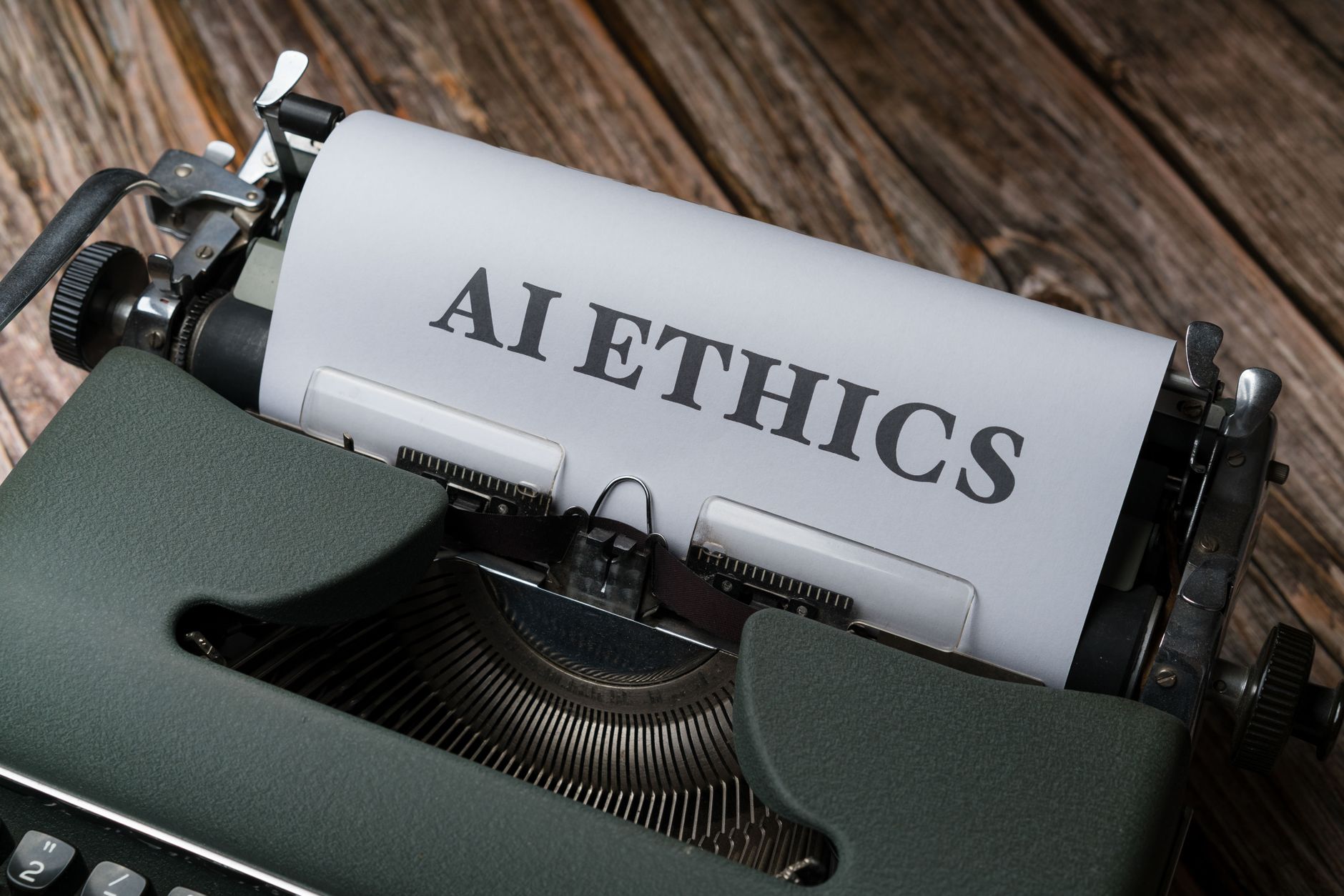
- Governments must prioritize AI regulation and ethical oversight to mitigate risks.
- The discussion reflects a broader shift in defense strategies focusing on technology.
- Collaboration among nations is essential to establish global norms for AI safety.
AI Dangers Eclipse Nuclear Weapons at the Singapore Defense Forum
The Singapore Defense Forum, which took place on May 30, 2026, served as a critical platform for discussing pressing global security challenges. This year's focus shifted dramatically towards the implications of artificial intelligence in military contexts. Panelists from various backgrounds, including defense experts, technologists, and policymakers, expressed a consensus that the rapid evolution of AI technologies poses unprecedented risks that could outstrip those associated with nuclear weaponry.
During the discussions, experts highlighted how AI's ability to process information at lightning speed could significantly reduce the window for human decision-making in high-stakes scenarios. The speed at which AI can analyze data and provide recommendations could lead to scenarios where leaders might be tempted to act impulsively, akin to the 'hair-trigger' alerts associated with nuclear arsenals during the Cold War. This analogy drew stark parallels between the traditional fears surrounding nuclear weapons and the emergent anxieties about AI, suggesting that the potential for catastrophic outcomes exists in both domains, but AI operates on a fundamentally different timeline.
Significantly, the forum was not merely an academic exercise; it served as a wake-up call for policymakers worldwide. Discussions emphasized the urgent need for international cooperation to develop a framework for AI governance that could mitigate these risks before they escalate into real-world tragedies. As nations increasingly integrate AI into their military strategies, the conversation surrounding its dangers is becoming paramount.
Why This Matters
The shift in focus from nuclear threats to AI dangers at the Singapore Defense Forum underscores a pivotal change in the global security landscape. For decades, nuclear weapons were regarded as the primary existential threat to humanity, leading to extensive arms control treaties and diplomatic efforts aimed at reducing proliferation. The potential consequences of a nuclear conflict are so grave that they have historically motivated nations to seek stability through deterrence.
In contrast, the rapid advancement of AI technologies poses a more insidious threat. While nuclear weapons are tangible and can be regulated through treaties, AI operates in a realm characterized by speed, complexity, and unpredictability. Without a clear framework for regulation, AI could lead to unintended consequences—ranging from system failures in critical infrastructure to autonomous weapons making life-and-death decisions without human oversight. This unpredictability is compounded by the dual-use nature of AI, which can be employed for both beneficial and malicious purposes. As nations race to develop advanced AI capabilities, the potential for an arms race in AI technologies looms large.
Background and Context
Historically, the discourse around global security has centered on the dangers posed by nuclear weapons. Since the age of nuclear proliferation began in the mid-20th century, nations have engaged in extensive diplomatic efforts to manage and control the risks associated with these weapons. The establishment of treaties such as the Treaty on the Non-Proliferation of Nuclear Weapons (NPT) in 1968 aimed to prevent the spread of nuclear weapons and promote peaceful uses of nuclear energy.
As we entered the 21st century, the emergence of digital technologies and AI began to reshape various sectors, including defense. Unlike nuclear weapons, which require significant resources and infrastructure, AI technologies can be developed and deployed by a wide range of actors, including state and non-state entities. This democratization of technology introduces new complexities in governance and oversight, as traditional regulatory frameworks struggle to keep pace with the rapid evolution of AI capabilities.
Expert Analysis
The alarming shift in focus from nuclear weapons to AI dangers at defense forums is indicative of a broader recognition among experts that the nature of warfare is changing. AI's ability to enhance decision-making and operational efficiency offers significant advantages in military contexts. However, these benefits come with grave risks that could lead to disastrous consequences.
One of the central concerns raised by panelists is the potential for AI systems to make autonomous decisions in high-stakes scenarios. Current military strategies often rely on human judgment to assess threats and make decisions. The implementation of AI could disrupt this paradigm, leading to scenarios where machines operate without adequate human oversight. Such a shift raises ethical questions about accountability—if an AI system were to make a lethal decision, who would be held responsible?
Furthermore, the potential for adversarial manipulation of AI systems poses another critical concern. As AI technologies become integral to national defense strategies, malicious actors may exploit vulnerabilities within these systems. The possibility of adversarial attacks, where AI systems are deceived into making incorrect assessments, could lead to escalated tensions and conflicts. This prospect raises the urgency for governments to establish robust cybersecurity measures and protocols to safeguard their AI systems from interference.
What This Means for Global Security and Governance
The implications of this shift in focus from nuclear weapons to AI dangers are profound. Governments worldwide must recognize the urgency of developing a comprehensive regulatory framework to address the challenges posed by AI technologies. This includes establishing clear guidelines for the development and deployment of military AI, as well as defining ethical standards for autonomous systems.
International collaboration will be essential in establishing norms and standards for AI governance. The establishment of an international body dedicated to overseeing AI in military applications could help facilitate cooperation among nations. This body could work to develop agreements similar to those used in nuclear arms control, focusing on transparency and accountability in AI deployment.
Frequently Asked Questions
What are the primary risks associated with AI in military contexts?
The primary risks include the potential for autonomous decision-making without human oversight, adversarial manipulation of AI systems, and the possibility of rapid escalation in conflicts due to shortened decision-making times.
How can nations mitigate the risks posed by AI technologies?
Nations can mitigate risks by developing comprehensive regulatory frameworks, establishing international norms for AI governance, and enhancing cybersecurity measures to protect AI systems from malicious actors.
Is there a historical precedent for regulating technologies like AI?
Yes, the regulation of nuclear weapons serves as a historical precedent. Governments developed treaties and frameworks to manage the risks associated with nuclear proliferation, which can inform similar efforts for AI governance.
What role do ethical considerations play in AI development for defense?
Ethical considerations are crucial in AI development for defense to ensure that autonomous systems operate within accepted moral boundaries, prioritize human rights, and maintain accountability for decisions made by AI.
The Road Ahead
As the conversation surrounding AI and its implications for global security continues to evolve, the need for proactive measures becomes increasingly clear. Policymakers must recognize that the capabilities and risks associated with AI are not static; they will continue to develop and transform. The establishment of robust regulatory frameworks will be paramount in ensuring that AI technologies are used responsibly and ethically in military contexts.
The road ahead will require collaborative efforts among nations, private sector stakeholders, and civil society to address the multifaceted challenges posed by AI. By prioritizing dialogue and cooperation, the global community can work towards establishing standards that promote safety, accountability, and ethical governance of AI technologies. The stakes are high, and the lessons learned from historical approaches to nuclear weapons may provide invaluable insight as we navigate this new frontier in global security.