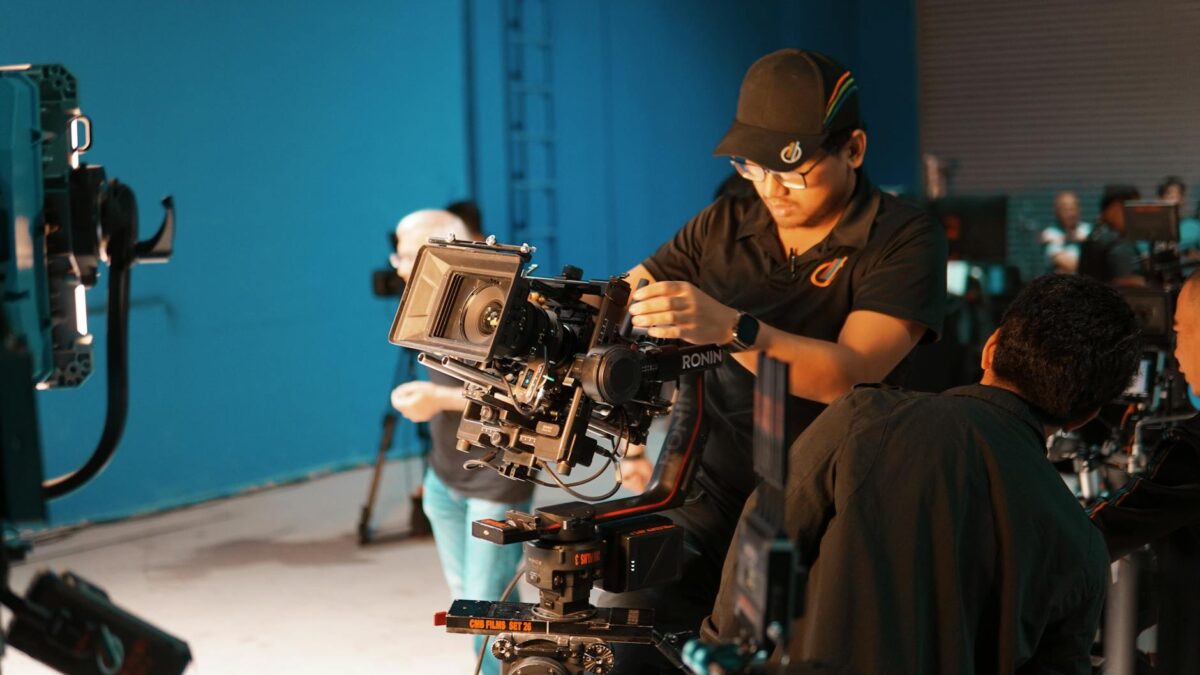
Introduction: The Changing Landscape of Hollywood
In a bold proclamation, Runway’s CEO has sparked conversations about the potential of artificial intelligence (AI) to transform Hollywood’s film production model. With the traditional approach often centered around creating a single blockbuster with a hefty budget, AI technology could pave the way for studios to produce up to 50 films for the same price as one $100 million production. This visionary outlook not only raises questions about the future of filmmaking but also highlights the critical role that AI can play in enhancing creativity and efficiency in the entertainment industry.
The Current Film Production Model
Historically, Hollywood has relied on the blockbuster model to generate revenue. Studios often invest millions into a single film, banking on its success to recoup their investment and yield profit. While this method has produced remarkable cinematic experiences and pop culture phenomena, it has also led to a high-risk environment where the pressure to succeed weighs heavily on producers, directors, and writers.
Challenges of the Blockbuster Model
The focus on creating mega-hits has several downsides. First, the financial stakes are enormous. If a blockbuster fails, the financial repercussions can be devastating for studios. Second, the creative process may become stifled, as filmmakers might feel compelled to follow formulas that are perceived to attract mass audiences. Consequently, many innovative and diverse stories are left untold.
AI’s Role in Film Production
As the film industry grapples with these challenges, AI emerges as a promising solution. The technology can optimize various stages of production, from scriptwriting to post-production, and even marketing. Runway’s CEO suggests that by leveraging AI, studios can produce a wider array of films, thereby increasing the chances of discovering the next big hit.
Script Development and Pre-Production
AI tools can assist writers by analyzing successful scripts and identifying trends that resonate with audiences. By utilizing machine learning algorithms, AI can generate script ideas or even entire drafts, allowing writers to focus on creativity rather than logistics. This speeds up the pre-production process and opens the door for more diverse narratives.
Production Efficiency
During filming, AI can optimize camera work, lighting, and even actor performances through data analysis. By using AI-driven tools, directors can streamline production, reducing costs and time spent on set. This efficiency not only helps in managing budgets but also allows for more flexible shooting schedules, accommodating various filming locations and conditions.
Post-Production and Distribution
In post-production, AI can enhance editing, special effects, and sound design, making the process faster and more affordable. AI algorithms can analyze audience preferences and predict which films are likely to resonate with viewers, assisting studios in making informed decisions about marketing strategies and distribution channels.
Volume vs. Quality: A Paradigm Shift
One of the most compelling arguments for this shift is the idea that producing a higher volume of films increases the odds of finding a successful hit. In a world where consumer preferences are constantly evolving, having a diverse slate of films allows studios to cater to different tastes and demographics. This not only enhances the chances of box office success but also enriches the cultural landscape of cinema.
Expanding Opportunities for Creatives
By democratizing the filmmaking process, AI empowers a wider array of filmmakers to share their stories. Independent filmmakers, often constrained by tight budgets, can leverage AI tools to create quality films that may have been previously unattainable. This could lead to a resurgence of originality and innovation in storytelling.
What This Means for the Future of Hollywood
The prospect of AI-driven film production marks a significant turning point for Hollywood. As studios embrace this technology, the landscape of filmmaking may change dramatically. With the ability to produce multiple films at a fraction of the cost, the industry could see a renaissance of creativity and diversity.
Looking Ahead: Embracing Change
As the film industry continues to evolve, it is crucial for stakeholders to embrace these technological advancements. While concerns about the impact of AI on jobs and traditional roles in filmmaking are valid, the potential benefits far outweigh the risks. By adapting to these changes, Hollywood can not only enhance its global competitiveness but also cultivate a richer tapestry of stories that reflect the myriad experiences of audiences worldwide.
The future of film production with AI is bright, and as Runway’s CEO posits, it could redefine what is possible in the realm of cinema. As we look ahead, the industry stands on the brink of a transformative era, where creativity meets technology, opening the door to endless storytelling possibilities.