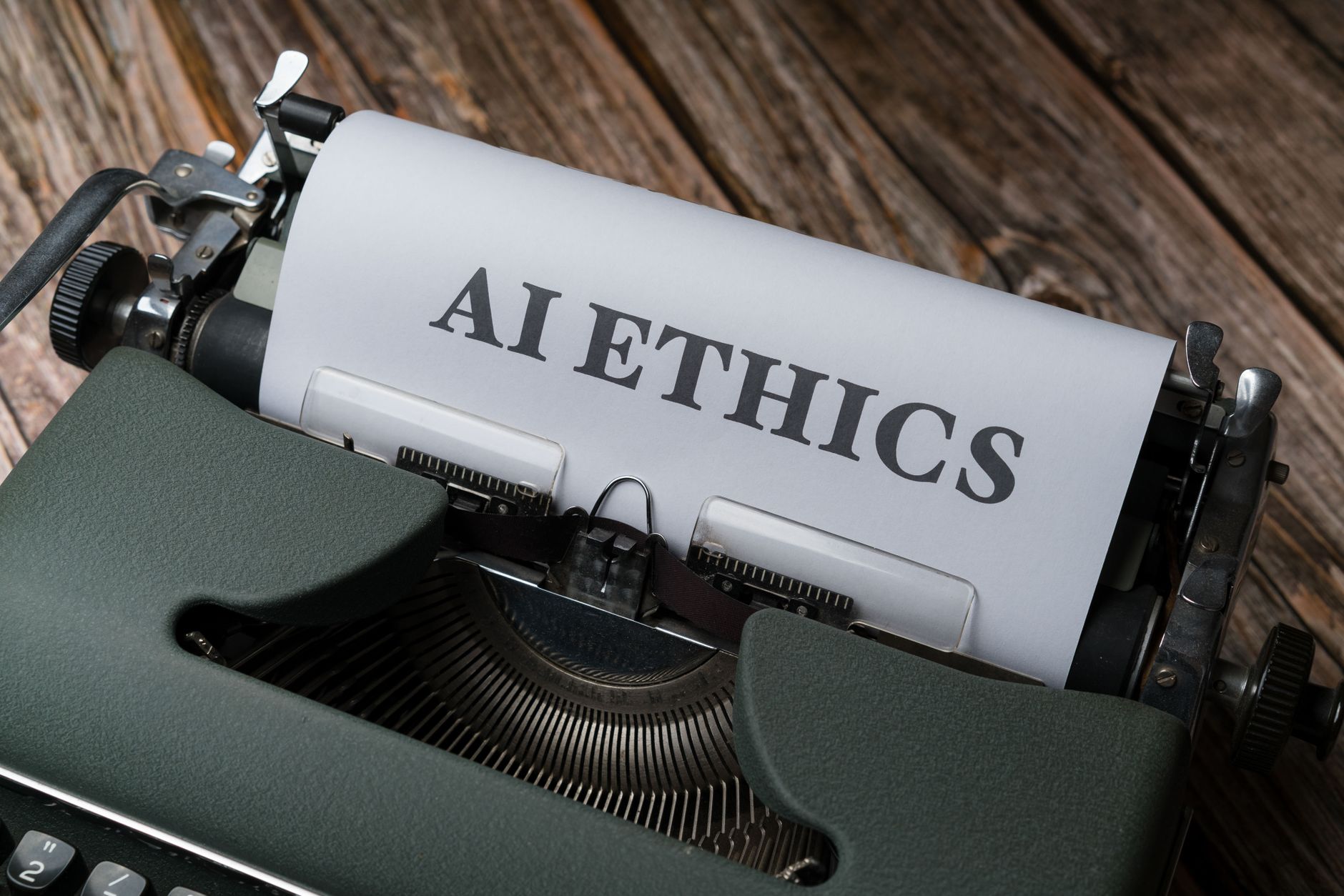
AI Influence in Politics: The Case of New York's 12th District
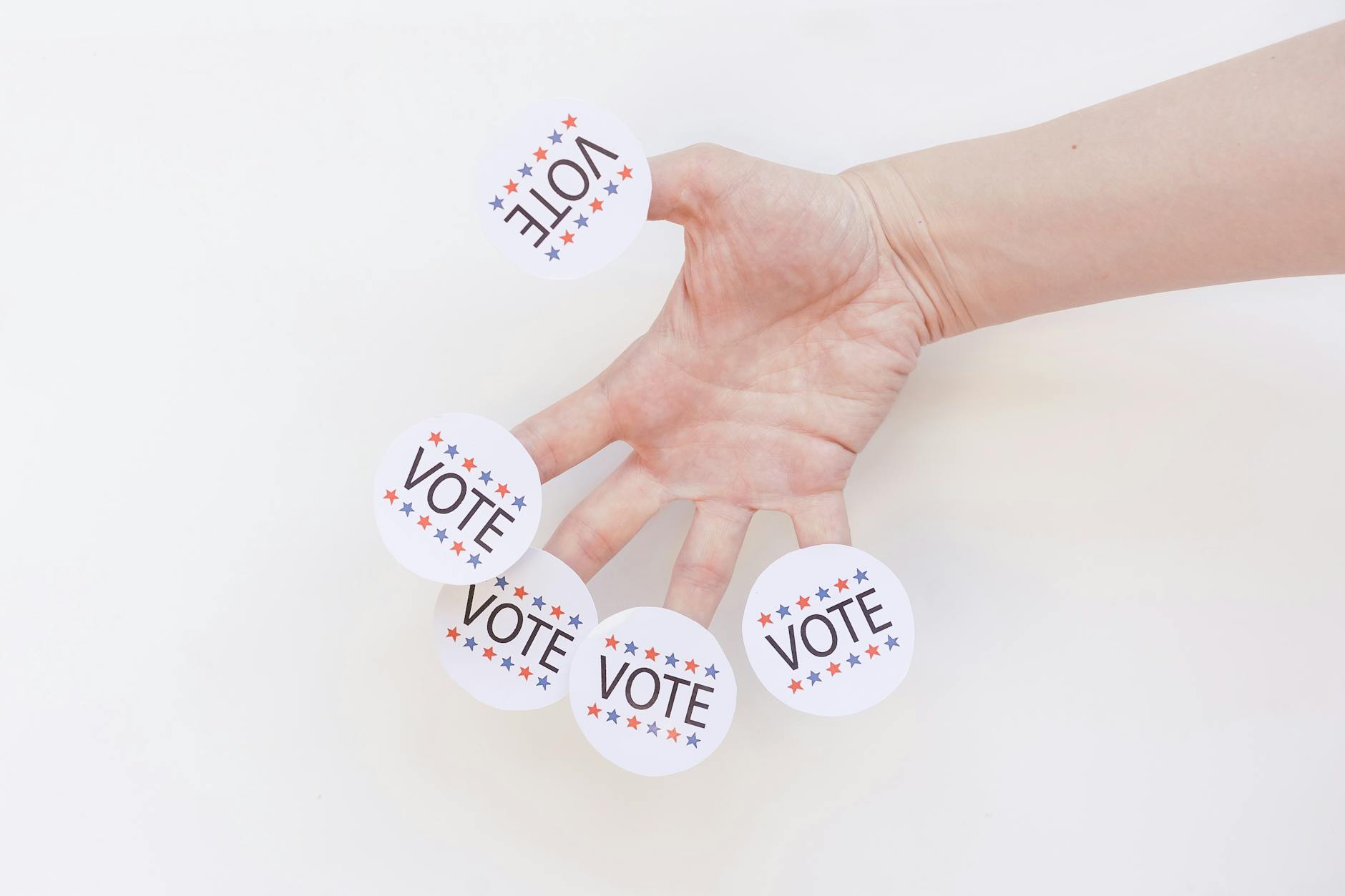
The increasing intersection of artificial intelligence and politics is laying bare the complexities of governance in a digital age. In the lead-up to the Democratic primary for New York's 12th congressional district, a little-known candidate named Alex Bores has emerged from the shadows, not solely due to his policies but because of the high-stakes battle between AI giants Anthropic and OpenAI. This unusual scenario raises questions about who controls AI narratives, the implications for political regulation, and the very nature of democratic discourse.
Key Takeaways
- The Democratic primary for New York's 12th district features a significant influence from AI companies, particularly Anthropic and OpenAI.
- Candidates are navigating a complex political landscape shaped by AI regulations and public sentiment towards these technologies.
- Alex Bores, a relatively unknown politician, is receiving attention as AI’s political battleground heats up.
- The outcome of this primary could set precedents for how AI is regulated and who bears responsibility for its misuse.
- This scenario exemplifies the broader trend of AI's growing role in shaping political narratives and public perception.
The Political Landscape of New York's 12th District
The New York 12th congressional district is poised to witness an unprecedented political showdown as the Democratic primary approaches in June. This contest is not just about local issues but also about the future governance of artificial intelligence. Candidates are grappling with questions surrounding AI regulation and the ethical implications of its uses. With major AI players like OpenAI and Anthropic pouring millions into shaping the political discourse, the stakes are remarkably high.
Alex Bores has emerged as a candidate who, despite being relatively unknown, has found himself at the center of a media storm fueled by the very technologies that threaten to overshadow traditional political campaigning. As he navigates this complex landscape, Bores is leveraging AI-driven platforms to connect with constituents and share his vision for the future. His campaign is not merely a reflection of his political ambitions; it is also a case study in how technology can influence electoral dynamics.
Why This Matters
The implications of AI's influence on this electoral contest extend far beyond the borders of New York's 12th district. As AI technologies become increasingly integrated into our daily lives, the question of regulation looms larger than ever. The battle between Anthropic and OpenAI is emblematic of broader industry tensions regarding who gets to dictate the rules that govern AI. This not only affects tech companies but also the average citizen, who may unknowingly become embroiled in the consequences of poorly regulated technologies.
Furthermore, this political scenario raises critical questions about accountability. If AI systems lead to misinformation or negative outcomes in society, who should be held responsible? The candidates’ responses to these questions will undoubtedly resonate with voters, influencing public perception of AI and its ramifications for democracy. This primary could signal a shift in how politicians engage with technology and its stakeholders, setting a precedent for future political contests.
Background and Context
The rise of AI has transformed many sectors, but its impact on politics is particularly nuanced. Historically, technology has always had a role in shaping political landscapes, from the printing press to broadcast media. However, the advent of AI has introduced complexities that challenge traditional political frameworks. With AI's ability to process vast amounts of data and generate insights, candidates can harness these technologies to craft targeted campaigns.
In recent years, AI-driven tools have emerged as critical components of political strategy. From social media advertising to voter engagement platforms, candidates are increasingly relying on AI to inform their strategies. Nevertheless, this reliance raises ethical concerns surrounding privacy, data usage, and the potential for manipulation. As we observe the unfolding narrative in New York's 12th district, it's essential to recognize that this is just a microcosm of a larger trend where AI technologies are reshaping electoral politics.
Expert Analysis
To truly understand the ramifications of AI's involvement in politics, one must consider both the technology and the human factors at play. Political strategist and AI ethicist Dr. Samantha Lee argues that the current landscape is a double-edged sword. "On one hand, AI can enhance democratic engagement by making information more accessible, but on the other, it can deepen divides if used irresponsibly," she explains.
As candidates like Bores tap into AI tools, they must remain vigilant about the ethical implications of their strategies. For instance, using AI to analyze voter data can lead to more personalized campaigns, but it also risks infringing on privacy. Ethical considerations must guide how these candidates deploy AI technologies to avoid exacerbating the very issues they aim to address.
Moreover, the competition between major AI players like Anthropic and OpenAI introduces another layer of complexity. These companies are not just competing for market share; they are also vying for influence over political narratives. The financial backing of these companies can significantly impact the outcomes of elections, raising concerns about corporate influence in politics and the potential for policy decisions to favor corporate interests over public welfare.
What This Means for Candidates and Voters
The dynamics at play in New York's 12th district serve as a crucial reminder for both candidates and voters alike. For candidates, the necessity to engage with AI technology in their campaigns is undeniable. Those who fail to adapt may find themselves overshadowed by those who can effectively leverage these tools. Bores’ rise in profile underscores how AI can elevate lesser-known candidates in a crowded field.
For voters, this evolution signifies the importance of remaining informed about both the candidates and the technologies they employ. As AI becomes an integral part of political campaigning, voters must critically assess how these technologies impact their choices and the implications for broader societal issues. Engaging in discussions about ethics, accountability, and regulation will be vital as constituents navigate this new political terrain.
Frequently Asked Questions
What role does AI play in political campaigns?
AI is used in political campaigns for data analysis, targeted advertising, and voter engagement. It helps candidates tailor their messages to specific demographics and understand voter preferences.
How can AI influence public perception of candidates?
AI can shape public perception by analyzing social media trends, generating insights on public sentiment, and creating personalized content that resonates with voters.
What are the ethical concerns surrounding AI in politics?
Ethical concerns include privacy violations, data misuse, misinformation, and the potential for manipulation of public opinion. Candidates must navigate these issues carefully to maintain trust.
Why is the New York 12th district race significant?
This race exemplifies the intersection of AI and politics, highlighting the influence of major tech companies in shaping electoral outcomes and regulatory approaches to AI.
The Road Ahead
As we look ahead to the upcoming primary and beyond, the implications of this political contest will reverberate throughout the broader political landscape. Candidates like Alex Bores represent a new breed of politician who must balance traditional campaigning against the backdrop of technological disruption. Their success or failure will serve as a litmus test for how well politicians can adapt to the evolving relationship between technology and governance.
Moreover, the ongoing battle between AI companies will likely influence regulatory frameworks, impacting not just New York but nationwide. As policymakers grapple with the complexities of AI, the outcomes of this primary could shape the future of AI regulation, accountability, and the continued evolution of democracy itself. In this new era, understanding the interplay between technology and political engagement is essential for both voters and candidates alike.