The AI Hype Index: Why the Class of 2026 is Skeptical of AI

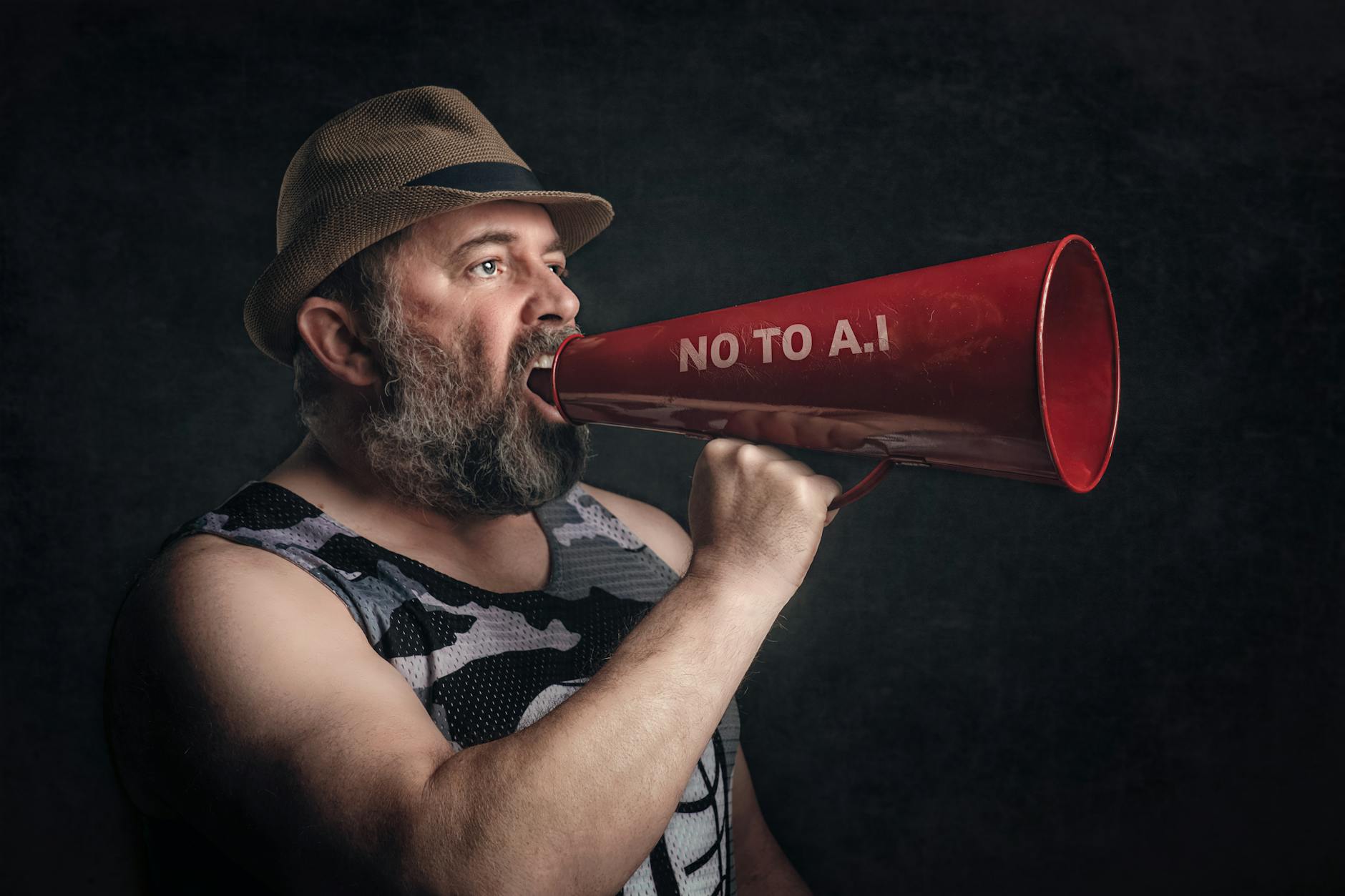
The recent graduation season has unveiled a surprising wave of skepticism towards artificial intelligence (AI), particularly among the Class of 2026. When former Google CEO Eric Schmidt addressed graduates at the University of Arizona, urging them to embrace the task of shaping AI, he was met with a chorus of boos. This reaction is more than just a momentary lapse in graduation decorum; it encapsulates a growing anxiety among the younger generation regarding the implications of AI on their future.
Key Takeaways
- Graduates of 2026 are expressing skepticism about AI's potential impact on society.
- Eric Schmidt's remarks at a graduation ceremony were met with boos, reflecting broader discontent.
- The reaction signifies a generational divide in attitudes towards technology and its implications.
- Concerns about job displacement, ethical considerations, and privacy issues dominate the discourse.
- The growing skepticism calls for a reevaluation of how AI is marketed and discussed publicly.
Understanding the Reaction at Graduation Ceremonies
During the graduation ceremony at the University of Arizona, Eric Schmidt's speech aimed to inspire graduates by emphasizing their role in shaping the future of AI. However, instead of applause, he was met with boos—a stark contrast to the typical celebratory atmosphere of such events. This reaction serves as a vital indicator of how graduates perceive AI's potential to influence their lives.
Many students today are aware that AI is not merely a technological advancement; it is intricately linked to broader societal issues such as employment, ethics, and privacy. As Schmidt's address unfolded, it became evident that graduates were not only skeptical of AI's capabilities but were also expressing their discomfort with the narratives surrounding it. Their response suggests a disconnect between the optimism often articulated by tech leaders and the realities that students foresee upon entering the workforce.
Why This Matters
The reaction of the Class of 2026 to Eric Schmidt's speech is emblematic of a larger trend: a growing skepticism towards AI technologies. This phenomenon is not confined to graduation ceremonies; it is echoing throughout society as people grapple with the implications of AI integration in daily life. As businesses increasingly adopt AI solutions, understanding these sentiments is crucial for navigating future innovations.
Students are not just concerned about job displacement; they are also questioning the ethical frameworks that govern AI development. Issues of accountability, bias, and transparency loom large in discussions surrounding AI. The pressure to address these concerns is mounting as the technology continues to evolve at a rapid pace. Industry leaders and policymakers must heed this skepticism, as it can shape public perception and influence regulatory measures moving forward.
Background and Context
The Class of 2026 represents a generation that has grown up with technology as an integral part of their lives. From social media to smart devices, their formative years have been spent in an increasingly digital world. While the advantages of technology are evident, so are its shortcomings. The rise of AI has been accompanied by fears of job displacement, loss of privacy, and ethical dilemmas surrounding decision-making algorithms.
Historically, technological advancements have often led to societal upheaval. The Industrial Revolution, for example, transformed economies but also led to significant labor unrest. As AI continues to permeate various sectors, the Class of 2026 is acutely aware of the potential for similar disruptions. Their boos at Schmidt's speech reflect a desire for responsible innovation that prioritizes human welfare alongside technological progress.
Expert Analysis
The skepticism displayed by the Class of 2026 towards AI can be dissected through various lenses, including economic, ethical, and psychological perspectives. Economically, the fear of job loss is palpable. According to a McKinsey report, up to 800 million global workers could be displaced by automation by 2030. For a generation entering the workforce, these statistics are not abstract; they represent tangible threats to their livelihoods.
Ethically, the conversation surrounding AI is fraught with challenges. The capabilities of AI systems to make decisions can often lack transparency, leading to concerns about accountability. When algorithms determine hiring practices or loan approvals, the stakes are high. Students today are demanding clarity and ethical considerations in AI development, highlighting a need for regulatory frameworks that ensure transparency and accountability.
Psychologically, the reaction to Schmidt's speech can be seen as a defense mechanism. Graduates are navigating an uncertain future, and expressing disdain for AI innovations may serve as a coping strategy against feelings of powerlessness. By booing, they are asserting their agency in a conversation that feels increasingly dictated by technological determinism.
What This Means for Industry and Developers
The skepticism voiced by the Class of 2026 carries significant implications for industries that rely on AI technologies. Companies must recognize that the narrative surrounding AI cannot simply be one of progress and innovation. Instead, they must engage in meaningful conversations with stakeholders about the ethical and societal impacts of their technologies.
For developers, this moment highlights the importance of understanding user sentiment. Creating AI solutions that prioritize user trust, transparency, and ethical considerations will be crucial in gaining acceptance among future generations. Developers must move beyond the technical aspects of AI and engage with the social implications of their work, ensuring that they are not only creating efficient systems but also fostering societal good.
Frequently Asked Questions
Why are graduates skeptical about AI?
Graduates are concerned about job displacement, ethical issues, and the implications of AI on privacy and society, leading to a general skepticism about its benefits.
What can companies do to address these concerns?
Companies should engage in transparent discussions about AI's societal impact, prioritize ethical considerations in development, and demonstrate accountability in AI deployment.
How might this skepticism affect the future of AI development?
This skepticism could lead to increased demand for ethical AI practices, greater regulatory oversight, and a push for technologies that prioritize human welfare and societal benefits.
What role do policymakers play in addressing these concerns?
Policymakers can create frameworks that ensure ethical AI development, accountability, and transparency, helping to bridge the gap between technology and societal needs.
The Road Ahead
The reaction of the Class of 2026 at graduation ceremonies serves as a bellwether for the future of AI in society. As skepticism towards AI grows, it is imperative for industry leaders, policymakers, and developers to take proactive steps to address the concerns raised by this generation. Failure to do so could lead to a backlash against AI technologies that hampers innovation and progress.
Moving forward, the integration of AI must be accompanied by a commitment to ethical practices, transparency, and social responsibility. The discourse surrounding AI should evolve from one of blind optimism to a more nuanced conversation that acknowledges the challenges and responsibilities that come with technological advancement. Engaging with the voices of the Class of 2026 could be crucial in shaping a future where AI serves humanity rather than undermining it.