AI-Driven Deepfakes: A New Era in Cyber Crime Toolkit
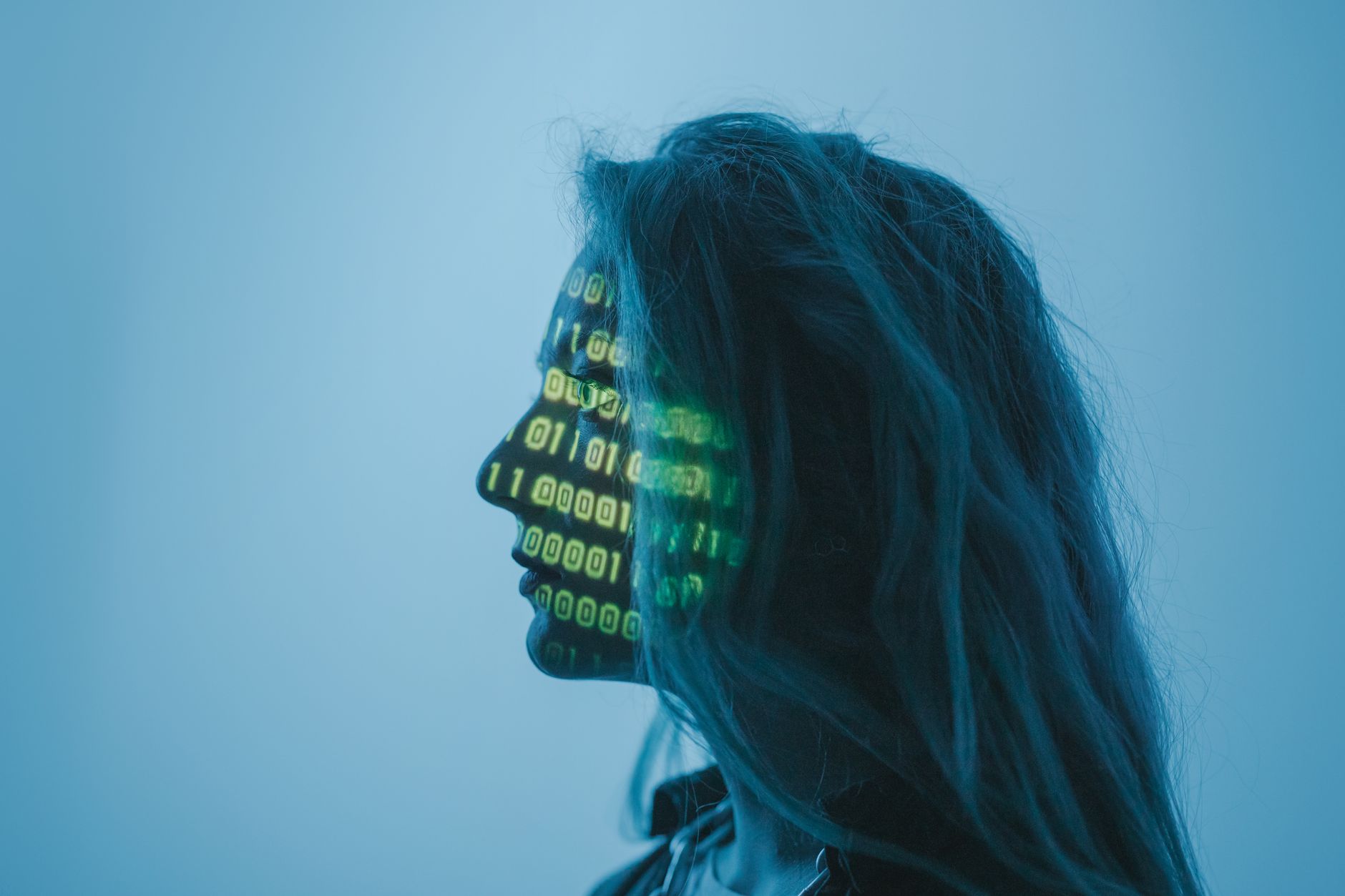
As artificial intelligence continues to evolve, so too does its application in malicious activities. Criminal organizations are harnessing the power of AI to create deepfake personas at an alarming scale, fundamentally changing the landscape of cybersecurity. This development raises critical concerns about the safety of personal information and the integrity of digital communications.
Key Takeaways
- Criminal groups are increasingly using AI-generated deepfakes to create realistic personas for scams.
- These advanced techniques can manipulate individuals into divulging sensitive information, posing severe risks to organizations and individuals alike.
- The rise of deepfake technology underscores the urgent need for robust cybersecurity measures and public awareness.
- Existing security protocols may be inadequate against sophisticated deepfake schemes, necessitating a rethink of traditional defense strategies.
- Collaboration between technology developers and cybersecurity experts is essential to mitigate these emerging threats effectively.
What Happened
Recent reports indicate that cybercriminals are employing AI to construct deepfake identities, allowing them to execute scams with unprecedented realism. These audio-visual fabrications can convincingly impersonate individuals, making it easier for criminals to manipulate their targets into revealing confidential information.
This trend is not isolated but rather part of a wider shift where technology is being weaponized against individuals and institutions. The scale at which these deepfake personas are being generated suggests a systematic effort by organized crime groups to enhance their operational capabilities, making them more effective and harder to trace.
Why This Matters
The implications of this shift towards AI-driven cybercrime are profound. As deepfake technology becomes more sophisticated, it blurs the lines between reality and deception, creating significant challenges for cybersecurity. Trust, a cornerstone of digital interaction, is being undermined as people become increasingly skeptical of the authenticity of communications.
Furthermore, this trend poses a dual threat: it not only endangers personal data but also threatens the integrity of institutions. For example, if a deepfake impersonates a high-ranking official within a company, it could lead to financial losses or data breaches that impact shareholders and customers alike. The potential for misuse of deepfake technology is extensive, necessitating immediate attention from regulators, cybersecurity experts, and businesses.
Background and Context
The concept of deepfake technology has been around for several years, primarily used in entertainment and media to create realistic fake representations of people. The tools that generate these deepfakes rely on machine learning algorithms that analyze vast amounts of data to mimic the voice, face, and mannerisms of individuals.
While initially viewed as a novelty, the rise of deepfake technology has raised red flags within the cybersecurity community. Reports of deepfake scandals, including manipulated videos in politics and entertainment, were mere precursors to the criminal applications we are witnessing today. As criminals refine their techniques, the potential for abuse continues to expand, prompting urgent calls for action.
Expert Analysis
The emergence of deepfake technology as a tool for cybercriminals represents a significant evolution in the hacker's toolkit. Traditional scams have relied on social engineering tactics such as phishing, where attackers pose as legitimate entities to extract information. However, the introduction of deepfakes adds a layer of sophistication that can bypass many existing security measures.
One of the most concerning aspects of deepfake technology is its ability to create emotional connections. Victims are more likely to respond positively to a realistic video or audio clip of someone they know, which can lead to unguarded conversations where sensitive information is revealed. This emotional manipulation is a powerful weapon in the hands of cybercriminals.
Furthermore, the accessibility of deepfake technology has lowered the barrier for entry into cybercrime. With minimal technical skills, criminals can utilize readily available tools to create convincing deepfakes, democratizing the potential for harm. This shift necessitates a comprehensive response from cybersecurity experts who must develop more sophisticated detection techniques to identify and neutralize deepfake-based threats.
What This Means for Businesses and Users
For businesses, the rise of deepfake technology means a reevaluation of security protocols. Organizations must educate employees about the risks associated with deepfakes and implement multi-factor authentication systems to verify identities before sharing sensitive information. Traditional approaches to cybersecurity may not suffice in this new landscape.
For individual users, it emphasizes the importance of vigilance. Recognizing the potential for deepfakes is crucial; users should be cautious about sharing personal information in digital communications, especially when they appear to come from known contacts. Public awareness campaigns about deepfake technology and its implications can help mitigate risks.
Frequently Asked Questions
What are deepfakes?
Deepfakes are synthetic media in which a person's likeness is replaced with someone else's in a video or audio clip, often using AI technology.
How can deepfakes be harmful?
Deepfakes can be used to impersonate individuals, leading to scams, misinformation, or reputational damage, posing serious risks to personal and organizational security.
What should I do if I suspect a deepfake?
If you suspect you are viewing a deepfake, verify the source of the content through trusted channels and avoid sharing any personal information until confirmation is achieved.
How are businesses responding to this threat?
Many businesses are enhancing their cybersecurity measures, including employee training on deepfake recognition, implementing advanced identity verification systems, and collaborating with cybersecurity firms to develop detection tools.
The Road Ahead
As AI continues to evolve, so will the methods employed by cybercriminals. The future landscape of cybersecurity will likely see an arms race between malicious actors developing increasingly advanced deepfakes and security professionals seeking to counteract these threats. Collaboration between AI developers and cybersecurity experts will be crucial in crafting solutions that can detect and neutralize deepfake threats before they cause harm.
Looking ahead, regulatory frameworks will need to adapt to address the challenges posed by deepfake technology. Policymakers must create guidelines that govern the ethical use of AI and the consequences for individuals or groups who exploit these technologies for malicious purposes. The balance between innovation and security will be paramount as society navigates this complex issue.