Cognition's Scott Wu: AI Coding Agents Should Enhance, Not Replace, Human Coders

In a world where technological advancements are rapidly reshaping industries, the role of artificial intelligence (AI) is increasingly coming into question, particularly in the realm of software development. Cognition’s Scott Wu, a prominent figure in this space, asserts that AI coding agents like Devin, while revolutionary, are not meant to replace human programmers. Instead, they should serve as tools that enhance human capabilities. This perspective raises crucial discussions about the future of programming, the evolving relationship between humans and machines, and the inherent value that human intuition and creativity bring to software development.
Key Takeaways
- Scott Wu emphasizes that AI coding agents like Devin should complement human programmers rather than replace them.
- The coding landscape is evolving, with AI tools designed to streamline tasks and improve productivity.
- Human intuition, creativity, and experience remain irreplaceable components of effective programming.
- The integration of AI into coding practices poses both opportunities and challenges for developers.
- Future collaborations between AI and human programmers could lead to more innovative solutions in software development.
Understanding Cognition's Devin
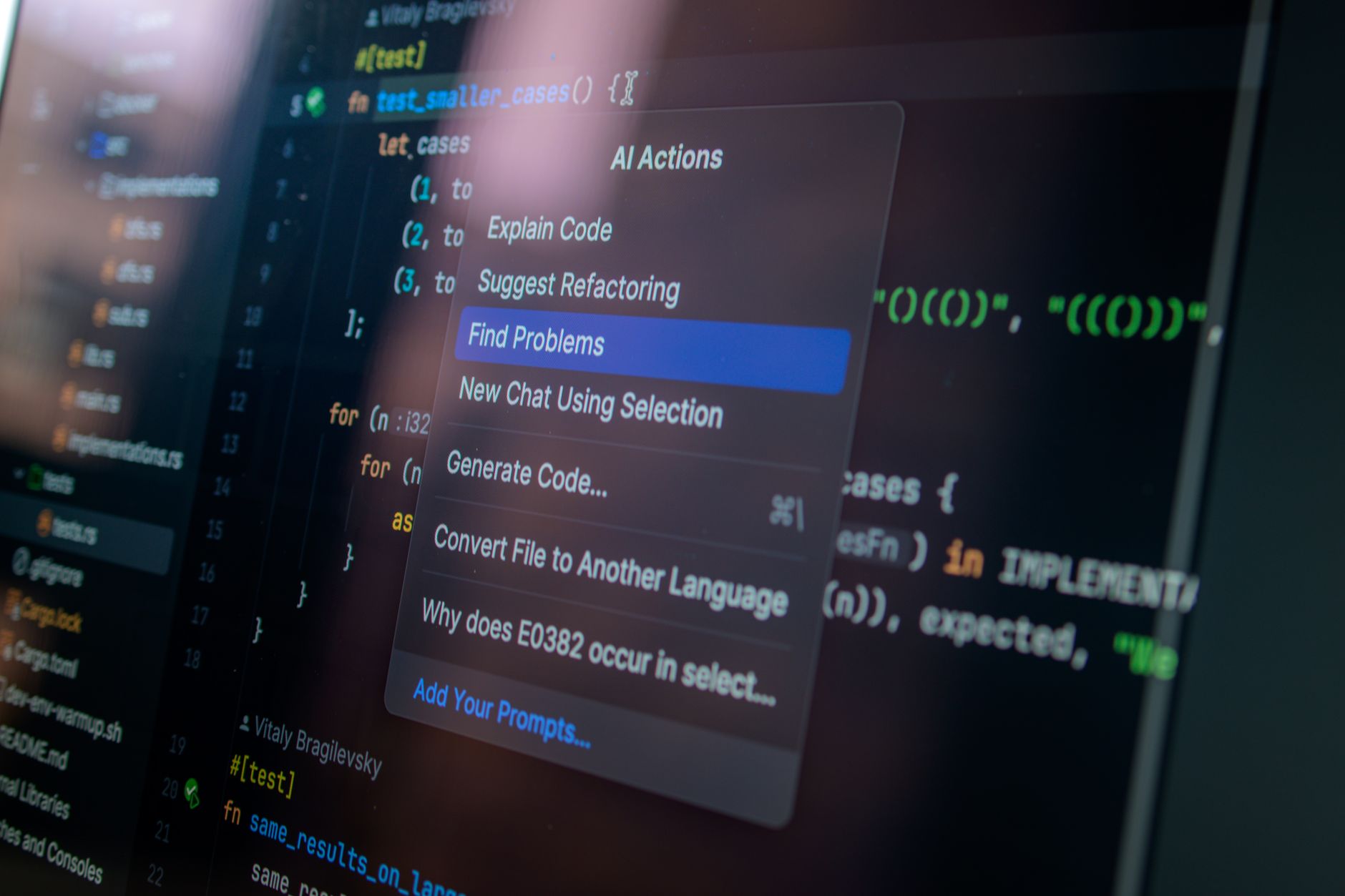
Cognition has introduced Devin, touted as the first and arguably the most successful AI coding agent in the market. This innovative tool is designed to handle various coding tasks, from generating code snippets to debugging and optimizing existing code. Devin's capabilities are powered by advanced machine learning algorithms that analyze vast amounts of code and can adapt to the specific needs of users. Wu's assertion that this technology should not replace human programmers highlights an essential discussion: while AI can assist in coding, the human element remains vital.
Devin operates on the premise of enhancing productivity. By automating repetitive tasks and providing suggestions based on best practices, Devin allows programmers to focus on more complex, high-level problem-solving. This shift in focus from mundane tasks to strategic thinking can lead to greater innovation and efficiency in software development. Wu's insights suggest that rather than fearing obsolescence, programmers should embrace these AI tools as partners in the coding process.
Why This Matters
The implications of Wu's perspective extend beyond individual developers to the entire tech industry. As companies increasingly adopt AI-driven tools, the nature of coding jobs will inevitably change. Organizations that integrate AI efficiently may gain a competitive edge, driving innovation and improving software quality. However, this shift also raises concerns about job displacement and the need for reskilling the workforce.
Moreover, the relationship between AI and human programmers will evolve, leading to new dynamics in collaboration. An environment where AI assists rather than replaces human intelligence can enhance creativity and problem-solving capabilities. In this context, Wu's argument resonates with a growing belief in the augmented workforce, where AI enhances human abilities rather than undermines them.
Background and Context
The emergence of AI in software development is not an isolated phenomenon. Over the past decade, programming has evolved from a manual, labor-intensive process to one that increasingly leverages automation and AI. The advent of advanced machine learning and natural language processing (NLP) has enabled tools like Devin to understand and generate code more effectively than ever before.
Historically, coding required extensive training and expertise. The introduction of integrated development environments (IDEs) and code repositories revolutionized the landscape, allowing developers to collaborate and share code more efficiently. With AI coding agents, this trend has accelerated, promising to further democratize access to programming skills and reduce barriers to entry. Wu’s position that AI should complement rather than replace human intelligence is rooted in this historical progression, advocating for a future where both entities can flourish together.
Expert Analysis
Wu's assertion that AI coding agents should not supplant human programmers is grounded in a nuanced understanding of both technology and human creativity. While Devin can handle numerous coding tasks, it lacks the intuition and nuanced understanding that human programmers bring to their work. For example, while AI can analyze code patterns and suggest optimizations, it may struggle with understanding the broader context of a project — including business goals, user needs, and long-term maintenance considerations.
The strongest applications of AI in coding will likely involve hybrid workflows where human developers and AI collaborate seamlessly. This partnership can lead to improved outcomes, as developers leverage AI for its strengths while applying their creativity and critical thinking to complex challenges. Wu's insights highlight the importance of maintaining this balance, as relying solely on AI could lead to a dilution of the rich, iterative process that defines effective software development.
Furthermore, the discussion around AI in coding evokes ethical considerations. As AI becomes more integrated into the coding process, issues related to accountability, bias, and transparency must be addressed. The coding community must grapple with the implications of AI-generated code and the potential for unintended consequences. Wu's call for human oversight in the development process emphasizes the need for a responsible approach to AI integration, ensuring that technology serves as a tool for empowerment rather than a source of risk.
What This Means for Developers
For developers, Wu's insights carry practical implications. Embracing AI coding agents like Devin can lead to enhanced productivity and efficiency, allowing developers to redirect their focus towards more complex tasks. However, it also requires a shift in mindset. Developers must view these tools as collaborators rather than threats, understanding that their unique skills and creativity remain central to the coding process.
Moreover, the landscape is shifting towards continuous learning and adaptation. As AI tools evolve, developers must stay abreast of new technologies and methodologies to remain competitive. This may involve investing time in learning how to effectively collaborate with AI, understanding its capabilities, and recognizing its limitations. The ability to leverage AI tools can become a differentiating factor in the job market, making it essential for developers to cultivate a mindset of lifelong learning.
Frequently Asked Questions
1. Will AI coding agents replace human programmers in the future?
No, AI coding agents like Devin are designed to complement human programmers by automating repetitive tasks and improving productivity, not to replace them entirely.
2. How can human programmers benefit from using AI coding agents?
Human programmers can benefit from AI coding agents by focusing on high-level problem-solving, enhancing creativity, and improving efficiency in their work through automation of mundane tasks.
3. What skills should developers focus on to stay relevant with AI integration?
Developers should focus on skills such as critical thinking, creativity, and the ability to collaborate with AI tools. Continuous learning about emerging technologies is also essential.
4. Are there ethical concerns regarding the use of AI in coding?
Yes, ethical concerns include accountability for AI-generated code, potential biases in AI algorithms, and the importance of maintaining transparency in the coding process.
The Road Ahead
The future of coding lies at the intersection of human creativity and artificial intelligence. As tools like Devin continue to evolve, the programming landscape will fundamentally change. Wu's vision of a collaborative relationship between AI and human developers suggests a future where technology enhances rather than replaces human input. This partnership will likely yield innovative solutions, streamline workflows, and foster a new wave of creativity in software development.
Looking ahead, the industry must prioritize ethical considerations and responsible AI integration to navigate the complexities of this evolving relationship. As AI becomes more pervasive in coding, the emphasis on human oversight, accountability, and continuous learning will be paramount. By embracing these principles, the programming community can harness the power of AI while safeguarding the integrity and creativity that define effective software development.