Z.AI's New Data Center Marks a Shift in AI Chip Innovation
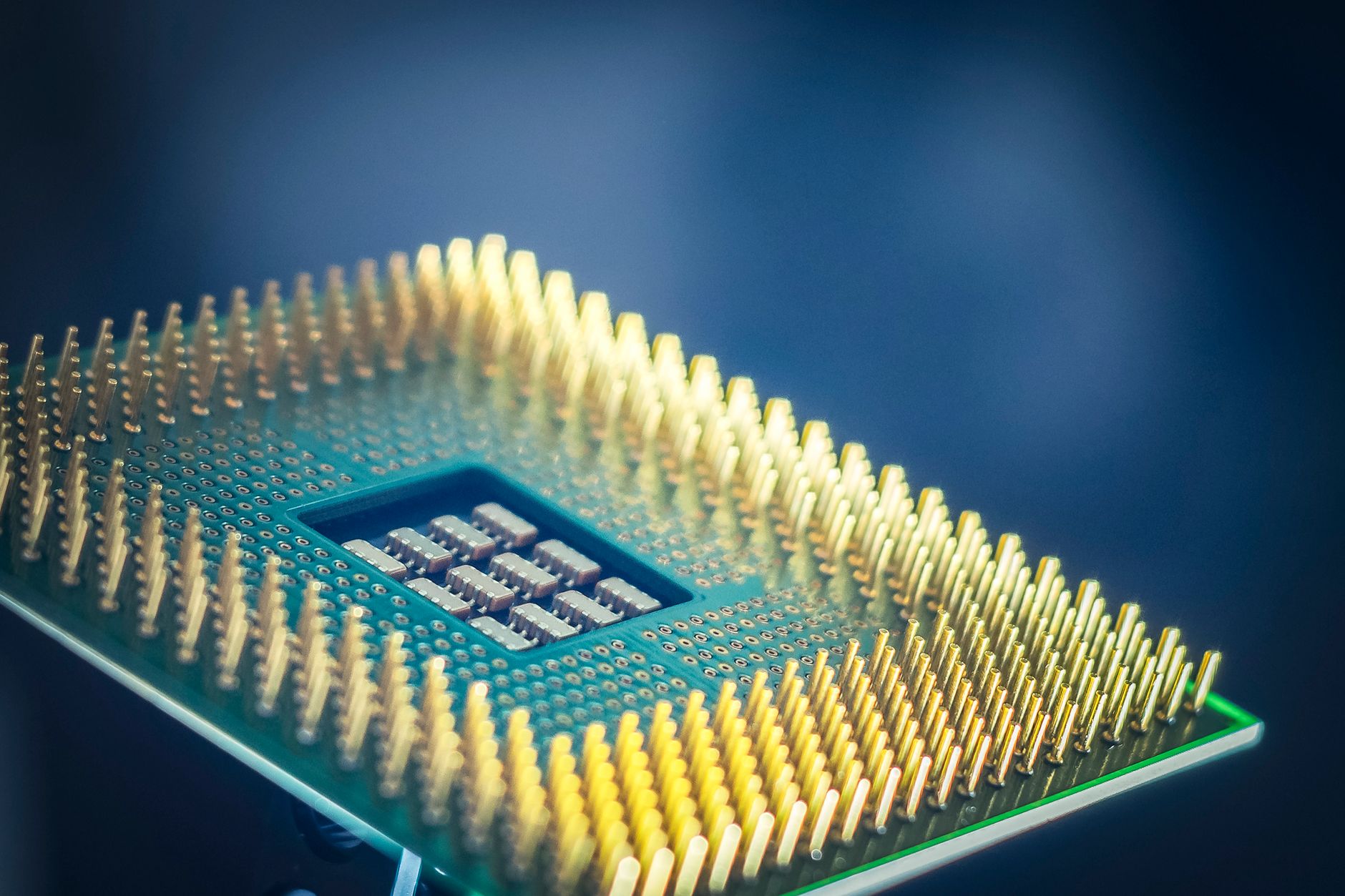
In a significant development for the artificial intelligence landscape, Z.AI has completed the construction of a massive data center that exclusively utilizes Chinese-made chips. This move not only underscores China’s ambitions to bolster its AI capabilities but also marks a pivotal shift in the geopolitical dynamics of technology supply chains. As the US government continues to impose restrictions on technology exports, particularly those related to artificial intelligence, Z.AI’s decision highlights the urgency with which China is seeking to cultivate its own technology ecosystem.
Key Takeaways
- Z.AI's new data center is exclusively powered by Chinese-made chips, representing a strategic pivot in AI hardware development.
- This initiative aligns with China's goal to become self-sufficient in advanced technologies amidst increasing geopolitical tensions.
- The center aims to enhance Z.AI's capacity to train AI models, potentially influencing global AI competitiveness.
- This move may prompt other tech companies to reconsider their reliance on Western technologies.
- The shift could reshape the landscape of AI development, particularly in sectors such as cloud computing and machine learning.
Z.AI's Strategic Move: What Happened
Z.AI has taken a considerable leap forward by completing its state-of-the-art data center equipped solely with Chinese-made chips. This facility is expected to significantly enhance the company's ability to train sophisticated AI models, positioning it as a key player in China's rapidly growing AI sector. The decision to utilize only domestically produced chips reflects a broader strategy by the Chinese government to mitigate its dependence on foreign technology, particularly in light of ongoing trade tensions with the United States.
With the US government implementing stringent export controls on advanced semiconductors, including those produced by leading companies like Nvidia, Z.AI’s venture into using Chinese chips represents a calculated response to these restrictions. The data center's completion is not merely an operational milestone; it is emblematic of a larger narrative of technological sovereignty that China is actively pursuing. By harnessing local chip technology, Z.AI aims to demonstrate that it can achieve comparable, if not superior, performance to that of its Western counterparts.
Why This Matters
The establishment of Z.AI's data center is significant for several reasons. First and foremost, it illustrates a growing trend where nations are striving for technological self-sufficiency. As geopolitical tensions escalate, countries are increasingly recognizing that reliance on foreign technology can pose risks to their national security and economic stability. The completion of this facility underscores China’s commitment to fostering its indigenous technology sector, particularly in critical areas like artificial intelligence.
Furthermore, the implications for global AI competitiveness are profound. If Z.AI can successfully leverage its Chinese-made chips to develop advanced AI models, it may level the playing field against established players in the US and elsewhere. This shift could lead to a race for technological superiority, with implications for various sectors, including healthcare, finance, and national security.
Background and Context
The quest for advanced semiconductor technology has been at the forefront of global economic and political discourse for several years now. The US's strategic restrictions on semiconductor exports, particularly to China, have intensified the urgency for countries like China to develop their own technologies. The chip industry is essential for AI development, as high-performance chips are required to process vast amounts of data and train machine learning models effectively.
China has been investing heavily in its semiconductor industry through initiatives like the Made in China 2025 policy, aiming to reduce reliance on foreign technology and increase domestic production capabilities. Z.AI’s move to build a data center powered by Chinese chips is a manifestation of this ambition, indicating a significant milestone in China’s journey toward technological independence.
Expert Analysis
From a technological perspective, the implications of Z.AI’s data center extend beyond mere chip usage; they touch upon the broader dynamics of AI training methodologies and model performance. By dedicating a facility to Chinese-made chips, Z.AI is not just demonstrating a shift in sourcing; it's also making a statement about the potential of these chips to handle complex AI workloads. The performance metrics of these chips will be closely scrutinized, as they will determine whether Z.AI can compete with Western technology effectively.
Moreover, this move may catalyze a shift in the AI landscape, encouraging other companies and nations to pursue similar strategies. As Z.AI becomes a case study in leveraging domestic technology for AI development, we may see a ripple effect where other firms either in China or elsewhere begin to explore local alternatives to Western chips. This potential shift could alter the competitive landscape of AI, leading to innovations that might not have emerged under the traditional reliance on established Western vendors.
What This Means for the AI Industry
For the AI industry, the establishment of Z.AI's data center has several practical implications. First, it signals that companies must be agile and adaptive in their technology strategies. As geopolitical tensions shape the technology landscape, firms might need to reassess their supply chains and consider diversifying their sources of hardware and software. This could drive innovation within local markets, as companies strive to develop competitive technologies capable of meeting the demands of modern AI applications.
Additionally, Z.AI's initiative may serve as a blueprint for other tech companies navigating similar challenges. As they face restrictions on certain technologies, the demand for homegrown solutions may increase, prompting investments in local research and development initiatives. The ramifications could lead to a more diversified technological ecosystem where countries invest in their unique strengths while fostering international collaborations that are less vulnerable to geopolitical strife.
Frequently Asked Questions
What types of chips are being used in Z.AI's data center?
Z.AI's data center is powered exclusively by Chinese-made chips, which are designed to train advanced AI models. The specific types of chips have not been disclosed, but they are expected to meet the performance requirements necessary for complex AI workloads.
How will this impact the global AI landscape?
The completion of Z.AI's data center could level the playing field in the global AI landscape, allowing China to compete more effectively with Western tech giants. If successful, this initiative may inspire other countries to invest in their indigenous technologies, potentially reshaping the dynamics of AI development worldwide.
What are the implications for US-China relations?
This move is likely to exacerbate tensions between the US and China, as it highlights China's efforts to achieve technological independence from Western suppliers. As each country strives for dominance in AI and related technologies, the geopolitical landscape may become even more complex.
Will other companies follow Z.AI's lead?
It is possible that other companies, particularly in countries facing similar restrictions, will look to Z.AI’s model as a way to mitigate risks associated with dependence on foreign technology. This trend could lead to increased investments in local technology development across the globe.
The Road Ahead
The completion of Z.AI's data center marks a notable moment in the evolution of AI technology, particularly in the context of geopolitical tensions and trade restrictions. As China seeks to assert its technological prowess, the ability of Z.AI to leverage its new facility effectively will be a critical factor in determining its competitive edge. If successful, Z.AI could redefine the benchmarks for AI training capabilities, potentially altering the global landscape in profound ways.
Looking forward, the AI industry must prepare for a future where local technologies play an increasingly pivotal role. As nations invest in developing their technology ecosystems, the dynamics of innovation and competition will shift, paving the way for new players and technologies to emerge. The road ahead will require agility, adaptability, and a willingness to embrace change as the world navigates this complex technological landscape.
Sources and Further Reading
Related
 UK ministers explore compulsory AI safety reporting
 Fixated on AI, the world has forgotten what is staring it in the face: nuclear annihilation | Simon Tisdall
 Danu Robotics’ fight to build a better recycling robot
 Trump hosts awards party for tech billionaires, almost as if he doesn’t care about ordinary Americans