Empowering Workers: The Need for Greater Influence in AI Rollout
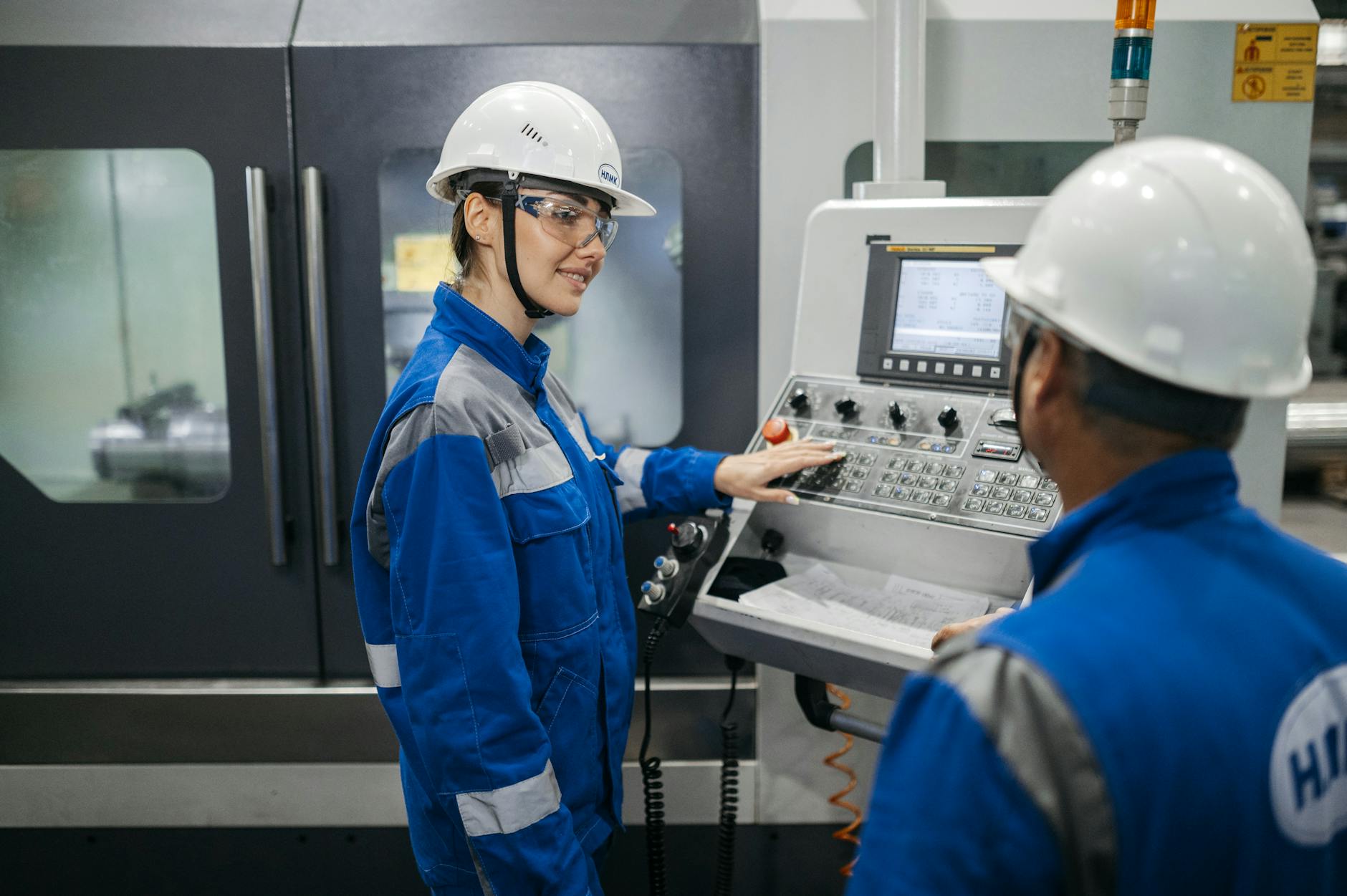
As artificial intelligence continues to reshape industries and redefine the workforce, a new report from the Institute for Public Policy Research (IPPR), backed by the Trades Union Congress (TUC), presents a compelling call to action. It asserts that workers must be granted greater influence over how AI technologies are implemented in their workplaces. This pivotal moment in history, marked by rapid technological advancement, offers both opportunities and challenges, making it essential for the workforce to have a voice in these changes.
Key Takeaways
- Workers need increased bargaining power to ensure fair benefits from AI adoption.
- The IPPR report highlights the importance of employee influence at this crucial juncture in work history.
- New measures are proposed to ensure that the benefits of AI are equitably shared among all stakeholders.
- A collaborative approach between management and employees is crucial for ethical AI integration.
- Failure to involve workers could lead to increased disparity and dissatisfaction in the workplace.
The Urgency of Worker Influence in AI Deployment
The IPPR's report emerges at a time when AI technologies are rapidly proliferating across various sectors, fundamentally altering job roles, responsibilities, and the nature of work itself. As companies increasingly adopt AI solutions to enhance productivity and efficiency, the need for employees to have a say in these transitions has never been more urgent. The report emphasizes that without sufficient worker influence, there is a risk that the benefits of AI will disproportionately favor employers and lead to a widening gap between those who wield technology and those who are subjected to it.
At a moment when discussions around labor rights and fair working conditions are gaining momentum, the IPPR’s findings resonate deeply with ongoing movements advocating for worker empowerment. The report posits that enhancing employee influence over AI deployment not only ensures a fairer distribution of rewards but also fosters a more equitable and innovative workplace environment.
Why This Matters
The implications of AI integration extend far beyond technological advancements. By prioritizing worker influence, businesses can cultivate a sense of ownership and responsibility among employees regarding the technologies they use. This can lead to higher job satisfaction, improved morale, and ultimately, better organizational performance. When workers feel heard and valued, they are more likely to contribute positively to the organization’s goals.
Moreover, increased employee involvement in AI decisions can help mitigate fears surrounding job displacement. By actively engaging in discussions about the implementation of AI tools, workers can gain insights into how these technologies will impact their roles, paving the way for retraining opportunities and upskilling initiatives that empower them rather than threaten their livelihoods. The report underscores that a collaborative approach is not just beneficial; it is essential for fostering a sustainable future of work.
Background and Context
The conversation surrounding the influence of technology on labor is not new. Historically, technological advancements have disrupted labor markets, often leading to fears of job loss and economic inequality. The industrial revolution, for instance, saw workers displaced by machines, prompting labor movements that fought for workers’ rights and protections. Today, as AI stands poised to revolutionize the workforce once more, the narrative must shift towards proactive engagement rather than reactive measures.
As AI systems have evolved from basic automation to sophisticated decision-making tools, the stakes have risen significantly. The potential for AI to enhance productivity and innovation is matched by the risk it poses to job security and workforce morale. According to a 2023 report by McKinsey, it is estimated that by 2030, up to 375 million workers (about 14% of the global workforce) may need to switch occupational categories due to automation, underscoring the urgent need for involvement in AI-related decisions.
Expert Analysis
Engaging workers in discussions about AI implementation is not merely a matter of ethical governance; it is a strategic necessity. From an organizational standpoint, involving employees in the decision-making process allows for a broader range of perspectives, leading to more holistic solutions that account for various stakeholder needs. Employees are often the frontline users of AI tools and can provide invaluable insights into the potential challenges and benefits of these systems.
Furthermore, the report’s emphasis on bargaining power highlights a critical issue: the imbalance of power that often exists between employers and employees in the face of technological change. As organizations adopt AI technologies, workers must be equipped with the tools and platforms necessary to advocate for their rights and interests. This could involve establishing formal channels for feedback, providing training on digital literacy, and ensuring representation in decision-making bodies.
Moreover, the role of unions and worker representation is paramount in this context. Unions can serve as a powerful voice for workers, negotiating terms that ensure fair treatment and equitable sharing of the benefits derived from AI technologies. The TUC’s backing of the report signals a recognition of this need and a commitment to advocating for workers’ rights in the face of rapid technological change.
What This Means for Workers, Employers, and Developers
The implications of this report are significant for all stakeholders in the AI landscape. For workers, it represents an opportunity to reclaim agency over their work environments, ensuring that their voices are heard in decisions that directly affect their livelihoods. Workers who engage in discussions about AI deployment can advocate for their interests and shape a future that reflects their values and needs.
For employers, fostering an environment of collaboration and transparency can lead to increased employee engagement and loyalty. By integrating worker feedback into AI strategies, organizations can mitigate resistance and build trust, ultimately enhancing the chances of successful implementation. Employers who prioritize employee involvement in AI deployment will not only benefit from improved morale but also from innovative solutions that arise from diverse perspectives.
For AI developers, understanding the human element is crucial. As they design and deploy AI systems, they must consider the potential impact on end-users, ensuring that these technologies are designed with user needs in mind. Engaging directly with workers during the development process can lead to more effective and user-friendly solutions, ultimately driving better adoption rates.
Frequently Asked Questions
Why is increased worker influence in AI rollout necessary?
Increased worker influence is essential to ensure that the benefits of AI technologies are shared fairly among all stakeholders. It enables employees to voice their concerns, advocate for their rights, and actively participate in shaping the technologies that impact their work lives.
What measures can companies implement to boost employee influence?
Companies can establish formal channels for feedback, involve employees in decision-making processes, and provide training on digital literacy to empower workers. Collaboration with unions can also enhance employee representation in discussions about AI deployment.
How can unions play a role in AI adoption?
Unions can advocate for workers’ rights during AI implementation, negotiate fair terms, and ensure that employee perspectives are considered in decision-making processes. They can serve as a collective voice for workers, facilitating dialogue between management and employees.
What are the risks of not involving workers in AI decisions?
Failure to involve workers in AI decisions can lead to increased job dissatisfaction, resistance to new technologies, and a widening gap between workers and management. It may also result in inequitable distribution of AI benefits, fueling economic disparities.
The Road Ahead
As we look to the future, the relationship between workers and AI technologies will continue to evolve. The push for greater worker influence represents a crucial step towards creating a more equitable and sustainable work environment. Organizations that embrace this change will not only enhance employee satisfaction but also drive innovation and productivity in a rapidly changing landscape.
In the coming years, it will be essential for both employers and employees to engage in ongoing dialogues about the implications of AI. By fostering a culture of collaboration and transparency, businesses can harness the full potential of AI technologies while ensuring that all workers share in the benefits. The journey towards an inclusive and equitable future of work begins with a commitment to listening to and empowering the voices of those who matter most—the workers themselves.