Uber Halts European Expansion Amid Delivery Hero Acquisition Plans
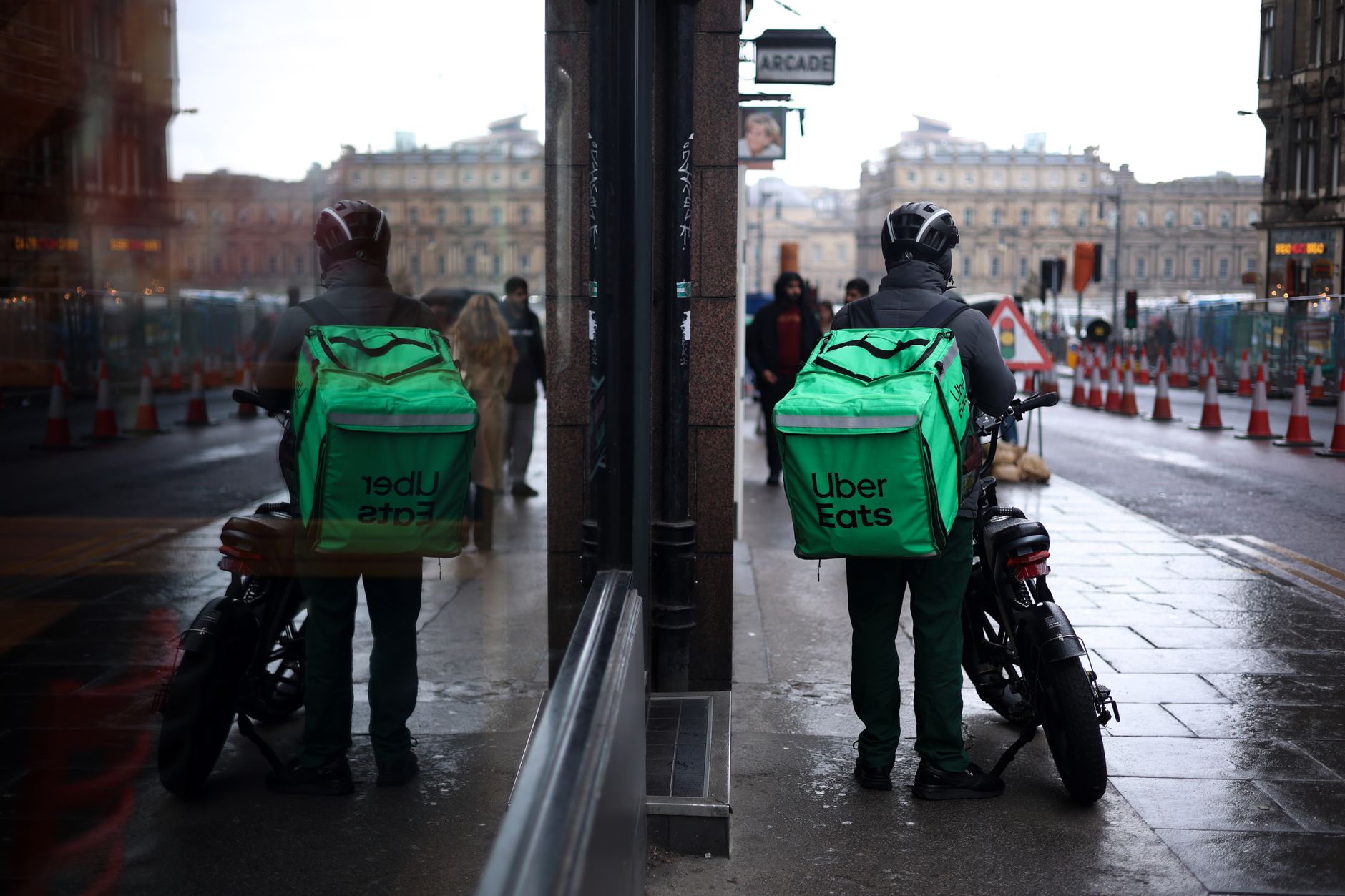
In a surprising strategic pivot, Uber has decided to halt its planned expansion into five of the seven European markets it intended to enter this year. This decision comes as the ride-hailing giant refocuses its efforts on a potential acquisition of Delivery Hero, a significant player in the food delivery sector. The implications of this move are profound, not only for Uber's trajectory but also for the competitive landscape of food delivery services across Europe.
Key Takeaways
- Uber cancels plans for expansion into five of its seven targeted European markets in 2023.
- The decision is influenced by ongoing negotiations for acquiring Delivery Hero, which has a substantial market presence.
- This strategic shift reflects Uber's need to consolidate resources amidst growing competition in food delivery.
- Potential impacts on Uber's market share and customer acquisition strategies are significant.
- The move raises questions about the future of food delivery competition in Europe.
What Happened?
Uber's recent announcement to stall its expansion plans in Europe marks a significant shift in strategy for the ride-hailing and food delivery giant. Initially, the company had ambitious plans to enter seven new markets this year, aiming to strengthen its position against competitors like Deliveroo and Just Eat Takeaway. However, the company has now decided to forgo five of those planned markets.
This decision is closely tied to Uber's ongoing pursuit of acquiring Delivery Hero, which has been a major player in the European food delivery market. The acquisition could allow Uber to consolidate its operations and leverage Delivery Hero's extensive existing infrastructure, customer base, and local market knowledge. The negotiations for this potential takeover are said to be in advanced stages, raising questions about the strategic considerations that led to this sudden pivot.
Why This Matters
The implications of Uber's decision are far-reaching. First and foremost, it reflects a growing recognition within Uber of the intense competition in the European food delivery market. By halting its plans to enter new markets, Uber is signaling to investors and consumers alike that it is prioritizing stability over rapid expansion. This strategic redirection can help the company allocate its resources more effectively, especially during a time when the food delivery industry is facing pressures from rising costs and changing consumer habits.
Furthermore, the potential acquisition of Delivery Hero could significantly alter the competitive landscape. If successful, Uber would not only gain access to Delivery Hero's extensive network but also its established customer loyalty programs and partnerships with local restaurants. This move could enhance Uber's standing against its rivals and potentially lead to a more consolidated food delivery industry in Europe.
Background and Context
Uber's journey into food delivery began in earnest with the launch of Uber Eats in 2014, capitalizing on its existing ride-hailing infrastructure. Since then, the company has aggressively pursued market share in various regions, including Europe, where it has faced stiff competition from established players such as Deliveroo and Just Eat Takeaway. The entry into new markets has often been met with regulatory challenges, fierce competition, and evolving consumer preferences.
The European food delivery market has undergone significant changes over the past few years, with the COVID-19 pandemic accelerating the shift towards online ordering. As dining habits changed, the demand for food delivery surged, prompting companies to invest heavily in their logistics and technology. However, this growth has also led to overcrowding and price wars, forcing companies to reassess their strategies in light of market saturation.
Expert Analysis
From an analytical perspective, Uber's decision to stall its European expansion can be viewed as a prudent response to a rapidly evolving market landscape. The food delivery sector is characterized by fluctuating customer preferences and rising operational costs, making it imperative for companies to adapt quickly. By focusing on acquiring Delivery Hero, Uber is not only enhancing its competitive position but also minimizing risks associated with entering new markets.
Furthermore, the potential acquisition indicates a strategic shift towards consolidation, which could become a defining feature of the food delivery industry in Europe. As companies grapple with profitability and sustainability, mergers and acquisitions may emerge as a viable strategy for growth. Uber's move could set a precedent for other players in the industry, encouraging them to explore similar paths to strengthen their market positions.
What This Means for Users, Developers, and the Industry
For users, the slowdown in expansion could mean a more stable and refined service offering in existing markets. Uber's focus on integrating Delivery Hero's operations may lead to improved delivery times, a broader selection of restaurants, and potentially better prices as the company optimizes its logistics. This consolidation could enhance the overall user experience and ensure that customers receive value for their money.
Developers within the food delivery tech space may also see opportunities arising from this shift. With Uber's focus on acquiring Delivery Hero, there may be increased demand for technology solutions that facilitate integration and streamline operations. Developers working on logistics, customer engagement, and data analytics will likely find themselves in a favorable position as companies seek to enhance efficiency and user satisfaction in a competitive landscape.
Frequently Asked Questions
Why did Uber decide to halt its European expansion plans?
Uber's decision to halt its European expansion is primarily driven by its ongoing negotiations to acquire Delivery Hero. The company is focusing its resources on consolidating its operations rather than entering new markets at this time.
What are the implications of the Delivery Hero acquisition for Uber?
If the acquisition proceeds successfully, Uber could gain access to Delivery Hero's established customer base, local partnerships, and extensive market knowledge, enhancing its competitive position in the European food delivery sector.
How will this affect competition in the food delivery market?
This move may lead to increased consolidation in the food delivery market, as companies like Uber and Delivery Hero seek to strengthen their positions against competitors. It could also result in improved services for users as companies focus on optimizing their operations.
What does this mean for consumers using Uber Eats?
Consumers can expect a more stable service offering in existing markets, with potential improvements in delivery times, restaurant selection, and pricing as Uber integrates Delivery Hero's operations.
The Road Ahead
Looking forward, Uber's strategic pivot could pave the way for a more consolidated food delivery market in Europe. As the company focuses on the potential acquisition of Delivery Hero, we can anticipate significant changes in the competitive landscape. This consolidation may lead to a more streamlined service model, benefiting users as companies leverage shared resources and technology.
Ultimately, the success of this strategic shift will depend on how effectively Uber can integrate Delivery Hero's operations and navigate the complexities of the European market. As the food delivery sector continues to evolve, Uber's actions will likely serve as a bellwether for other companies considering similar strategies. The coming months will be crucial for understanding the long-term implications of this pivotal decision.