Trump's Approval of Nvidia Chip Sales to China: A Complex Impasse
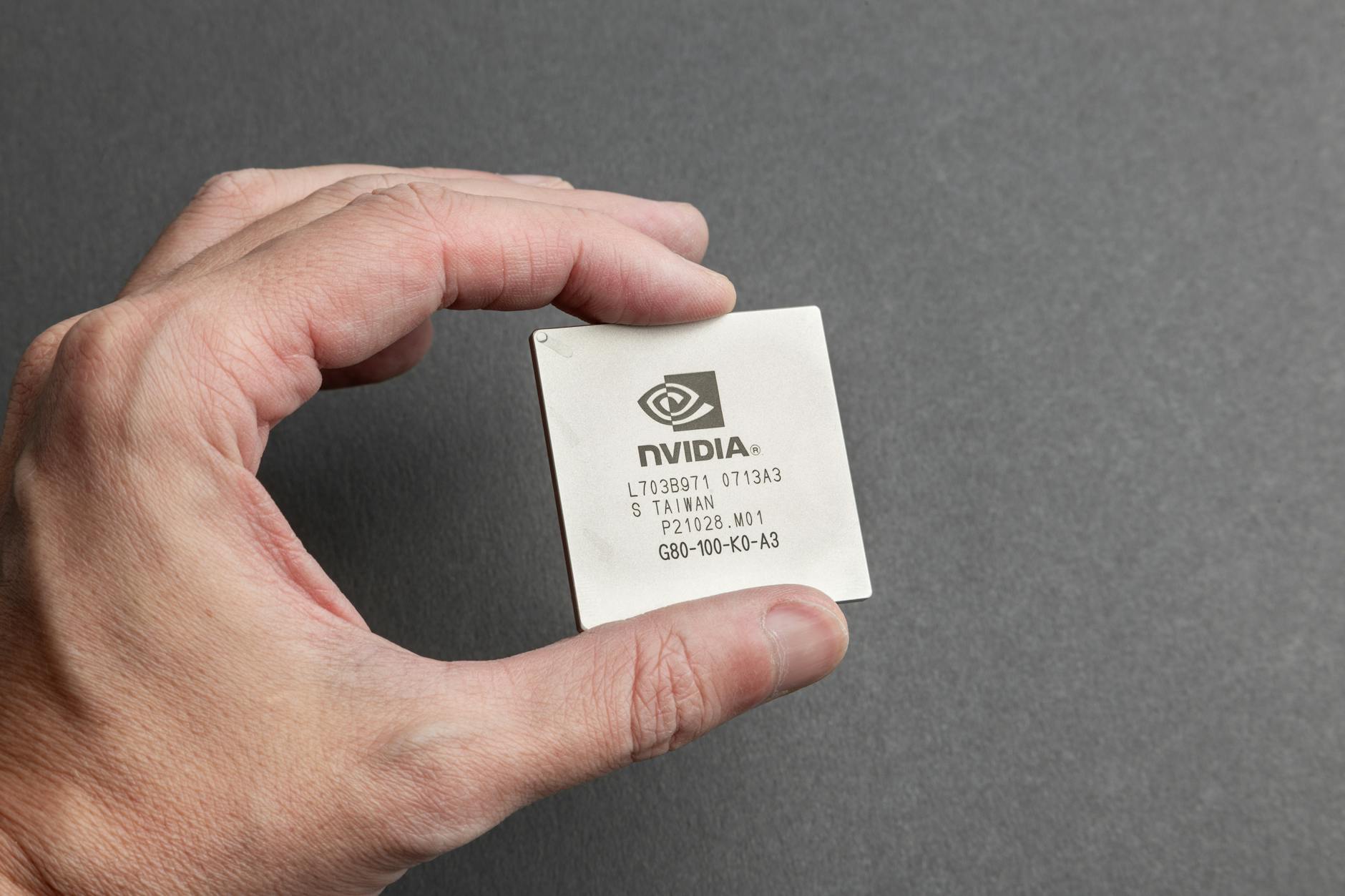
The recent approval by former President Trump for Nvidia to sell its H200 chip to China raises eyebrows and questions not only about U.S.-China relations but also about the future of artificial intelligence (AI) in both countries. Despite the green light, Chinese companies have not purchased a single unit of this advanced chip, indicating a deeper disconnect between political decisions and market realities.
Key Takeaways
- The H200 chip, designed for enhanced AI capabilities, has been approved for sale to China but remains unsold.
- Geopolitical tensions between the U.S. and China are influencing the tech industry's market dynamics.
- China's hesitation reflects broader concerns about dependency on foreign technology.
- Nvidia's market strategy must adapt to the changing landscape of AI and global tech competition.
- The situation underscores the complexities of international trade in high-tech sectors.
The H200 Chip and Its Significance
Nvidia's H200 chip represents the pinnacle of AI processing technology, boasting powerful capabilities that could significantly enhance China's AI ambitions. This chip is designed to handle complex computations at unprecedented speeds, making it a sought-after tool for industries ranging from finance to healthcare. Trump’s approval for its sale was seen as a potential breakthrough in U.S.-China tech cooperation.
However, in a surprising turn, not a single H200 chip has been sold in China since the approval. This situation raises critical questions about the underlying motivations of both U.S. policymakers and Chinese tech companies. Why would Chinese firms, eager to advance their AI technologies, choose to forgo a state-of-the-art chip?
Why This Matters
The implications of this situation extend far beyond the financial losses for Nvidia. It highlights the growing rift between the U.S. and China in the tech arena. As both nations vie for dominance in AI, decisions made in the political sphere directly impact the commercial landscape. The reluctance of Chinese companies to purchase the H200 chip signals a strategic shift where technological self-sufficiency is becoming a priority.
This dynamic also serves as a reflection of national security concerns, where both nations are wary of any dependency on foreign technology that might compromise their sovereignty. The geopolitical stakes involved mean that the sale of advanced technology is not merely a commercial transaction but a matter of national interest and security.
Background and Context
The relationship between the U.S. and China in the tech sector has been fraught with tension for years. From trade wars to export bans and sanctions, the two countries have been locked in a battle for technological dominance. In recent years, the U.S. has increasingly scrutinized Chinese tech firms, citing security concerns, particularly in areas like telecommunications and artificial intelligence.
The emergence of AI as a critical driver of economic growth has intensified this competition. China has invested heavily in AI research and development, aiming to become a global leader by 2030. The H200 chip was seen as a potential catalyst in this ambition, but the political implications of its sale complicate its market potential.
Expert Analysis
To understand the lack of sales of the H200 chip in China, one must consider both market sentiment and strategic priorities of Chinese firms. The reluctance to purchase the chip may stem from a combination of factors, including national pride, regulatory hurdles, and the desire for self-sufficiency in technology.
Chinese tech companies are acutely aware of the geopolitical climate and may be hesitant to rely on American technology. This wariness reflects a broader trend towards domestic innovation and the development of homegrown alternatives. Firms such as Huawei and Alibaba are investing in their AI capabilities, aiming to reduce reliance on foreign firms.
Additionally, the approval from Trump, a polarizing figure, may have further complicated the situation. Some Chinese companies may view this as a politically motivated decision rather than a purely economic opportunity. This skepticism could lead to a reluctance to engage in transactions that could be perceived as aligning with U.S. interests.
What This Means for the Tech Industry
The implications of this situation are profound for the tech industry as a whole. For Nvidia, the inability to sell its H200 chip in China could mean a reevaluation of its market strategy. The company may need to consider diversifying its offerings or targeting other markets where demand for advanced AI technology is more robust.
Moreover, this scenario highlights the importance of adaptability in the tech sector. Companies must navigate an increasingly complex landscape where geopolitical considerations play a critical role in market dynamics. As tensions between the U.S. and China continue to evolve, firms in the tech space will need to be agile, anticipating shifts in policy and market sentiment.
Frequently Asked Questions
Why has China not purchased the H200 chip despite its approval?
China's reluctance to purchase the H200 chip can be attributed to national security concerns, a desire for technological self-sufficiency, and skepticism towards U.S. policies.
What are the implications of this situation for Nvidia?
Nvidia may need to adapt its market strategy, focusing on regions with fewer geopolitical tensions and exploring partnerships that align with local interests.
How does this situation reflect broader U.S.-China relations?
This situation underscores the complexities of U.S.-China relations, revealing how technology has become a central battleground in their geopolitical rivalry.
What does the future hold for AI development in China?
China is likely to continue investing in domestic AI technologies, fostering innovation to reduce reliance on foreign chips and enhancing its global competitiveness.
The Road Ahead
Looking ahead, the situation surrounding Nvidia's H200 chip serves as a microcosm of the larger geopolitical landscape. As tensions between the U.S. and China continue to simmer, the tech industry will experience increasing pressures to adapt to a world where market decisions are closely intertwined with national interests. Companies that can successfully navigate this environment will be better positioned for success, while those that cannot may find themselves at a disadvantage.
In the long run, the drive for technological self-sufficiency in China may lead to the emergence of new competitors in the AI space, challenging established players like Nvidia. As both nations continue to invest in their respective AI capabilities, the focus will likely shift towards innovation and homegrown solutions, altering the competitive landscape of the tech industry globally.