Tesla Launches 'Full Self-Driving (Supervised)' in China: A Game Changer?
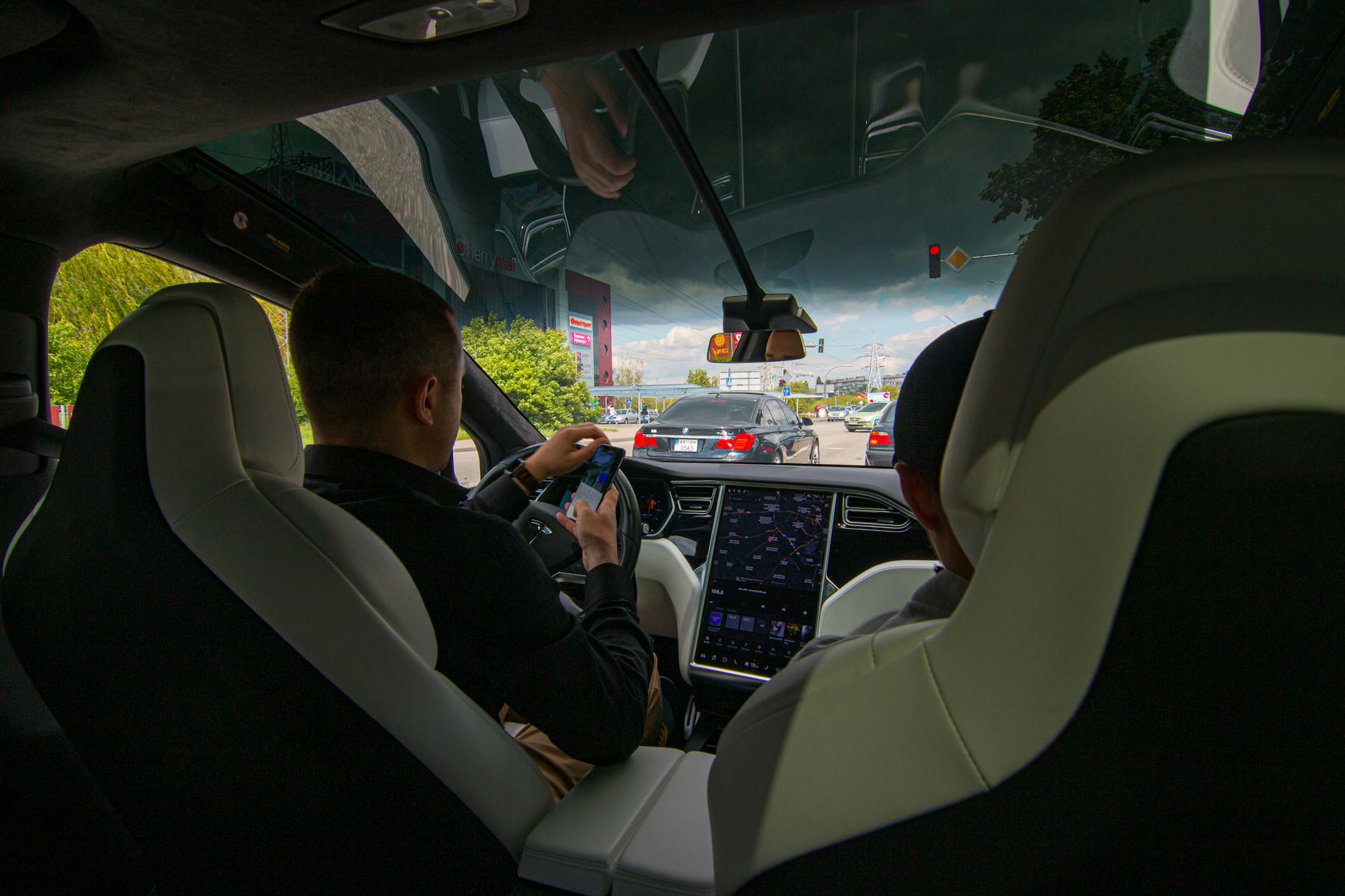
After years of delays and speculation, Tesla has officially rolled out its 'Full Self-Driving (Supervised)' capabilities in China. This announcement comes at a pivotal moment as local electric vehicle (EV) competitors continue to accelerate in both technology and market share. With this launch, Tesla aims to reclaim its standing in a rapidly evolving landscape where homegrown brands are outpacing it in several dimensions.
Key Takeaways
- Tesla's 'Full Self-Driving (Supervised)' is now available in China, marking a significant step in its global strategy.
- Years of delays have raised questions about Tesla's ability to compete against innovative local EV brands.
- The Chinese EV market is characterized by fierce competition, with local manufacturers rapidly advancing in technology.
- Consumer reception and regulatory hurdles will play crucial roles in the effectiveness of the launch.
- This move may influence Tesla's positioning in China and its overall strategy for future autonomous driving technologies.
What Happened
Tesla announced via an X post that its 'Full Self-Driving (Supervised)' capabilities are now available to users in China as of May 2026. This rollout has been long anticipated, especially given the delays that have lingered for several years. Initially set to launch earlier, Tesla faced numerous challenges including regulatory scrutiny, technical difficulties, and a rapidly evolving competitive landscape in the Chinese EV market.
The introduction of this feature means that Tesla vehicles in China will now offer advanced driver-assistance capabilities, allowing users to experience heightened levels of automation under supervision. This comes as a response to Tesla’s need to enhance its appeal in a market where local EV manufacturers have been making inroads with innovative technologies and features that are often more suited to local driving conditions.
Why This Matters
The rollout of Tesla's 'Full Self-Driving (Supervised)' in China is significant for multiple reasons. Firstly, it signifies Tesla's commitment to the Chinese market, which is projected to account for a significant portion of global EV sales in the coming years. As the world's largest automotive market, China's acceptance of Tesla's autonomous driving technology could set the tone for similar launches in other regions.
Secondly, this launch occurs against the backdrop of local competitors like NIO, Xpeng, and BYD, which have been rapidly advancing their own autonomous driving technologies. These companies are not only innovating faster but are also tailoring their features to meet the specific needs and preferences of Chinese consumers, which poses a direct challenge to Tesla's market dominance. The competition is fierce, and the success of Tesla's latest initiative will depend heavily on how well it can resonate with local users.
Background and Context
Tesla has long been a pioneer in the EV space, introducing technologies that have reshaped consumer expectations around electric mobility. The term 'Full Self-Driving' has been a hallmark of Tesla’s brand identity, embodying its vision for a future where vehicles operate autonomously. However, the reality has often fallen short of the promise, leading to consumer skepticism, particularly in markets like China where rapid advancements in technology are expected.
China's automotive landscape has evolved dramatically over the last decade. The government has heavily invested in EV infrastructure, while local manufacturers have been quick to adapt to emerging technologies. With the rise of companies like NIO and Xpeng, which are investing heavily in autonomous driving capabilities, Tesla's earlier advantage is being challenged. The Chinese market is thus not just a battleground for sales but a crucial testing ground for new technologies.
Expert Analysis
The launch of 'Full Self-Driving (Supervised)' in China could be viewed as Tesla's strategic response to the challenges it faces in a competitive landscape. The decision to introduce these capabilities, despite the delays, suggests that Tesla recognizes the urgency of adapting to local market demands and technological advancements. Tesla's technology has been lauded for its potential, but this rollout must now demonstrate its effectiveness in a market where user expectations are high and competition is fierce.
Moreover, the 'Supervised' designation is critical. It indicates that while Tesla is pushing for greater automation, there are still limitations in the technology that necessitate driver oversight. This differs from the fully autonomous aspirations that Tesla has promoted in other markets, which may lead to mixed perceptions among consumers. By positioning this as a supervised feature, Tesla may be hedging its bets against potential regulatory pushback and the technical limitations it continues to face.
In terms of market impact, the effectiveness of this launch will depend not only on the technology itself but also on consumer perception and regulatory acceptance. If consumers find the technology reliable and useful, it could bolster Tesla’s position in China. Conversely, any issues or mishaps could fuel skepticism and allow local brands to further cement their foothold in the market.
What This Means for Consumers
For consumers in China, the rollout of Tesla's 'Full Self-Driving (Supervised)' presents an opportunity to experience cutting-edge technology that promises to enhance driving convenience. As the technology matures, it may offer features that facilitate smoother traffic navigation, reduced driver fatigue, and improved overall travel experiences. However, consumers must also navigate the limitations that come with a supervised model, which requires active participation from the driver.
The launch could also influence how consumers view Tesla's brand compared to local competitors. Companies like NIO and Xpeng are already marketing their autonomous features as tailored to the unique driving conditions in China, which may resonate more with local drivers. Tesla will need to ensure that its offerings not only match but exceed the expectations set by these competitors to maintain its brand equity in the market.
Frequently Asked Questions
What does 'Full Self-Driving (Supervised)' mean?
'Full Self-Driving (Supervised)' refers to Tesla’s advanced driver-assistance system that allows for significant automation but still requires driver supervision. This means that while the vehicle can perform many tasks autonomously, the driver must remain alert and ready to take control when necessary.
How does Tesla's launch impact local EV manufacturers?
The launch may intensify competition among local EV manufacturers, many of whom are rapidly advancing their own autonomous technologies. If Tesla’s offering proves effective, it could force local brands to accelerate their innovations or rethink their strategies to retain market share.
What are the implications for Tesla's market position in China?
Tesla’s market position could be strengthened if the 'Full Self-Driving (Supervised)' proves popular among consumers. However, failure to meet expectations could lead to further erosion of its market share as local competitors continue to innovate.
How will regulatory bodies respond to this rollout in China?
Chinese regulatory bodies have been increasingly vigilant regarding autonomous driving technologies. The response to Tesla’s rollout will likely depend on how well the technology performs in real-world conditions and whether it aligns with local safety standards and regulations.
The Road Ahead
Looking forward, Tesla's deployment of 'Full Self-Driving (Supervised)' in China serves as a crucial litmus test for its future endeavors in the realm of autonomous driving. The outcome of this initiative could dictate Tesla's strategy in other regions and how it positions itself against burgeoning competition. Should the technology succeed, it could pave the way for more advanced features and potentially a fully autonomous model in the future.
As the automotive landscape continues to evolve, Tesla must remain agile, adapting to consumer feedback and regulatory expectations. The company's ability to innovate and respond to market dynamics will be instrumental in determining its continued relevance in a competitive global market. For now, all eyes will be on how Chinese consumers receive this latest offering and what it means for the future of driving technology.