Wall Street's Bullish Outlook on SpaceX: What It Means for the Future
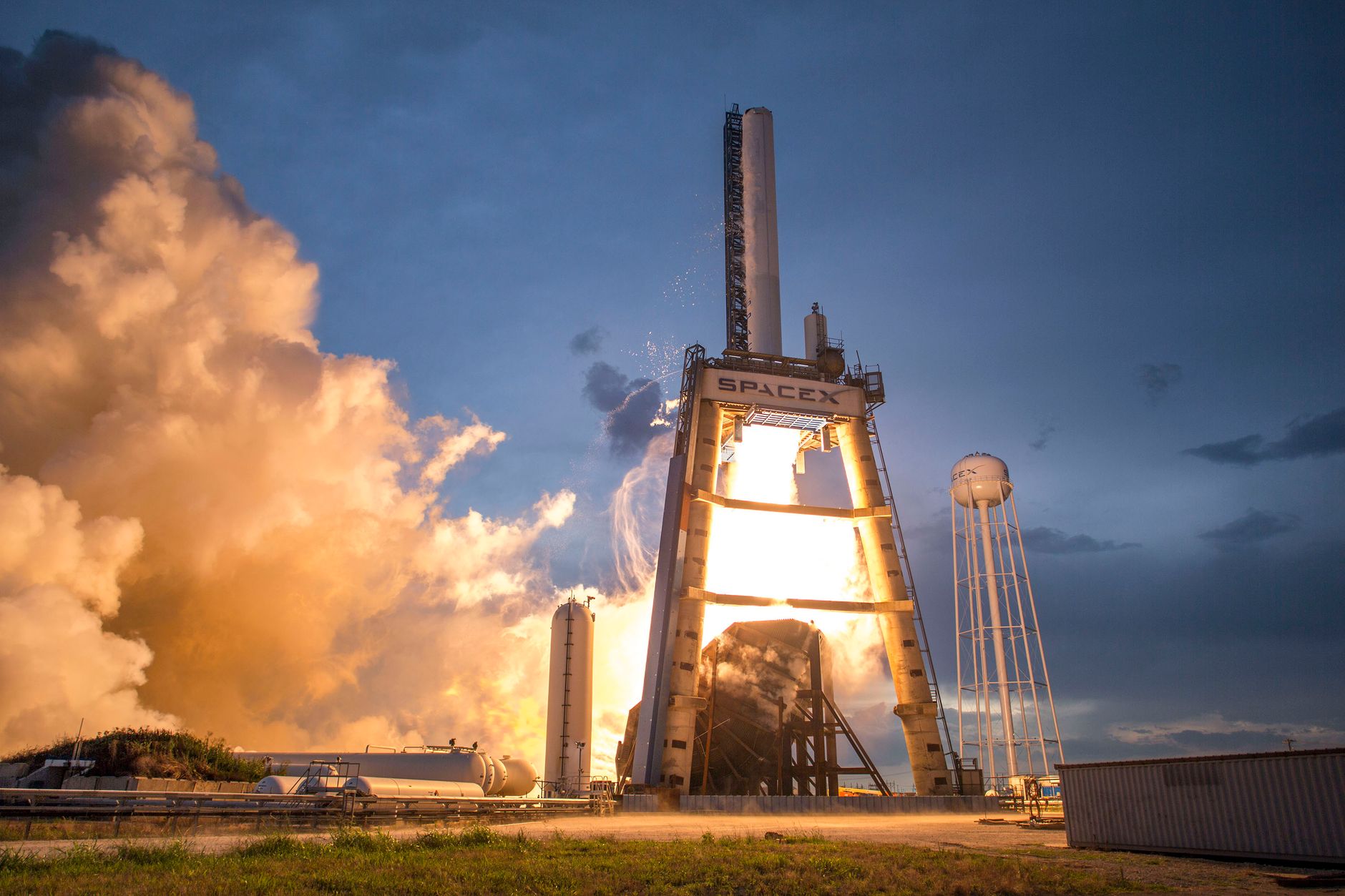
The quiet period for SpaceX’s IPO underwriters has ended, allowing analysts to publish their evaluations of the company. Louie DiPalma from William Blair has initiated coverage with an optimistic stance. As SpaceX solidifies its position in the space industry, the implications extend far beyond mere stock prices—they could reshape the entire landscape of space exploration and commercial endeavors.
Key Takeaways
- William Blair's Louie DiPalma has initiated bullish coverage on SpaceX, signaling confidence in the company's growth.
- SpaceX's competitive edge is highlighted as rival Blue Origin seeks external investors, indicating a shift in market dynamics.
- The end of the quiet period opens the floodgates for analysts to voice their projections, a critical moment for potential investors.
- SpaceX's expansive portfolio—including Starlink and its ambitious Mars colonization plans—adds layers of complexity and promise to its valuation.
- The broader implications of this IPO could influence funding and technological advancements in the space sector as a whole.
Understanding the Current Landscape
SpaceX's entry into the public market is a pivotal moment for the aerospace industry. The company, founded by Elon Musk in 2002, has disrupted traditional aerospace paradigms with its innovative technology and ambitious goals, such as reducing space transportation costs and enabling human life on Mars. In light of recent developments, analysts are beginning to reassess SpaceX's potential in the context of a competitive landscape increasingly characterized by private sector involvement.
William Blair’s Louie DiPalma launched coverage of SpaceX with a bullish rating, reinforcing the belief that the company is poised for continued growth. This optimism is not only based on SpaceX's established capabilities but also on recent shifts in the market. For instance, competitor Blue Origin, founded by Jeff Bezos, is now seeking outside investors to help fund its ventures, which some analysts interpret as a sign of vulnerability. In contrast, SpaceX appears to be addressing its challenges from a position of strength, significantly bolstering investor confidence.
Why This Matters
The significance of this moment cannot be overstated. Analysts' endorsements of SpaceX's stock carry considerable weight, particularly as the company prepares for an IPO that could set a benchmark for future aerospace public offerings. A positive reception could attract more investment into the space sector, leading to technological innovation and new ventures. Conversely, if the IPO fails to meet expectations, it could discourage potential investors and slow the pace of funding within the industry.
The implications extend beyond financial markets. SpaceX’s advancements in reusable rocket technology, satellite internet, and interplanetary travel ambitions could revolutionize how we view space exploration. A successful IPO could legitimize the commercial space industry, inviting more players to enter the market and stimulating competition, which often leads to rapid advancements in technology and reductions in costs for consumers.
Background and Context
SpaceX's journey from a startup focused on launching small payloads to a dominant player in the aerospace industry is remarkable. Since its first successful launch in 2008, SpaceX has continually pushed the boundaries of what is possible in space travel. The company’s Falcon 9 rocket and Dragon spacecraft have received acclaim for their reliability and reusability, making space travel more economical.
In contrast, Blue Origin has taken a more cautious approach, often focusing on suborbital flights and technology development rather than aggressive market penetration. Recent developments, such as Blue Origin’s shift to seeking external investors, underscore the competitive pressures within the industry, prompting a strategic reevaluation of how companies position themselves in a rapidly evolving market.
Expert Analysis
Analysts like Louie DiPalma are bullish on SpaceX for several reasons. First, the company has proven its capacity for innovation and adaptability, essential traits in the fast-paced tech landscape. For example, SpaceX's Starlink project, which aims to provide global internet coverage via a constellation of satellites, is not only a significant revenue stream but also a means to establish a customer base that could support its broader ambitions.
Moreover, SpaceX's track record of meeting deadlines and exceeding performance expectations contributes to its favorable reputation within both the aerospace sector and among potential investors. The company’s successful missions, including resupply missions to the International Space Station and crewed flights through NASA's Commercial Crew Program, highlight its reliability and operational excellence.
The bullish perspective also stems from broader market dynamics. As traditional aerospace companies like Boeing and Lockheed Martin navigate various challenges, including budget constraints and delays, SpaceX’s agile structure allows it to capitalize on opportunities that may be overlooked by larger corporations. This agility, combined with a clear vision for future growth, positions SpaceX as a formidable player in the commercial space race.
What This Means for Investors and Users
For investors, SpaceX's bullish outlook suggests an opportunity to be part of an industry poised for explosive growth. With increasing government interest in space exploration, enhanced by missions to the Moon and Mars, and the rise of private sector involvement, SpaceX is well-positioned to capture a significant portion of this expanding market. Potential investors must evaluate how SpaceX's innovations and growth strategies align with their investment goals.
For users, particularly those interested in space tourism or global internet access through Starlink, SpaceX's success could lead to more affordable and accessible options. As competition increases, the cost of space travel and satellite internet could decrease, making these services available to a broader audience. This democratization of space access aligns with SpaceX's mission to make space travel more accessible and sustainable.
Frequently Asked Questions
What is SpaceX's main competitive advantage?
SpaceX's primary competitive advantage lies in its innovative technology, particularly its reusable rockets, which significantly reduce the cost of launching payloads into space. The company's proven track record of successful missions and ambitious plans for future endeavors, such as the Starship program, also bolster its competitive edge.
How does Blue Origin's strategy differ from SpaceX's?
Blue Origin has focused on developing suborbital flight technology and a slower, more methodical approach to entering the market, while SpaceX has aggressively pursued a broad range of objectives, including orbital launches and interplanetary travel. This difference in strategy has impacted their market positions, with SpaceX currently taking the lead in many aspects of commercial spaceflight.
What are the potential risks associated with investing in SpaceX?
Investing in SpaceX carries several risks, including the volatility of the space industry, technological challenges, and regulatory hurdles. Additionally, as a private company preparing for an IPO, there is uncertainty regarding stock performance and market reception. Investors should conduct thorough research and consider these risks before investing.
How will SpaceX's IPO impact the future of the space industry?
SpaceX's IPO could serve as a bellwether for the commercialization of space, potentially attracting more investment and encouraging innovation. A successful public offering might motivate other companies to explore opportunities in the space sector, leading to increased competition, technological advancements, and a broader range of services for consumers.
The Road Ahead
As SpaceX prepares for its IPO, the implications of Wall Street's bullish outlook are substantial. Investors are presented with an opportunity to engage in an industry that is on the cusp of transformation. The success of SpaceX’s public offering could pave the way for future companies looking to enter the space market, thereby accelerating innovation and investment in the sector.
Looking ahead, the intersection of technology, investment, and space exploration will continue to evolve. With SpaceX leading the charge, the industry is likely to see rapid advancements that could redefine what is possible. As more players enter the space race, the potential for collaboration and competition will create a dynamic environment that shapes the future of humanity's exploration of outer space.