SpaceX's Strategic Move: Selling Computing Power to the Pentagon
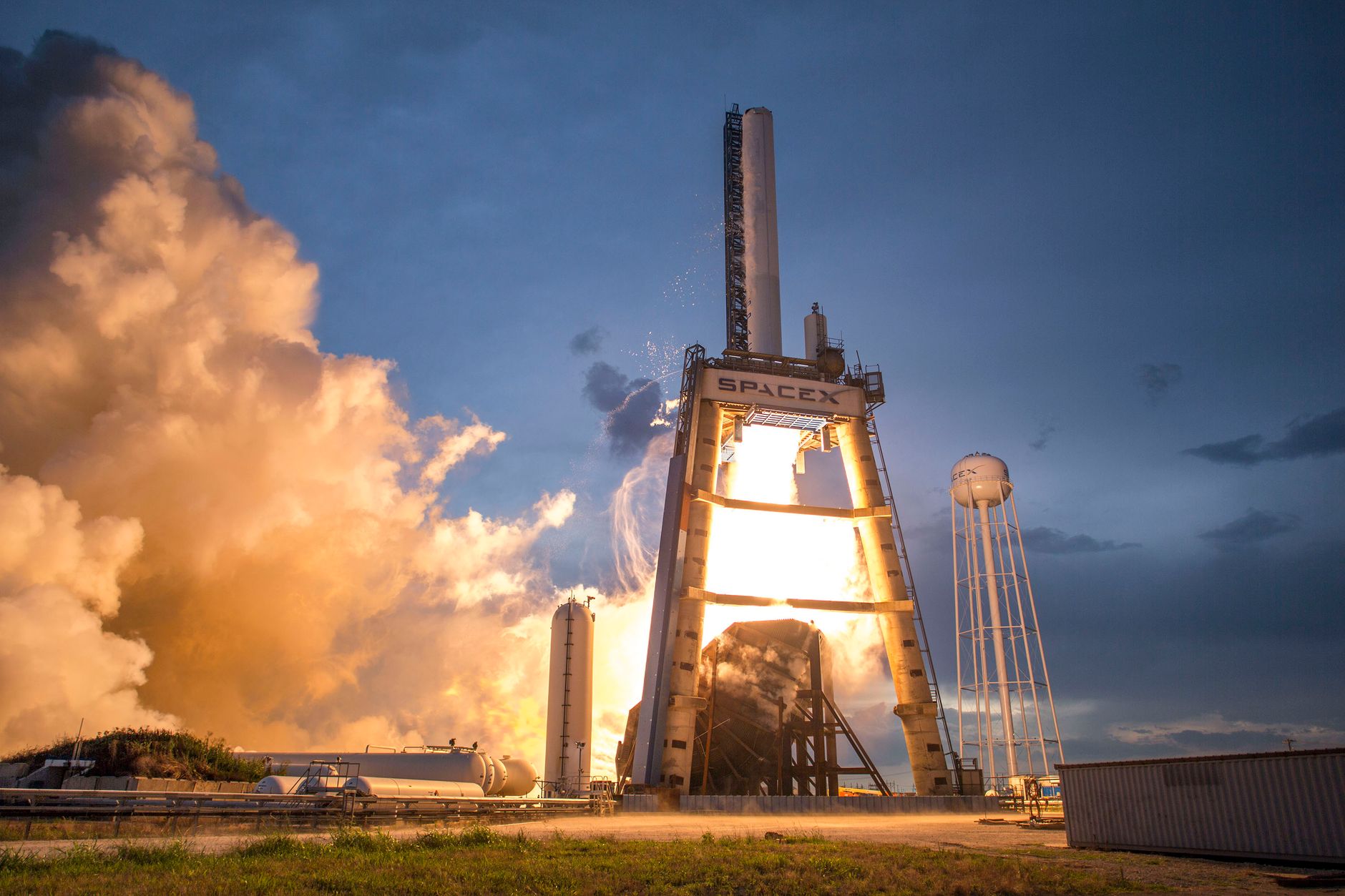
In a move that could redefine the landscape of defense technology, SpaceX is reportedly in discussions to sell computing power to the U.S. Department of Defense. This development follows a series of strategic infrastructure deals that highlight Elon Musk’s ambitions to position SpaceX not just as a leader in rocketry and satellite technology, but also as a formidable player in the realm of artificial intelligence (AI) and cloud computing.
Key Takeaways
- SpaceX is negotiating a deal with the Pentagon to provide computing capabilities.
- This partnership could enhance the U.S. military's access to advanced AI and data processing technologies.
- The move aligns with SpaceX's broader strategy to diversify its revenue streams beyond traditional aerospace services.
- Potential implications include increased competition in defense contracting among tech companies.
- This deal may set a precedent for future collaborations between private tech firms and government agencies.
The Developments Behind the Deal
According to a report from the Wall Street Journal, SpaceX is in advanced talks with the Pentagon to supply computing power, which could likely include advanced data processing and AI capabilities. This follows the company's recent expansion into multiple technological sectors, showcasing its intent to leverage its existing infrastructure and expertise in satellite technology.
The specific details of the proposed deal remain under wraps, but given SpaceX’s substantial advancements in AI and cloud computing, the potential applications for military use could be significant. The discussions come at a time when the Pentagon is increasingly reliant on private-sector partnerships to bolster its technological capabilities, particularly in AI and cybersecurity.
Why This Matters
This partnership signifies a critical shift in how the U.S. military approaches technology acquisition. Traditionally, defense contracts have been dominated by legacy contractors such as Lockheed Martin and Raytheon. SpaceX’s entry into this arena could disrupt existing paradigms and encourage a wave of innovation driven by private tech companies.
The implications of such a deal extend beyond just the immediate benefits of enhanced computing power. By aligning with a forward-thinking company like SpaceX, the Pentagon could gain access to cutting-edge technologies that are still being developed, potentially outpacing adversaries in the realms of AI and cybersecurity. This partnership could also help the U.S. military streamline its operations, improve data analytics capabilities, and enhance decision-making processes through advanced computational power.
Background and Context
The U.S. Department of Defense has long recognized the importance of integrating advanced technologies into its operations. The push for modernization has seen the Pentagon increasingly turn to private-sector technology firms to fill gaps in capabilities. SpaceX, founded in 2002, has demonstrated a remarkable ability to innovate rapidly, with achievements like the Falcon Heavy rocket and the Starlink satellite constellation. These innovations not only showcase SpaceX's capabilities in aerospace but also hint at a deeper reservoir of technological expertise that could be tapped for military applications.
Over the last decade, the military's investment in AI has surged. The Pentagon's Joint Artificial Intelligence Center (JAIC) was established to accelerate the adoption of AI across military branches, aiming to ensure that the U.S. maintains a technological edge. In this context, SpaceX’s computing power could play a pivotal role, offering the Defense Department unprecedented support in areas such as real-time data analysis, predictive analytics, and operational efficiency.
Expert Analysis
From a strategic perspective, this potential deal illustrates a critical evolution in defense contracting. SpaceX’s unique position in the technology landscape allows it to offer not just infrastructure but also the innovative mindset required to leverage that infrastructure effectively. By integrating advanced computing power with military applications, the Pentagon could see improvements in its command and control systems, logistics, and battlefield intelligence.
Furthermore, the partnership could signify an important cultural shift within the military, which has traditionally operated in silos. Collaborations with high-tech firms like SpaceX could lead to a more agile and responsive military structure, one that is better equipped to handle the complexities of modern warfare. For SpaceX, this deal could diversify its revenue streams significantly, moving beyond government contracts for transportation and satellite services into the lucrative realm of defense technology.
What This Means for the Defense Industry
The implications of this partnership stretch beyond SpaceX and the Pentagon; it could reshape the entire defense contracting landscape. The potential for increased competition among tech firms to secure government contracts may lead to further innovation within the industry. Companies that can demonstrate advanced capabilities in AI and cloud computing could find themselves in high demand as the military seeks out new partnerships.
Additionally, this move could encourage a closer relationship between technology and defense sectors, fostering an environment where rapid technological advancements can be directly applied to military needs. This could lead to more agile procurement processes and faster deployment of new technologies to the front lines.
Frequently Asked Questions
What type of computing power will SpaceX provide to the Pentagon?
While specific details are still under discussion, it is expected that SpaceX will provide advanced data processing capabilities, likely leveraging its expertise in artificial intelligence and cloud computing.
How will this partnership affect existing defense contractors?
This partnership could increase competition in the defense contracting space, as traditional contractors may need to innovate to keep pace with the technological advancements that SpaceX brings to the table.
What are the potential applications of SpaceX's computing power in military operations?
Potential applications could include improvements in real-time data analysis, enhanced logistics management, and superior decision-making capabilities in combat scenarios.
Is this the first time SpaceX has worked with the Department of Defense?
No, SpaceX has previously held contracts with the U.S. military, primarily focused on launch services. This deal marks a significant expansion of their collaboration into computing technologies.
The Road Ahead
Looking forward, the implications of this partnership could extend well beyond the initial deal. As SpaceX and the Pentagon continue to explore the potential of advanced computing power, we may witness a transformation in how military operations are conducted. The integration of cutting-edge AI and data processing could lead to a new era of military strategy, one that prioritizes speed, efficiency, and adaptability.
Moreover, as the defense landscape evolves, we may see other tech companies following SpaceX’s lead in seeking partnerships with government agencies. The collaboration between private tech firms and the military could become a standard model, spurring further innovation and technological advancement that benefits both sectors. This could lead to a more symbiotic relationship between technology and defense, where advancements in one sector directly enhance capabilities in the other.



