How SpaceX's IPO Strategy Targets a $26.5 Trillion Market
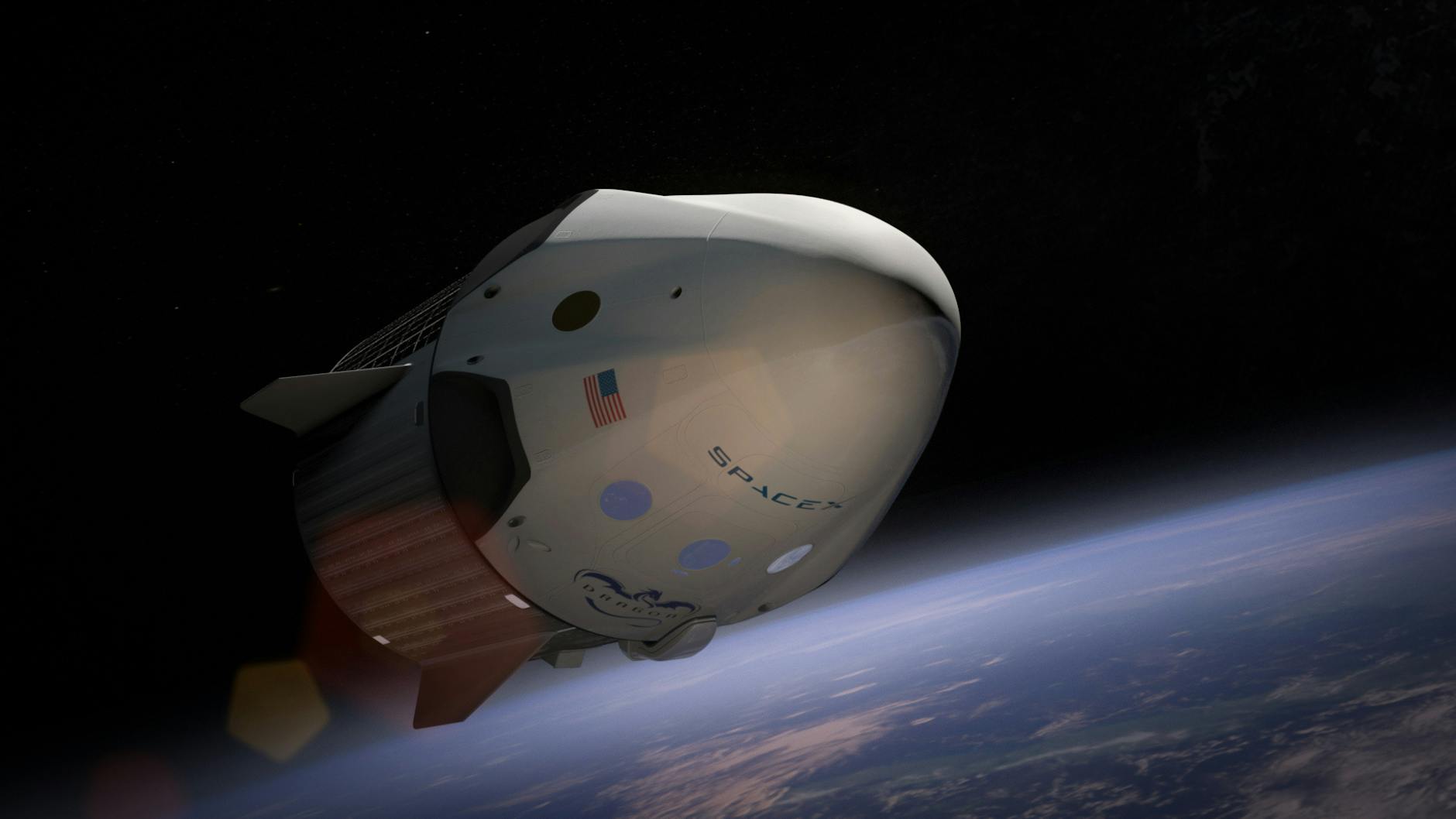
As we stand on the precipice of a new era in the financial markets, SpaceX has emerged as a powerful contender, positioning itself for an initial public offering (IPO) that targets a staggering $26.5 trillion market opportunity. The move represents not just a financial transaction but a transformative reconfiguration of existing market dynamics as traditional investor favorites may soon find their valuations challenged. This article delves into how SpaceX's ambitious IPO strategy could reshape investor interests, disrupt established players, and redefine the boundaries of possibility in the tech industry.
Key Takeaways
- SpaceX aims for an IPO that could tap into a $26.5 trillion market, emphasizing AI capabilities.
- The company's entry into public markets could disrupt tech giants with inflated valuations.
- This IPO strategy reflects a broader trend of mega-cap companies leveraging cutting-edge technologies.
- Analysts predict significant shifts in investor sentiment and market structures following this IPO.
- The implications of this move extend beyond finance, influencing technological advancements and space exploration.
SpaceX's IPO Strategy: A Game Changer for the Markets
SpaceX, spearheaded by visionary founder Elon Musk, is set to ignite the IPO landscape with its unprecedented financial strategy. The company has begun marketing itself to potential investors, articulating its vision of generating revenues from a market opportunity that could reach $26.5 trillion—largely driven by advancements in artificial intelligence (AI) and space technology. This ambitious figure not only signifies SpaceX's potential earnings but also serves as a clear challenge to other mega-cap companies that have become darlings of the investment community.
In recent years, numerous tech firms have experienced skyrocketing valuations, often fueled by hype and speculative investment. SpaceX's IPO is poised to disrupt this trend by offering a tangible product and service that promises real-world applications across various sectors, including telecommunications, transportation, and even energy. By leveraging its existing infrastructure and technological prowess, SpaceX aims to carve out a significant share of the market that could encompass satellite internet, space travel, and AI innovations, all integrated into one cohesive business model.
This potential IPO comes at a time when investor sentiment is shifting. As traditional tech stocks face increasing scrutiny over their inflated valuations, SpaceX's entry into the public market could serve as a catalyst for re-evaluating the worth of existing players. Investors are becoming more discerning, looking for companies that not only promise growth but also deliver on innovative solutions that address real-world challenges.
Why This Matters
The implications of SpaceX's IPO extend far beyond mere financial numbers. In an ecosystem increasingly dominated by a few tech giants, this move could reintroduce competition and innovation into the market. SpaceX's unique positioning at the intersection of space exploration and AI development makes it an outlier that could challenge established norms.
As SpaceX begins to capture investor attention, it may force other mega-cap companies to reconsider their strategies and valuations. The company’s focus on a $26.5 trillion market opportunity signals to investors that there are still expansive horizons in the tech space that remain untapped. This could lead to a wave of innovation among competitors, pushing them to focus more on sustainable growth and practical applications rather than speculative hype.
Moreover, SpaceX's venture into public markets may have ripple effects throughout the financial landscape. As it sets a new benchmark for valuations in the space and AI sectors, the company could influence investor appetite for technology stocks more broadly. This may lead to a recalibration of expectations across the board, as investors seek to align their portfolios with companies that not only promise value but can also deliver on ambitious goals.
Background and Context
Founded in 2002, SpaceX has revolutionized the aerospace industry with its innovative approach to rocket design and space travel. Initially focused on reducing the costs of space launch, the company has expanded its vision to include a range of applications from satellite deployment to interplanetary travel. As it stands, SpaceX has already secured significant contracts with NASA and other entities, positioning itself as a formidable player in the aerospace sector.
In the last decade, we have witnessed a surge in the valuation of tech firms, with mega-cap companies like Apple, Amazon, and Microsoft dominating the landscape. Many of these companies have benefitted from the COVID-19 pandemic, which accelerated digital transformation across industries. However, as these valuations reached astronomical heights, questions about sustainability and future growth potential have surfaced. SpaceX's IPO could be the harbinger of a new chapter in which market participants seek more than just inflated numbers—demanding vision, innovation, and tangible outcomes.
Expert Analysis
SpaceX’s IPO strategy is a fascinating study in market dynamics. By targeting a substantial market value of $26.5 trillion, the company not only sets high expectations but also positions itself as a leader in the AI and space sectors. This dual focus allows SpaceX to capitalize on two of the most promising fields in technology, offering a unique value proposition to investors.
Analysts suggest that this move plays into a broader trend of convergence between AI and aerospace. Companies focused solely on software or internet services may find themselves at a disadvantage if they fail to integrate these cutting-edge technologies into their business models. SpaceX’s approach could compel other firms to rethink their strategies and invest in innovative technologies to remain competitive.
Furthermore, the prospect of SpaceX entering the public market could alter investor psychology. For years, investors have flocked to companies with established track records and profitability. SpaceX, with its bold vision and commitment to innovation, may represent a shift towards favoring potential and vision over conventional success metrics. This pivot can empower a new generation of startups and tech firms that may have previously struggled to secure funding due to a lack of immediate financial returns.
What This Means for Investors and the Tech Landscape
For investors, SpaceX's IPO opens up new avenues of opportunity but also introduces a level of risk associated with investing in companies that pursue disruptive technologies. The financial landscape may see a bifurcation where traditional investment strategies focused on profitability and stability will be challenged by a new breed of investors willing to take risks on companies that are set to shape the future.
Additionally, existing tech giants may have to adapt to this changing environment. Companies that have seen their stock prices skyrocket might need to justify their valuations in increasingly competitive market conditions. As SpaceX positions itself to attract substantial investor interest, it may trigger a reassessment of how these established firms are viewed in terms of growth potential and innovation.
From a technological standpoint, the implications are profound. As the lines between AI, aerospace, and other tech sectors blur, we can expect to see increased collaboration and innovation. This could lead to breakthroughs that redefine industries and create entirely new markets. For instance, SpaceX's focus on AI could lead to advancements in autonomous technology, machine learning, and data analytics that enhance both space exploration and terrestrial applications.
Frequently Asked Questions
What is the significance of SpaceX targeting a $26.5 trillion market?
The $26.5 trillion market figure highlights SpaceX's ambition to leverage AI and space technology to capture a significant share of various industries, signaling its potential for immense revenue generation.
How could SpaceX's IPO impact existing tech giants?
SpaceX's IPO may lead to a reassessment of the valuations of established tech companies, potentially sparking increased competition and innovation as they respond to the challenge of a new market contender.
What are the risks associated with investing in SpaceX?
Investing in SpaceX carries risks typical of high-growth tech firms, including volatility, uncertainty in future earnings, and the challenge of delivering on ambitious promises.
How does SpaceX's IPO affect the future of AI and aerospace?
SpaceX's IPO could catalyze advancements in AI and aerospace, encouraging innovation and collaboration between sectors, ultimately reshaping industries and creating new market opportunities.
The Road Ahead
As SpaceX prepares for its IPO, the landscape of the financial markets is poised for transformation. The company's unique combination of ambition, innovation, and market potential could redefine how investors approach technology investments. In a world increasingly defined by advancements in AI and aerospace, SpaceX stands at the forefront of this evolution, potentially setting a new standard for what it means to invest in the future.
Looking ahead, the market dynamics may see a shift from a focus on established players towards emerging disruptors like SpaceX. This could spur a new wave of investment strategies that prioritize innovation and practical applications over traditional profitability metrics. The implications of this shift may echo throughout the entire tech ecosystem, making it essential for investors, companies, and consumers to adapt to this rapidly evolving landscape.