South Korea's AI Tax Windfall: Funding Future Growth Initiatives
In a remarkable turn of events, South Korea is poised to harness an unprecedented tax windfall generated by the booming artificial intelligence (AI) sector, particularly within the semiconductor industry. This financial surge presents a unique opportunity for President Lee Jae Myung’s administration, which aims to channel these newfound resources into ambitious growth initiatives. As the government gears up to invest heavily in innovative technologies and infrastructure, the implications of this strategic financial maneuver could reshape the economic landscape of the nation.
Key Takeaways
- South Korea anticipates a record tax revenue from the AI-driven semiconductor boom.
- President Lee Jae Myung aims to utilize this financial windfall for significant investment projects.
- The government is focused on positioning South Korea as a leader in AI technology.
- This initiative reflects a broader trend of governments leveraging technology-driven growth for economic stability.
- The strategy may inspire similar approaches in other countries that are investing in AI and technology sectors.
The Recent AI Tax Windfall in South Korea
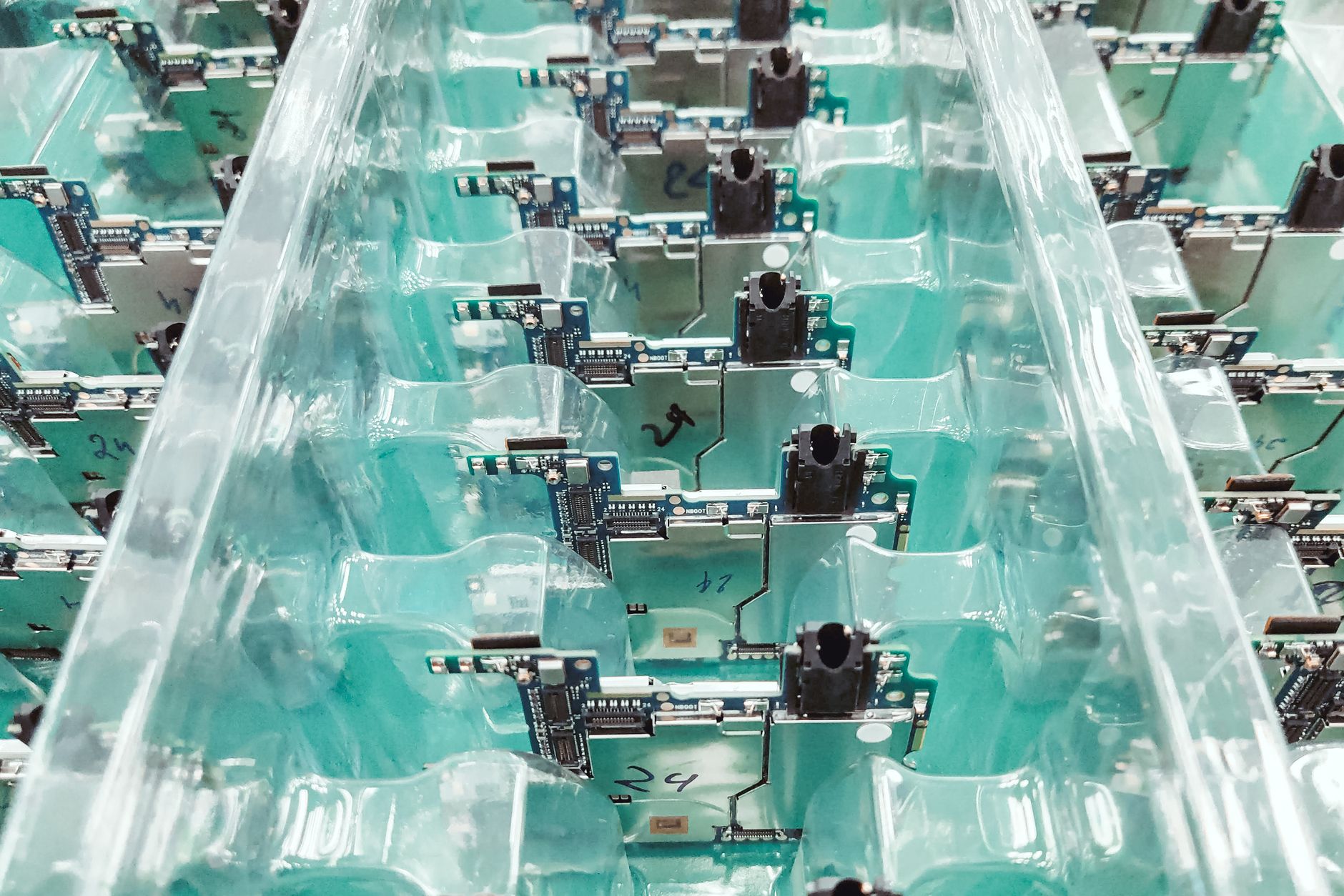
South Korea's emerging status as a powerhouse in the AI sector, particularly in semiconductors, signals a transformative phase for the nation. The government's forecasted tax windfall is a direct result of significant advancements in AI technologies and their applications in semiconductor manufacturing. With companies like Samsung and SK Hynix leading the charge, South Korea has positioned itself at the forefront of the global semiconductor market, which is increasingly intertwined with AI capabilities.
This anticipated tax revenue is not merely a function of increased production; it reflects a broader economic strategy that recognizes the importance of AI and technology in fueling sustainable growth. As the semiconductor industry capitalizes on AI innovations to enhance efficiency, boost production rates, and reduce costs, the resulting financial gains translate into substantial tax revenues for the government.
Why This Matters
The implications of South Korea's record AI tax windfall extend far beyond immediate fiscal benefits. By strategically reinvesting these funds into future growth initiatives, the government is laying the groundwork for long-term economic stability and innovation. This approach underscores the critical role that technology plays in shaping the future of national economies.
Moreover, positioning South Korea as a leader in AI technology could have significant geopolitical implications. As nations around the world compete for dominance in AI and semiconductor manufacturing, South Korea's proactive investment strategy may enhance its standing on the global stage. The ability to attract foreign investments, foster technological partnerships, and cultivate homegrown talent will be pivotal in maintaining this competitive edge.
Background and Context
The semiconductor industry has long been a cornerstone of South Korea's economy, contributing significantly to its GDP and export revenues. With the advent of AI, the relationship between semiconductors and technology has evolved dramatically. AI technologies require advanced semiconductor capabilities to process vast amounts of data efficiently, creating a symbiotic relationship that has driven unprecedented growth in both sectors.
Historically, South Korea has invested heavily in research and development, focusing on innovation as a key driver of economic growth. This philosophy has yielded dividends, as evidenced by the country's rapid advancements in technology and manufacturing processes. The current AI tax windfall represents a culmination of these efforts and reflects a mature understanding of economic trends that leverage technological advancements for fiscal benefits.
Expert Analysis
The strategic utilization of the AI tax windfall presents a compelling case study in fiscal management and economic foresight. By allocating these funds towards sectors that promise sustainable growth, such as renewable energy, healthcare technology, and education, the South Korean government is not just addressing immediate fiscal needs but is also investing in the country's future resilience.
Furthermore, the focus on AI and technology innovation is indicative of a global shift towards knowledge-based economies. Countries that recognize and adapt to this shift are likely to experience enhanced economic stability and growth. South Korea's approach serves as a model for how governments can effectively leverage emerging technologies to foster innovation, create jobs, and enhance citizen welfare.
What This Means for South Korea's Economy
For South Korean citizens and businesses, the implications of this fiscal policy are profound. The government's commitment to reinvesting tax revenues into the economy promises to create a virtuous cycle of growth and innovation. By funding education and training programs in AI and technology, the government can ensure that its workforce is equipped with the necessary skills to thrive in an increasingly digital economy.
Moreover, companies operating in the AI and semiconductor sectors stand to benefit directly from increased government support and investment. Research grants, tax incentives, and infrastructure development can help these businesses scale operations, enhance productivity, and foster innovation. As a result, a thriving ecosystem of tech startups and established firms could emerge, further solidifying South Korea's position as a global technology leader.
Frequently Asked Questions
What is the significance of the AI tax windfall for South Korea?
The AI tax windfall signifies a major financial boost that South Korea can leverage to invest in technological infrastructure and innovation, positioning the country for sustained economic growth.
How does AI impact the semiconductor industry?
AI enhances semiconductor manufacturing by optimizing processes, improving efficiency, and enabling higher production rates, which in turn drives profitability and tax revenue.
What sectors will benefit from the investment of the tax windfall?
The investment from the tax windfall is expected to target sectors such as renewable energy, healthcare technology, and education, promoting a diversified growth strategy for the economy.
Can other countries replicate South Korea's approach?
Yes, other countries can adopt similar strategies by recognizing the value of investing in technology and innovation to stimulate economic growth, though the effectiveness will depend on their unique economic contexts and resources.
The Road Ahead
As South Korea embarks on this ambitious journey fueled by its AI tax windfall, the path forward is filled with both opportunities and challenges. The government's proactive investment strategy could serve as a catalyst for economic transformation, fostering innovation and growth in a variety of sectors. However, it will also require careful planning and execution to ensure that these investments yield tangible benefits for the economy and society at large.
Looking ahead, the success of this initiative will depend on the government’s ability to foster a collaborative ecosystem that includes private sector engagement, educational institutions, and research organizations. By creating an environment conducive to innovation, South Korea can truly capitalize on its AI-driven growth, setting a precedent for other nations aiming to harness technology for economic advancement.