SK Hynix Launches $28 Billion US Listing Amid Memory Chip Demand Surge
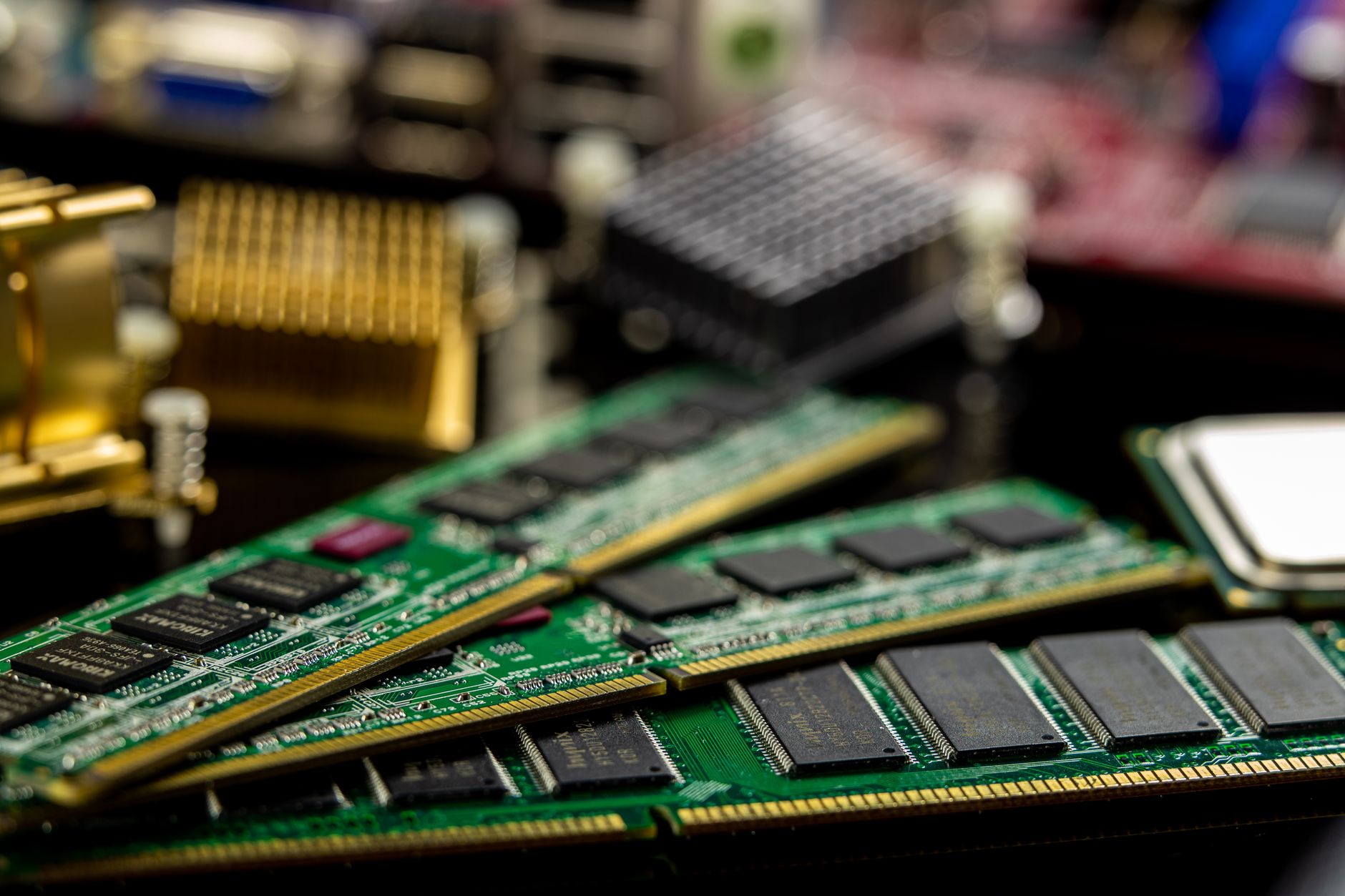
In a significant move that underscores the bullish sentiment surrounding memory chips, SK Hynix has launched the formal marketing process for its anticipated $28 billion US listing. This initiative comes at a time when investor appetite for semiconductor stocks is soaring, driven by booming demand in various sectors including artificial intelligence and data centers. The implications of this move extend beyond the company itself, potentially reshaping the landscape of the global memory chip industry.
Key Takeaways
- SK Hynix is embarking on a $28 billion US listing to capitalize on heightened investor interest in memory chips.
- The company aims to leverage growing demand from AI, data centers, and other high-tech industries.
- This listing could enhance SK Hynix’s competitive position in the global semiconductor market.
- Investor confidence in memory chips is reflected in the performance of related stocks and market trends.
- The move highlights broader trends in the semiconductor industry, including consolidation and geopolitical factors.
What Happened
On July 6, 2026, SK Hynix Inc., a leading South Korean memory chipmaker, initiated the marketing process for its much-anticipated US listing. The company aims to raise approximately $28 billion through this public offering, a figure that underscores both the robust demand for memory chips and the strategic positioning of the firm within the global semiconductor landscape. This action is not just a financial maneuver; it's a reflection of the current state of the semiconductor industry, which has seen both highs and lows in recent years.
SK Hynix's listing comes at a time when memory chips, particularly DRAM and NAND flash, are experiencing unprecedented demand due to the rapid expansion of sectors like artificial intelligence, cloud computing, and mobile devices. This demand is not only revitalizing the memory chip market but is also prompting investment strategies that prioritize semiconductor equities, making them a focal point for institutional and retail investors alike.
Why This Matters
The implications of SK Hynix's US listing are profound, not only for the company itself but also for the semiconductor industry at large. A successful listing could bolster SK Hynix’s financial position, enabling it to invest further in research and development, enhance its manufacturing capabilities, and pursue strategic acquisitions or partnerships. This would position the company to better compete with other major players like Samsung and Micron Technology, who are also vying for market share in this lucrative sector.
Moreover, the listing reflects broader industry trends, including the shift towards more localized supply chains amidst geopolitical tensions. As nations strive for technological independence, investments in semiconductor production are being prioritized, and companies like SK Hynix are well-positioned to attract capital from investors eager to support homegrown technology solutions.
Background and Context
The semiconductor industry has been undergoing rapid transformation over the past decade. Fueled by the proliferation of digital services and the rise of AI, demand for memory chips has surged. Companies have been adjusting their production capacities to meet this demand, and those that can anticipate market trends are likely to thrive. SK Hynix, founded in 1983, has long been a key player in this field, known for its innovative memory solutions and significant investments in research and development.
Historically, SK Hynix has faced stiff competition from industry giants like Samsung, which has dominated the memory chip market. However, with the increasing complexity and power requirements of modern applications, the demand for specialized memory solutions has created new opportunities for companies that can innovate and adapt. This trend is influencing not just market dynamics but also investment flows, with more capital being directed toward companies that show promise in cutting-edge technologies.
Expert Analysis
From an analytical perspective, SK Hynix's move to list in the US can be viewed through the lens of several critical market factors. The current bullish sentiment around semiconductor stocks is primarily driven by robust demand forecasts, particularly in sectors like AI and cloud computing. Notably, according to industry reports, the global memory market is expected to grow at a compound annual growth rate (CAGR) of 7% over the next five years.
Furthermore, the geopolitical landscape is playing a significant role in shaping the semiconductor market. As tensions between major economies rise, particularly between the US and China, nations are looking to secure their technological infrastructures. This creates a unique environment where companies like SK Hynix can leverage their technological advancements to appeal to investors looking for stability amid uncertainty.
In addition, the financial implications of this listing cannot be understated. A successful $28 billion raise would not only signal strong investor confidence but also provide SK Hynix with substantial resources to enhance its production capabilities and innovation pipeline. This could lead to new product developments, particularly in cutting-edge areas like AI-specific memory solutions, which are expected to be in high demand as industries increasingly integrate machine learning technologies.
What This Means for the Semiconductor Industry
For the semiconductor industry, SK Hynix's US listing could set a precedent for other firms considering similar moves. It highlights the importance of attracting investment to support growth in an increasingly competitive landscape. Companies looking to expand or innovate may now feel more pressure to pursue public offerings or alternative funding strategies, further fueling the trend of consolidation within the industry.
Moreover, this listing underscores the growing importance of memory chips in the global technology ecosystem. As more devices become interconnected and reliant on data, the demand for high-performance memory solutions will only increase. This trend could lead to more robust partnerships between memory chip manufacturers and tech companies, as they collaborate to develop tailored solutions that address specific market needs.
Frequently Asked Questions
What is the significance of SK Hynix's US listing?
SK Hynix's US listing is significant as it reflects the robust investor demand for memory chips and positions the company to enhance its competitive edge in the semiconductor industry.
How does this move impact the memory chip market?
This move could increase investor confidence and attract more capital into the memory chip sector, potentially leading to further innovation and growth in the industry.
What factors are driving demand for memory chips?
Factors driving demand include the rise of artificial intelligence, cloud computing, and the ongoing digital transformation across various sectors that require high-performance memory solutions.
What are the potential risks associated with this listing?
Potential risks include market volatility, increased competition, and geopolitical tensions that could impact supply chains and investor sentiment in the semiconductor sector.
The Road Ahead
Looking forward, SK Hynix's US listing represents a pivotal moment not just for the company, but for the semiconductor industry as a whole. As the landscape evolves, companies will need to remain agile, adapting to market demands while also navigating geopolitical challenges. This listing could embolden other semiconductor firms to pursue public offerings, fueling a wave of investment in the sector.
In summary, as SK Hynix embarks on this ambitious journey, its success could herald a new era for memory chip manufacturers, one marked by increased collaboration, innovation, and an ever-expanding global market for advanced technologies. Stakeholders, from investors to tech companies, will be closely monitoring this development as it unfolds, eager to see how it reshapes the future of the semiconductor landscape.