Semiconductor Stocks: Understanding Their Market Volatility
The semiconductor industry has long been a cornerstone of technological progress, powering everything from smartphones to AI systems. However, recent market trends indicate a troubling pattern of volatility within semiconductor stocks, which are now exhibiting fluctuations nearly five times greater than the broader market. This volatility raises important questions for investors, analysts, and industry leaders alike.
Key Takeaways
- Semiconductor stocks showcase volatility nearly five times higher than the general market.
- Factors contributing to this volatility include supply chain disruptions, geopolitical tensions, and rapid technological changes.
- Investors must navigate these challenges by adopting a more nuanced understanding of the semiconductor market.
- Long-term prospects remain strong due to increasing demand for chips across various sectors.
- Market analysts suggest diversification as a strategy to mitigate risks associated with semiconductor investments.
The Current Landscape of Semiconductor Stocks
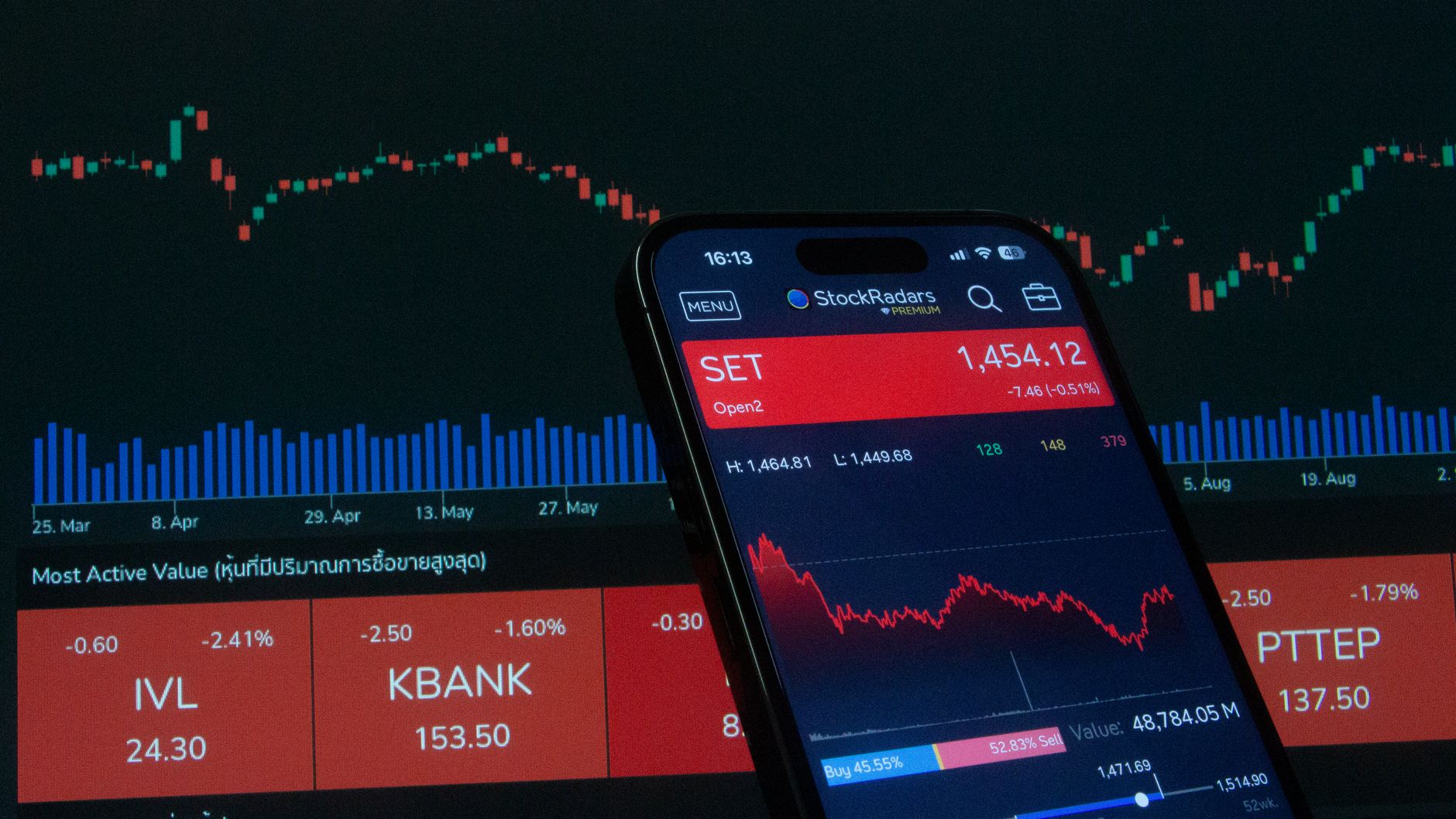
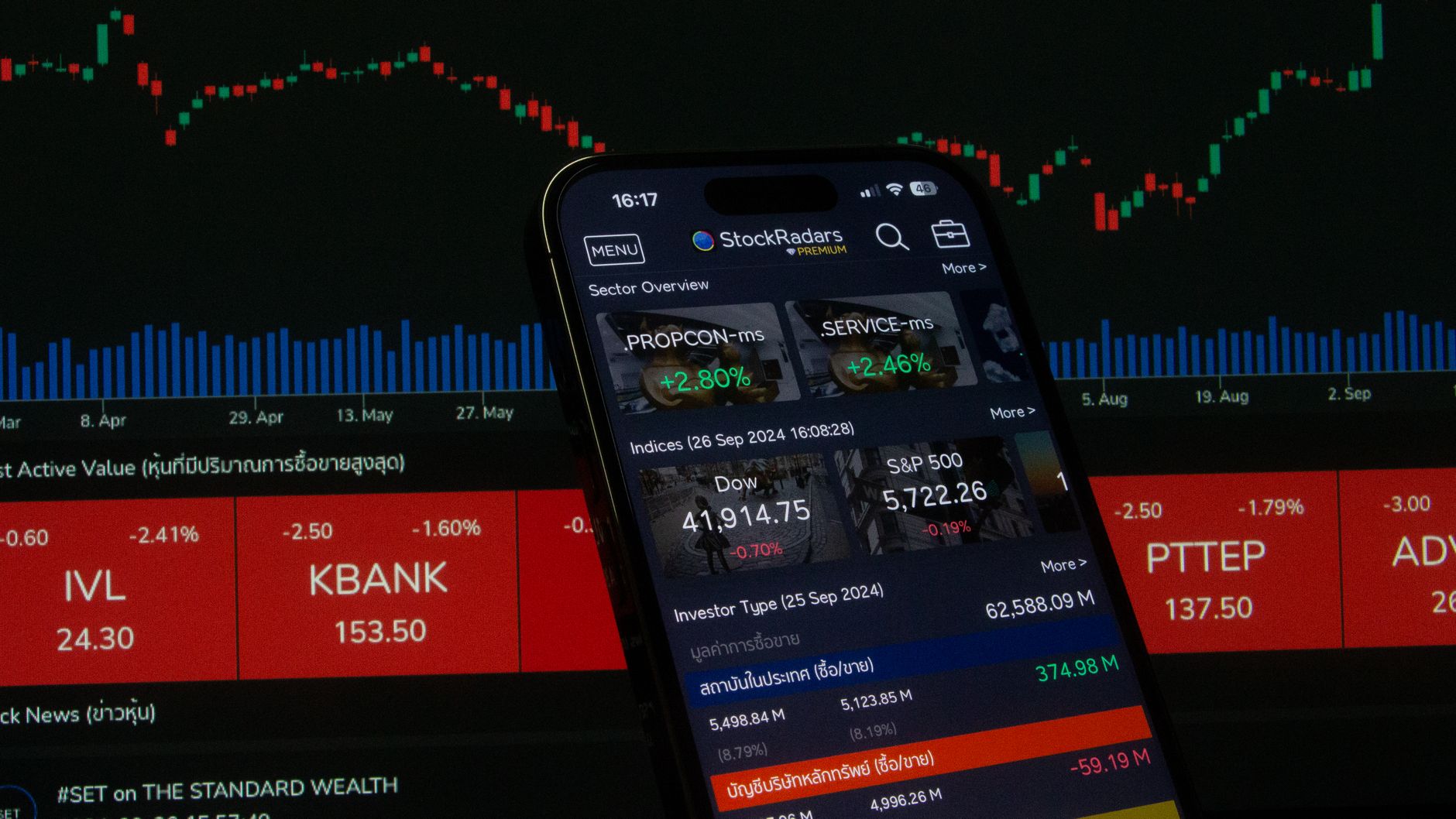
The semiconductor market has gained unprecedented attention in recent years, driven by the growing demand for high-performance chips in multiple sectors, such as automotive, consumer electronics, and cloud computing. However, as noted in a recent article from Technology, the volatility of semiconductor stocks has emerged as a significant concern. The price movements of these stocks have been recorded at nearly five times the fluctuations seen in the broader stock market.
To understand this volatility, one must delve into the multifaceted factors contributing to it. Factors such as global supply chain disruptions, geopolitical tensions—particularly between the U.S. and China—and rapid advancements in technology have created an unpredictable environment. As companies strive to keep pace with innovation while managing production capacities, stock prices have become increasingly susceptible to sharp rises and falls.
Recent data indicates that semiconductor stocks have exhibited a beta coefficient significantly higher than that of the S&P 500 index, suggesting that these stocks are considerably more volatile. This heightened risk profile has raised alarms among investors who are now reconsidering their approach to this critical sector.
Why This Matters
The volatility of semiconductor stocks holds profound implications for various stakeholders, including investors, industry leaders, and consumers. For investors, the immense fluctuations in stock prices can lead to significant financial losses if not carefully managed. On the flip side, those who are willing to take on the risk may find opportunities for substantial gains. This creates a complex environment where timing the market becomes crucial.
For industry leaders, understanding the reasons behind this volatility is essential for strategic planning. Companies that manufacture semiconductors must stay vigilant about market trends and consumer demands. Moreover, they must also navigate external pressures such as trade regulations and economic shifts that could further impact their operations. The ripple effect of these market dynamics can influence production decisions, investment in R&D, and even hiring strategies.
Background and Context
The semiconductor industry has faced its share of challenges historically. The cyclical nature of the market often leads to periods of boom and bust, characterized by fluctuating demand and supply constraints. For instance, the 2020 COVID-19 pandemic triggered a global semiconductor shortage, disrupting supply chains and causing widespread delays in product launches across various industries.
Furthermore, the geopolitical landscape has added another layer of complexity. The ongoing trade tensions between the U.S. and China have led to uncertainties in supply chains and market access. Companies like TSMC and Intel are often at the center of these discussions, as they play pivotal roles in the global semiconductor supply chain. The interplay of these historical factors has set the stage for the current volatility being experienced in semiconductor stocks.
Expert Analysis
Analyzing the current volatility in semiconductor stocks requires a multifaceted approach that considers both macroeconomic trends and industry-specific dynamics. From a macroeconomic perspective, inflationary pressures, interest rate hikes, and supply chain disruptions have created an environment where uncertainty reigns. Investors are keenly aware that these factors can influence consumer spending and, consequently, demand for semiconductor products.
On the industry side, technological advancements are a double-edged sword. While innovations such as AI and IoT drive demand for more sophisticated chips, they also necessitate rapid production adjustments. Companies must be agile in their operations, capable of scaling production up or down based on market signals. This agility can lead to rapid price fluctuations, as seen in recent quarterly earnings reports where companies either exceeded or missed expectations, resulting in significant stock price volatility.
Another critical aspect to consider is the role of institutional investors. Large investors often exacerbate stock price movements due to their significant buying and selling volumes. When institutional investors react to market news, their actions can lead to sudden shifts in stock prices, compounding the already volatile nature of semiconductor stocks. This market behavior underscores the importance of investor sentiment and its impact on stock fluctuations.
What This Means for Investors
For investors, the volatility of semiconductor stocks necessitates a reevaluation of investment strategies. The traditional buy-and-hold approach may no longer be sufficient in a market characterized by such pronounced fluctuations. Instead, a more active trading strategy might be warranted, along with a careful analysis of market indicators that signal potential price movements.
Diversification is another key strategy that investors should consider. By spreading investments across various sectors and asset classes, investors can mitigate risks associated with the semiconductor market's volatility. Investing in related sectors, such as technology, automotive, or even renewable energy, may provide a buffer against the sharp price movements seen in semiconductor stocks.
Additionally, investors should stay informed about the geopolitical landscape and its implications for supply chains. Understanding how trade policies and international relations can impact semiconductor production and distribution will be crucial in making informed investment decisions.
Frequently Asked Questions
Why are semiconductor stocks so volatile?
Semiconductor stocks experience high volatility due to various factors, including supply chain disruptions, geopolitical tensions, rapid technological advancements, and market speculation. These elements create an unpredictable environment, leading to sharp price fluctuations.
How can investors manage the risks associated with semiconductor stocks?
Investors can manage risks by diversifying their portfolios, adopting active trading strategies, and staying informed about market trends and geopolitical developments. Understanding the broader economic context is essential for making sound investment decisions.
What role do institutional investors play in semiconductor stock volatility?
Institutional investors can amplify stock price movements due to their large buying and selling volumes. Their reactions to market news and earnings reports can lead to sudden shifts in stock prices, contributing to the overall volatility of semiconductor stocks.
What are the long-term prospects for the semiconductor industry?
Despite current volatility, the long-term prospects for the semiconductor industry remain positive due to increasing demand for chips across various sectors, including automotive, consumer electronics, and AI technologies. This demand is expected to drive growth and innovation in the industry.
The Road Ahead
Looking ahead, the semiconductor industry is poised for significant changes, driven by both technological advancements and market dynamics. As demand for chips continues to increase, companies will need to invest in capacity expansion and innovation. This may lead to a more stable supply chain in the long term, but short-term volatility is likely to persist as companies navigate ongoing challenges.
Investors should remain vigilant and adapt their strategies as the market evolves. Staying informed about technological trends, geopolitical shifts, and economic indicators will be crucial for making informed investment decisions. While the semiconductor market may be fraught with risks, it also presents opportunities for those willing to engage with its complexities.