Scaling Creativity in the Age of AI: A New Era for Storytelling
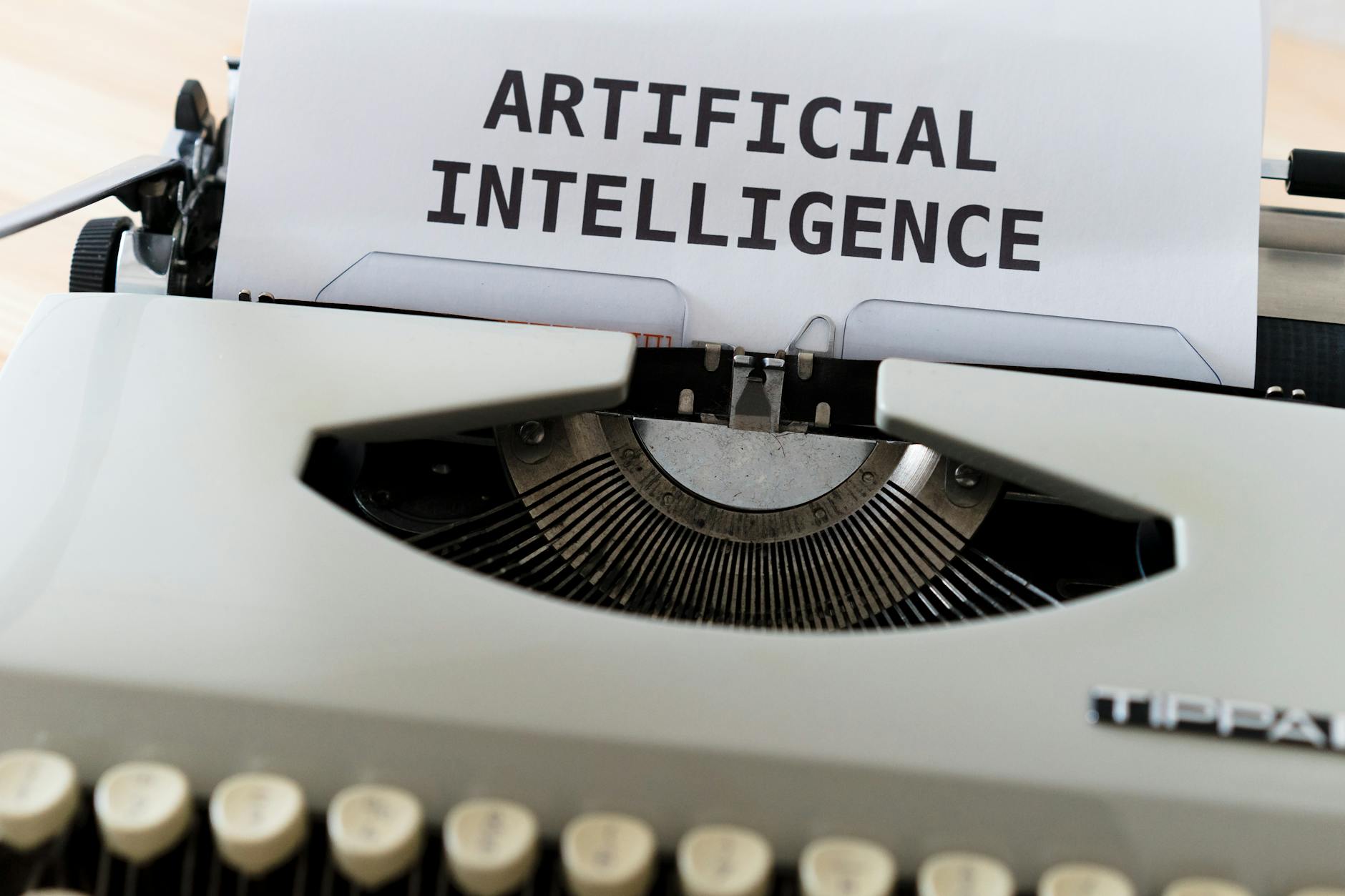
Storytelling is an integral part of the human experience, a medium through which we communicate our values, fears, and aspirations. In recent years, the advent of artificial intelligence (AI) has ignited a debate on its impact on creativity, particularly in storytelling. As we navigate through this transformative landscape, it’s essential to understand how AI can serve as a tool for enhancing, rather than diminishing, our creative impulses.
Key Takeaways
- AI technology is revolutionizing the storytelling process, enabling creators to scale their creativity.
- The historical evolution of storytelling shows a consistent integration of technology.
- AI can enhance creative output, but it requires a balance between technology and human insight.
- Future storytelling could blend traditional narratives with AI-generated content, creating a new hybrid model.
- The ethical implications of AI in creativity necessitate ongoing discussions about authorship and originality.
Understanding the Shift in Storytelling
Storytelling has evolved significantly from its origins in oral traditions to the digital narratives we consume today. Early humans used natural pigments for cave paintings, marking the beginning of visual storytelling. As technology advanced, so did the mediums through which stories were told—from the invention of the printing press to the rise of cinema and, more recently, digital platforms. The introduction of AI into this mix is not merely another technological advance; it represents a paradigm shift that could redefine how stories are conceived, created, and shared.
The recent advancements in AI, particularly in natural language processing and generative algorithms, have enabled machines to produce text and narratives that were once the sole domain of human creativity. Tools like OpenAI's GPT-3 have demonstrated the ability to generate coherent and contextually relevant stories, challenging traditional notions of authorship and originality. This evolution prompts us to ask: How do we adapt our understanding of creativity in an age dominated by artificial intelligence?
Why This Matters
The integration of AI in storytelling is significant for several reasons. First, it democratizes access to creative tools, allowing individuals who may not have traditional storytelling skills to express their ideas. AI can assist novice writers in structuring their narratives, suggesting plot points, and even generating dialogue. This opens up opportunities for diverse voices to enter the creative space, fostering innovation and inclusivity.
Second, AI allows for the analysis of vast amounts of data, identifying trends and themes that resonate with audiences. By understanding what types of narratives engage readers, creators can tailor their stories to better meet audience demands. This data-driven approach can lead to more targeted marketing and the development of content that truly embodies the interests of diverse groups.
Background and Context
Historically, storytelling has always involved some form of technology. The cave paintings of our ancestors were a means of recording their experiences and conveying messages. The printing press revolutionized the distribution of stories, making literature accessible to the masses and fostering literacy. Fast forward to the 21st century, where digital platforms have transformed how stories are told and consumed. With the rise of social media and streaming services, narratives now travel faster and reach wider audiences than ever before.
As AI technologies have matured, they have begun to influence creative processes across various fields. In the visual arts, generative adversarial networks (GANs) are enabling artists to create stunning images by learning from existing works. In music, AI algorithms can compose original pieces that mimic the styles of famous composers. This trend is now making its way into storytelling, raising questions about the role of the human creator in a landscape increasingly populated by AI-generated content.
Expert Analysis
As AI continues to advance, it is becoming increasingly clear that the relationship between technology and creativity is not a zero-sum game. Rather, it is a collaborative partnership that can amplify human potential. For instance, AI can provide endless iterations of a narrative, allowing writers to explore various plotlines and character arcs quickly. This aspect of AI as a creative partner is particularly appealing, as it encourages experimentation and innovation.
Moreover, AI's ability to analyze audience preferences can guide storytellers in crafting narratives that resonate on a deeper level. By leveraging data insights, creators can refine their stories, ensuring they align with audience expectations. This integration of analytics into the storytelling process is a game-changer, enabling a more strategic approach to content creation.
Yet, the rise of AI in storytelling raises ethical questions about originality and authorship. If an AI generates a story, who owns the rights to that narrative? Is it the creator of the AI, the user who prompts the AI, or the AI itself? These questions are crucial as we navigate an era where the lines between human creativity and machine-generated content blur.
What This Means for Creators and the Industry
For creators, the implications of AI in storytelling are profound. Writers, filmmakers, and content creators can harness AI as a collaborative tool, enhancing their creative processes. However, this requires a shift in mindset. Rather than viewing AI as a competitor, creators can embrace it as an ally that enhances their storytelling capabilities.
For the industry, the rise of AI-driven storytelling presents both opportunities and challenges. On one hand, it can lead to a proliferation of new content, catering to diverse audiences and niche markets. On the other hand, it poses a risk of homogenizing narratives if creators rely too heavily on AI-generated content without infusing their unique perspectives.
As AI continues to evolve, industries must adapt to these changes. This includes developing new frameworks for intellectual property, redefining authorship, and fostering an environment where human creativity is valued alongside technological advancements. By creating a balance between AI and human insight, we can ensure that storytelling remains a vibrant and diverse field.
Frequently Asked Questions
Can AI create original narratives?
Yes, AI can generate narratives that are coherent and contextually relevant. However, the originality of these narratives is often debated, as they are based on existing data and patterns learned from human-created content.
How can creators use AI effectively?
Creators can use AI as a collaborative tool to brainstorm ideas, structure narratives, and analyze audience preferences. By integrating AI into their creative processes, they can enhance their storytelling capabilities and innovate their narratives.
What are the ethical implications of AI in storytelling?
Ethical implications include questions of authorship, originality, and the potential for AI to produce biased or harmful content. Ongoing discussions are necessary to navigate these challenges and establish guidelines for responsible AI use in storytelling.
Will AI replace human storytellers?
While AI can assist in generating content, it is unlikely to replace human storytellers. The emotional depth, cultural context, and unique perspectives that humans bring to storytelling are irreplaceable, making collaboration between AI and humans crucial.
The Road Ahead
As we move forward in this era of AI-driven storytelling, it is essential to embrace the opportunities while addressing the challenges that come with it. The potential for AI to enhance creativity is vast, allowing for new narratives and forms of expression that were previously unimaginable. By fostering a culture of collaboration between humans and machines, we can tap into the full potential of storytelling in the age of AI.
Looking ahead, industries will need to establish ethical frameworks that govern the use of AI in creative processes. This will involve redefining notions of authorship and originality to ensure that both human and AI contributions are recognized and valued. As we continue to explore this uncharted territory, the future of storytelling promises to be a rich tapestry woven from human ingenuity and technological advancement.