San Francisco's Housing Market Surges Amid AI Boom: A Deep Dive
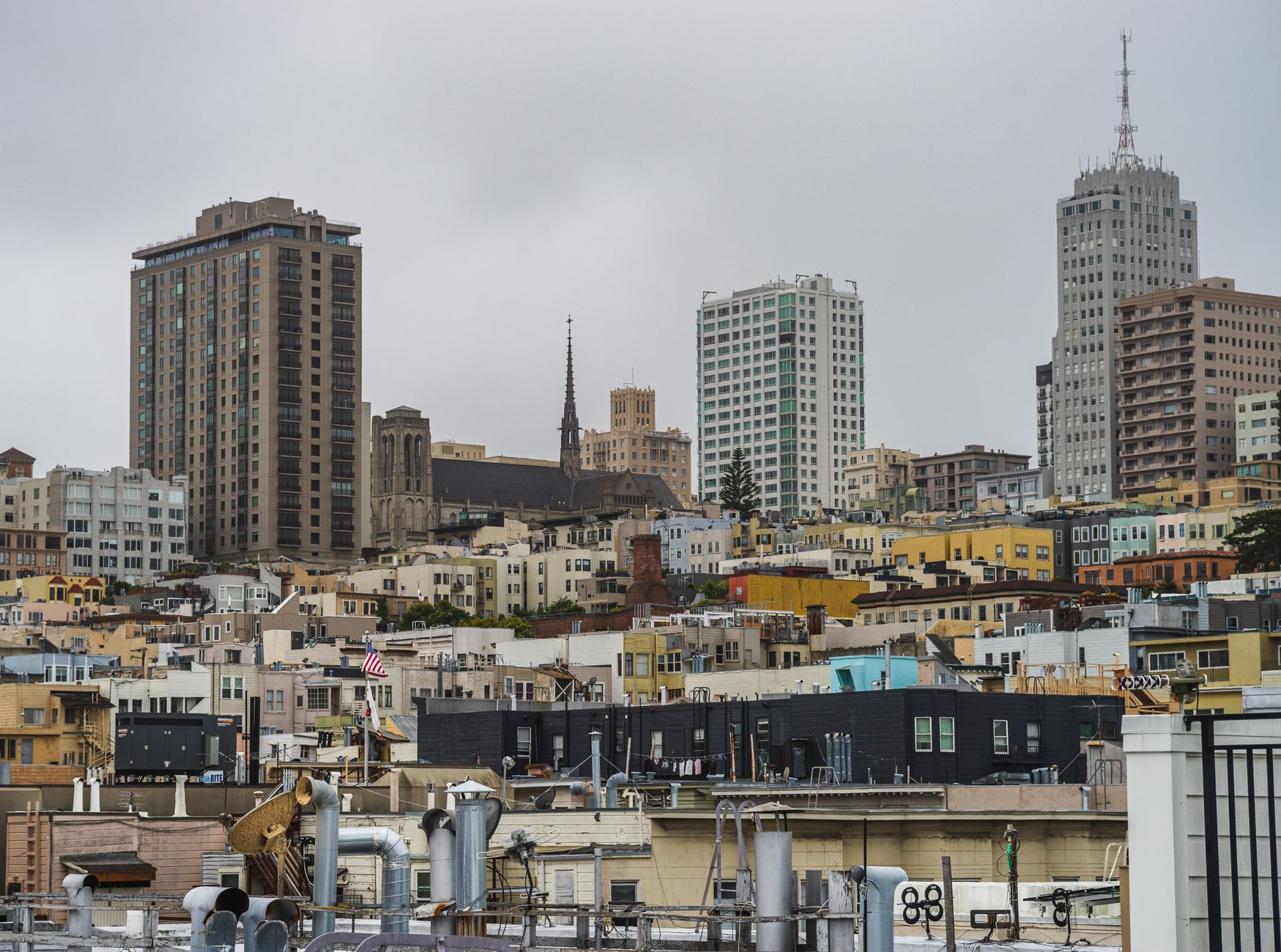
The San Francisco Bay Area is no stranger to real estate fluctuations, yet the recent spike in home prices, driven by the rapid growth of the AI sector, has left many observing in disbelief. Homes are now selling for over $1 million above their asking prices, as buyers scramble to secure properties in a city where housing has always been at a premium. This phenomenon reflects not just the economic impact of the AI boom, but also highlights the broader implications for the city’s housing market and its residents.
Key Takeaways
- AI-driven wealth creation in San Francisco has led to more than 140 homes selling for at least $1 million above their asking prices in the first half of 2026.
- The tech sector's rapid expansion is exacerbating existing housing shortages, creating a competitive bidding environment.
- Local real estate brokerage Compass reports that this trend is likely to continue, further straining the already precarious housing market.
- Homebuyers, often from the tech sector, are willing to pay a premium, pushing the limits of what is considered affordable.
- This unprecedented price escalation raises concerns about long-term implications for community diversity and economic inequality.
Understanding the Current Landscape
According to a recent analysis by real-estate brokerage Compass, the first half of 2026 has seen a surge in home sales in San Francisco, with over 140 properties selling for at least $1 million above their asking prices. This staggering statistic underscores how the ongoing AI boom is reshaping the city's real estate landscape. As technology companies continue to flourish and attract a wealthier workforce, the demand for housing is outpacing supply, leading to intense competition among buyers.
In a city with a historical backdrop of housing scarcity, the current situation feels unprecedented. Listings that once lingered on the market are now disappearing within days, sometimes hours, as buyers engage in bidding wars that drive prices well beyond initial expectations. The allure of the tech sector's lucrative opportunities, combined with the lifestyle perks of living in San Francisco, creates a perfect storm of demand that sellers are quick to capitalize on. It’s a scenario that feels surreal to many, leading observers to describe the situation as “absolutely bananas.”
Why This Matters
This housing surge isn't just a local phenomenon; it holds broader implications for the entire Bay Area and beyond. As professionals from the tech industry flock to San Francisco in search of lucrative opportunities, the strain on housing availability intensifies. A growing number of households are being pushed out of the market due to skyrocketing prices, leading to an increasing sense of economic disparity.
The implications extend beyond the financial realm and into the fabric of the community. Long-time residents are faced with the possibility of displacement due to the rising cost of living, which raises concerns about the loss of cultural diversity in the city. As wealth becomes concentrated among a select group of individuals, the potential for socioeconomic divides grows, impacting everything from local businesses to education systems and public services. The AI boom, while beneficial for economic growth, also poses significant challenges that must be addressed.
Background and Context
The roots of San Francisco’s housing challenges can be traced back several decades. The city has long been a hub for technological innovation, attracting talent and investment from around the world. With the advent of the internet and the tech boom of the late 1990s, housing prices began to rise dramatically, setting the stage for the current crisis. Fast forward to today, and the AI sector is experiencing its own explosive growth, with companies vying for positions in a burgeoning market that shows no signs of slowing down.
Factors contributing to the current situation include a limited housing supply, stringent zoning laws, and a growing population of high-income earners. As new startups emerge and established tech giants continue to expand, the influx of high-paying jobs exacerbates the housing shortage. In this context, the recent findings from Compass are not just an isolated trend; they reflect a culmination of ongoing economic forces within the city.
Expert Analysis
The current real estate market in San Francisco, particularly in light of the AI boom, raises fundamental questions about the sustainability of such rapid price increases. While it's clear that the technology sector is injecting wealth into the local economy, the implications for housing affordability cannot be overlooked. The trend of selling homes well above asking prices is symptomatic of a market that is out of balance, where the fundamentals of supply and demand are skewed by an influx of capital.
Real estate experts suggest that if these trends continue, we may see a shift in demographics across the city. Investors and buyers may increasingly prioritize luxury properties, further alienating lower and middle-income residents. Additionally, the concentration of wealth among tech workers could lead to an economic monoculture, where diverse communities are replaced by enclaves of affluent individuals. This threatens the very essence of what has made San Francisco a vibrant and unique city.
What This Means for Homebuyers and Developers
For potential homebuyers, navigating the current market can be daunting. Buyers, especially those who are not affiliated with the tech sector, might find themselves priced out of the market altogether. The intense competition for properties is forcing many to reconsider their options or relocate to more affordable areas outside of the city. This may lead to a demographic shift, where younger families and professionals are increasingly unable to establish roots in San Francisco.
Developers, on the other hand, are presented with both challenges and opportunities. The demand for housing is undeniable, but the sector faces hurdles related to zoning regulations and community pushback against new developments. To address the housing crisis, it is essential for developers to engage with local communities and policymakers to create solutions that balance the need for growth with the preservation of San Francisco’s unique character.
Frequently Asked Questions
What is causing the rapid increase in home prices in San Francisco?
The surge in home prices is primarily driven by the booming AI sector, which has attracted high-paying jobs and a wealthier workforce, leading to increased demand for housing in a limited market.
How are local residents affected by this housing trend?
Long-time residents may face displacement due to rising costs, contributing to economic disparity and potential loss of cultural diversity within the city.
What can be done to alleviate the housing crisis in San Francisco?
Addressing the crisis will require collaboration between developers, local communities, and policymakers to create more housing options while ensuring that the city's unique character is preserved.
Is this phenomenon occurring in other cities as well?
Yes, similar trends can be observed in other tech hubs, such as Seattle and Austin, where rapid growth in the technology sector has led to increased housing demand and rising prices.
The Road Ahead
Looking forward, the trajectory of San Francisco’s housing market remains uncertain. As AI technology continues to evolve and shape the economy, it’s likely that the demand for housing will remain high. However, without strategic planning and intervention, the city risks creating a polarized environment where only the affluent can afford to live.
To foster a more inclusive community, stakeholders must prioritize policies that promote affordable housing development and support for lower-income residents. Balancing economic growth with social equity will be crucial for maintaining the vibrancy and diversity that San Francisco is known for. The decisions made in the coming years will ultimately determine whether the city can sustain its identity and provide opportunities for all its residents.