Wealth from SpaceX and AI Startups Drives Private Jet Demand
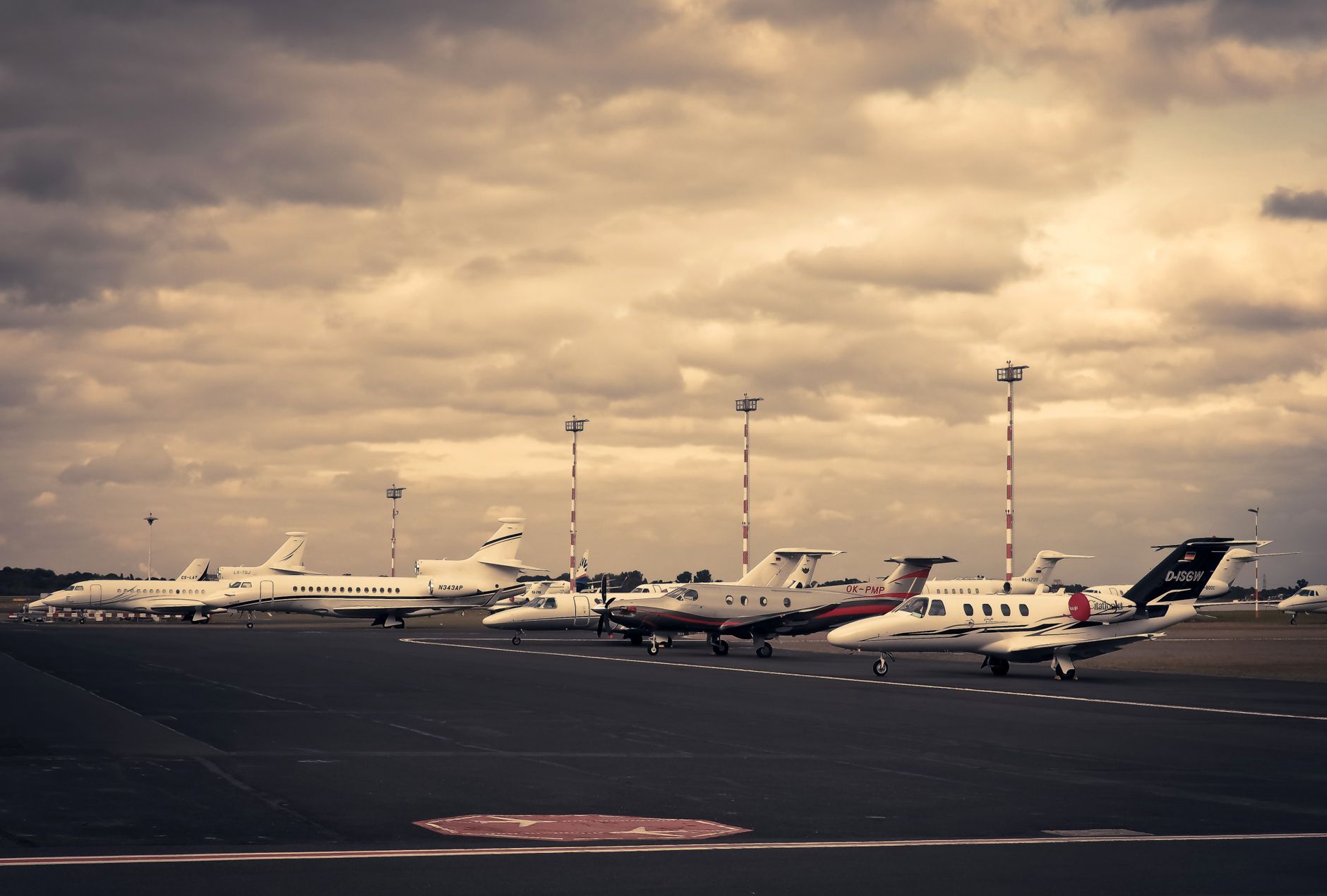
The private jet market is experiencing a transformative surge, driven by the newly minted fortunes of tech entrepreneurs, particularly those from AI startups and SpaceX. This phenomenon not only redefines luxury travel but also signals a significant shift in economic power dynamics. As more individuals anticipate lucrative IPOs, their spending habits are reshaping the aviation industry, leading to both a boom in jet sales and a surge in charter services.
Key Takeaways
- The wealth generated by AI startups and companies like SpaceX is driving unprecedented demand for private jets.
- Charter services are seeing a dramatic increase in bookings as new millionaires seek flexible travel options.
- The private aviation sector is undergoing a transformation, with more technological innovations to cater to high-net-worth individuals.
- Industry experts predict continued growth in private jet sales and charter services in the coming years.
- This shift highlights the broader economic implications of wealth concentration among tech entrepreneurs.
Understanding the Current Landscape of Private Aviation
The private jet industry has always catered to the elite, but a new wave of wealth is pushing the market to unprecedented heights. In recent years, increased valuations of major tech companies—especially those involved in artificial intelligence and aerospace—have created a substantial class of ultra-high-net-worth individuals. This demographic is now looking for ways to enhance their lifestyles, and private aviation has become a popular choice.
The rise in demand is evident from the statistics. According to recent reports, private jet sales have surged by approximately 30% in the past year alone, with many manufacturers struggling to keep up with the influx of orders. Charter services, which allow for on-demand travel without the hefty investment of purchasing a jet, are also experiencing a notable increase in utilization rates. Major charter companies are reporting their fleets are nearly at full capacity, particularly during peak travel seasons.
Why This Matters
The implications of this demand extend beyond luxury travel. The influx of capital into the private jet market signifies a broader trend of wealth concentration in the tech sector. As individuals from AI startups and companies like SpaceX anticipate their IPOs, they are not just investing in personal luxuries; they are also influencing the global economy. The demand for private jets can serve as a barometer for economic confidence among the wealthy, reflecting their outlook on future business ventures and investments.
Moreover, the environmental impact of increased private jet use is a growing concern. With climate change at the forefront of global discussions, the aviation sector faces scrutiny regarding its carbon footprint. As more wealthy individuals opt for private flights, the industry will need to address sustainability challenges while meeting the demands of this affluent clientele.
Background and Context
The evolution of private aviation can be traced back to the mid-20th century when the industry began to cater increasingly to high-net-worth individuals. The introduction of business jets, such as the Learjet in the 1960s, revolutionized corporate travel, making it easier for executives to fly directly to meetings without the hassle of commercial airline schedules.
In the past decade, the rise of technology-driven entrepreneurship has created a new class of wealthy individuals, particularly within the realms of AI and aerospace. Companies like SpaceX, founded by Elon Musk, have not only generated immense financial success but have also fostered a culture of innovation and ambition. This has led to an increase in personal wealth for their founders and employees, many of whom are now seeking private travel options as a status symbol and a practical necessity.
Expert Analysis
To understand the dynamics at play, it’s essential to examine the motivations driving this burgeoning demand for private jets. For many of these new millionaires, the purchase of a private jet is not merely about convenience; it represents a lifestyle choice that aligns with their success in the tech sector. The ability to travel on-demand, without the constraints of commercial airlines, offers a level of flexibility that is highly valued in today’s fast-paced business environment.
Furthermore, the rise of remote work and global entrepreneurship has changed how business is conducted, emphasizing the need for efficient travel solutions. As tech executives and entrepreneurs look to expand their networks and pursue opportunities worldwide, private jets offer an optimal solution, enabling them to maximize their time and resources.
From an industry perspective, manufacturers are adapting to this demand by innovating in areas such as fuel efficiency, cabin comfort, and in-flight technology. The introduction of electric jets and hybrid models is poised to change the landscape further, appealing to environmentally conscious buyers while still meeting the luxury standards expected in this market.
What This Means for the Aviation Industry
The implications of increased private jet demand are manifold. For manufacturers, this presents a golden opportunity to capitalize on the growing wealth among tech entrepreneurs. Established players like Bombardier and Gulfstream are ramping up production to meet the rising orders, while new entrants are also emerging, eager to carve out a niche in this lucrative market.
Charter companies are also benefiting, as they continue to attract customers who prefer the flexibility of on-demand travel without the long-term commitment of ownership. The growth of digital platforms that facilitate charter bookings has made it easier than ever for consumers to access private flights, further driving up demand.
Additionally, the increased focus on environmental sustainability in the aviation sector is prompting companies to innovate in response to changing consumer preferences. With the rise of climate-conscious consumers, manufacturers are under pressure to develop more sustainable aviation solutions that can help mitigate the environmental impact of private flying.
Frequently Asked Questions
Why are private jets becoming more popular among tech entrepreneurs?
Private jets offer flexibility, time savings, and a luxury lifestyle that aligns with the fast-paced and global nature of tech entrepreneurship.
What impact does the rise in private jet demand have on the environment?
The increase in private jet travel contributes to higher carbon emissions, prompting calls for more sustainable aviation solutions, including electric and hybrid aircraft.
How are manufacturers responding to the demand for private jets?
Manufacturers are ramping up production, focusing on innovations in fuel efficiency and cabin comfort to meet the expectations of high-net-worth individuals.
What does the future hold for the private aviation market?
The market is expected to continue growing, driven by wealth concentration in tech and innovation in sustainable aviation technology.
The Road Ahead
As we look to the future, the trajectory of the private jet market seems promising. With more individuals in the tech sector expected to achieve significant wealth through IPOs and startups, the ongoing demand for private travel is likely to remain strong. This trend signals not just a shift in consumer behavior but also a transformation of the aviation industry itself.
However, the challenges of sustainability and environmental impact will need to be addressed head-on. The industry must innovate not only to meet the luxury demands of its clientele but also to ensure that private aviation evolves in a way that is environmentally responsible. Striking this balance will be crucial as we move forward into an era defined by both technological advancement and heightened awareness of our planet's needs.