OpenAI's Codex: Leading the Charge in Enterprise AI Coding Agents
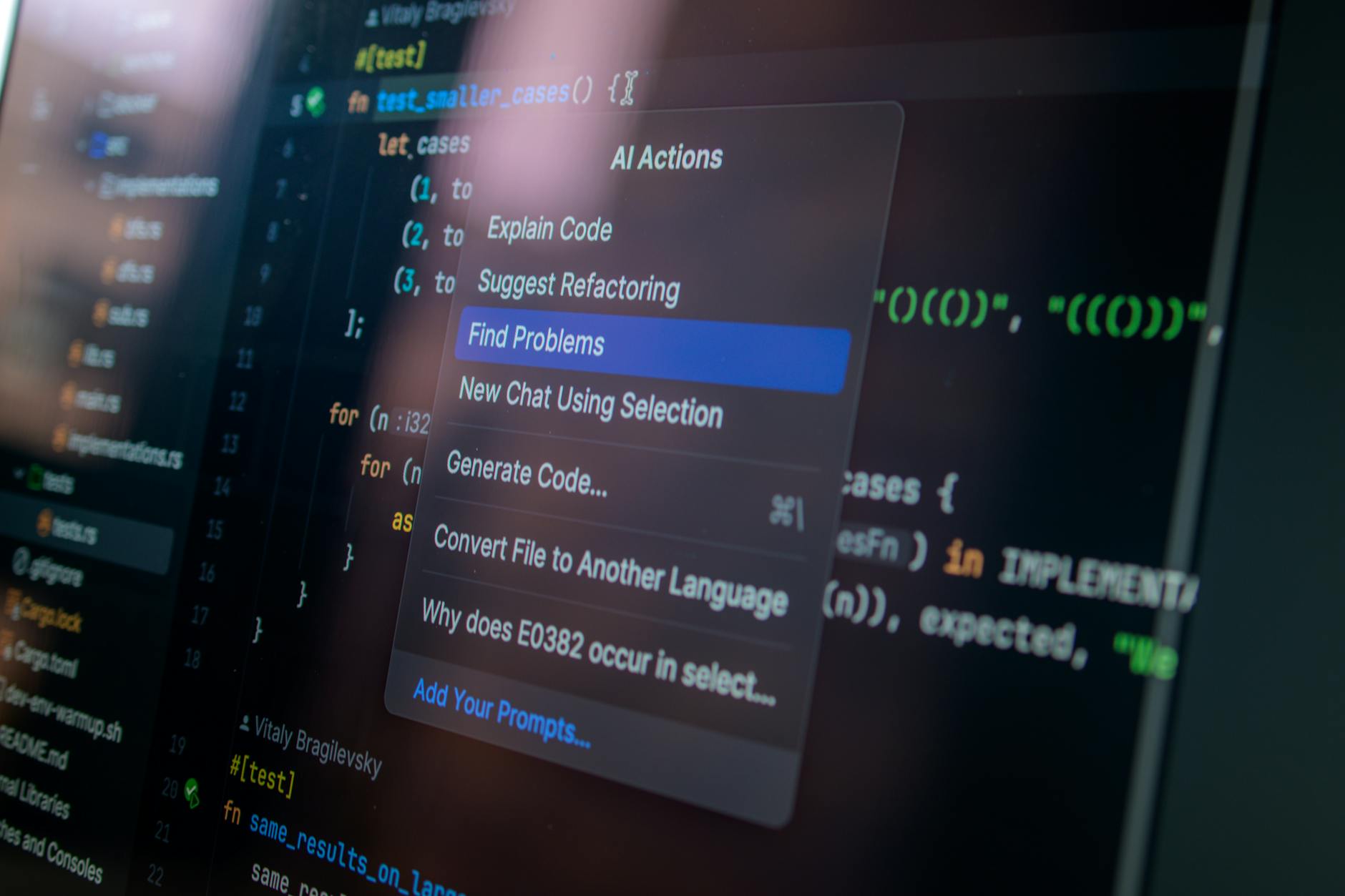
In a significant development for the AI landscape, OpenAI has been recognized as a leader in the 2026 Gartner Magic Quadrant for Enterprise AI Coding Agents. This recognition highlights the advancements made by OpenAI's Codex, which has emerged as a critical tool for enterprises looking to enhance their coding capabilities. As organizations increasingly turn to AI-driven solutions, OpenAI's position reflects not only the technology's robustness but also its innovative potential in transforming the software development process.
Key Takeaways
- OpenAI's Codex has been named a leader in the Gartner Magic Quadrant for Enterprise AI Coding Agents.
- The recognition underscores Codex's innovation and scalability for enterprise-level deployment.
- Enterprise coding agents like Codex are revolutionizing software development processes.
- This milestone marks a significant achievement for OpenAI as it solidifies its influence in the AI coding space.
- Organizations leveraging Codex can expect improved efficiency, reduced development time, and enhanced coding accuracy.
What Happened
Gartner's recent report has placed OpenAI firmly in the leadership quadrant of its Magic Quadrant for Enterprise AI Coding Agents. This report evaluates various coding agents based on their ability to innovate and scale, with Codex standing out due to its sophisticated capabilities and proven deployment in real-world enterprise settings. Codex, which operates on OpenAI’s advanced models, is designed to assist developers by generating code snippets, automating repetitive tasks, and even understanding natural language commands.
This recognition comes at a time when enterprises are grappling with the increasing complexity of software development and the demand for rapid deployment of applications. With the surge in programming languages and frameworks, tools like Codex are becoming essential for developers aiming to maintain productivity without compromising quality. OpenAI’s advancement towards making Codex a cornerstone for enterprise coding solutions speaks volumes about its potential to reshape the software development landscape.
Why This Matters
The acknowledgment of OpenAI as a leader in enterprise AI coding agents by Gartner is significant for several reasons. First, it validates the ongoing shift towards AI-enhanced development tools. As businesses seek efficiencies, the integration of AI into coding practices is becoming a necessity rather than an option. Codex’s capabilities offer a competitive edge, allowing organizations to streamline workflows, reduce human error in coding, and innovate faster.
Furthermore, this recognition can catalyze a broader acceptance of AI tools in software development across various industries. Companies that may have been hesitant to adopt AI technologies might feel more confident in investing in such solutions, especially with the backing of a respected authority like Gartner. The implications extend beyond just coding; they touch on how organizations can leverage AI to transform their overall approach to technology and operations.
Background and Context
The evolution of AI coding agents has been marked by significant advancements in natural language processing (NLP) and machine learning. Codex itself is built on the same architecture as GPT-3, one of the most advanced language models developed by OpenAI. Initially, AI models were primarily used for tasks like data analysis and customer service, but the application of AI in coding is a more recent development that shows immense promise.
As software development has evolved, so too have the tools that support it. Traditional coding practices require extensive manual input and error-checking, which can slow down the development lifecycle. AI-driven coding agents like Codex aim to change this by providing intelligent assistance that can produce code based on user intent. This evolution reflects a paradigm shift in software engineering, where human developers are supported by AI rather than replaced by it. The recognition from Gartner is a testament to the maturity and effectiveness of these technologies in enterprise settings.
Expert Analysis
The significance of Codex's recognition as a leader in the Gartner Magic Quadrant goes beyond just accolades; it points to a transformative trend in enterprise software development. Codex's ability to understand context and generate code snippets dynamically represents a leap forward in how developers interact with programming languages. This shift from manual coding to AI-assisted coding has profound implications for the industry.
For starters, Codex introduces a new level of accessibility to software development. Companies can tap into the coding capabilities of Codex without needing to hire extensive teams of developers. This democratization of coding means that more individuals, regardless of their technical background, can contribute to software projects. For instance, product managers and marketers can use Codex to prototype applications, allowing for increased collaboration across departments.
Additionally, the deployment of AI coding agents like Codex is likely to lead to a fundamental rethinking of the software development lifecycle. Traditional methodologies, which often involve lengthy planning and testing phases, may evolve to incorporate more iterative approaches driven by AI. Codex can generate rapid prototypes, enabling teams to test and iterate ideas much faster than before. This agility could be a game-changer for industries that rely on rapid product development, such as tech startups and e-commerce platforms.
What This Means for Enterprises
For enterprises, the recognition of Codex as a leader in AI coding agents indicates a promising avenue for improving development processes. Organizations that adopt Codex can expect several practical benefits. First, the efficiency gains from AI-driven coding can lead to faster project completion times. By automating repetitive tasks and generating code snippets, development teams can focus on higher-value tasks, such as architectural design and user experience.
Moreover, the accuracy of the code generated by Codex can help reduce bugs and errors that often plague software development. This accuracy not only leads to better product quality but also minimizes the need for extensive debugging, further accelerating the development lifecycle. As a result, businesses can deliver products to market more quickly, enhancing their responsiveness to customer needs and market changes.
Frequently Asked Questions
What is Codex and how does it work?
Codex is an AI-based coding assistant developed by OpenAI that can generate code snippets based on natural language commands. It leverages advanced machine learning models to understand user intent and produce relevant code in a variety of programming languages.
How can enterprises benefit from using Codex?
Enterprises can benefit from Codex by improving coding efficiency, reducing development time, and enhancing code accuracy. These benefits lead to faster project completion and improved product quality, which are crucial for maintaining competitiveness in the market.
Is Codex suitable for non-developers?
Yes, Codex is designed to be accessible to users with varying levels of coding experience. Non-developers, such as product managers or marketers, can use Codex to prototype applications or automate tasks, fostering greater collaboration across teams.
What are the future implications of AI coding agents like Codex?
The future implications include a potential shift in software development methodologies towards more iterative and agile processes, as well as a democratization of coding skills within organizations, allowing a broader range of employees to contribute to software projects.
The Road Ahead
Looking forward, the recognition of OpenAI as a leader in enterprise AI coding agents by Gartner signals the beginning of a new era in software development. As organizations increasingly adopt tools like Codex, we can expect to see a surge in innovation and efficiency across the tech landscape. The ability to quickly generate and iterate on code will not only streamline processes but also empower a new generation of developers and non-developers alike.
The road ahead for AI coding agents is filled with potential. As machine learning models continue to evolve, they will become even more sophisticated, allowing for deeper integration into the software development lifecycle. This evolution will likely lead to more personalized AI assistance, capable of understanding not only the technical requirements but also the strategic goals of an organization. Ultimately, the advancements in AI coding agents like Codex herald a future where technology and human creativity work hand in hand to drive innovation.