Nvidia Concedes China's AI Chip Market to Huawei: Implications Ahead
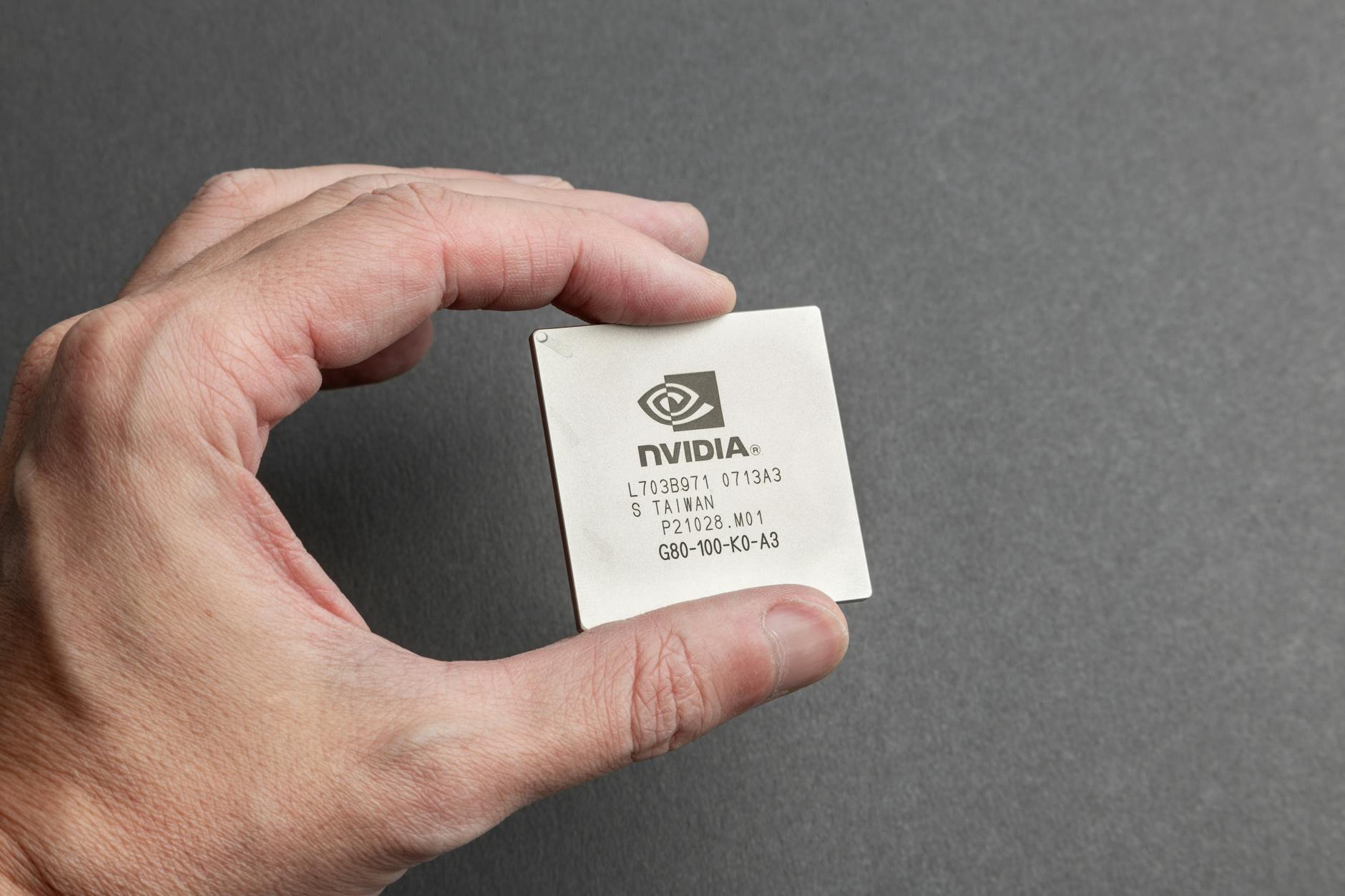
Nvidia's recent concession regarding the Chinese AI chip market has sent shockwaves through the tech industry, underscoring the complex interplay of geopolitics, competition, and technological advancement. In a candid statement, CEO Jensen Huang acknowledged that Nvidia has "largely conceded" this crucial market to Huawei, raising questions about the future of AI development and competition in one of the world's largest technology landscapes.
Key Takeaways
- Nvidia's CEO admitted to conceding the advanced AI chip market in China to Huawei.
- This shift illustrates the impact of geopolitical tensions on tech companies.
- Huawei's growth in AI technology is set against a backdrop of U.S. sanctions and export controls.
- China's AI chip market is projected to grow significantly, increasing competition between global tech giants.
- The broader implications may affect global supply chains and innovation strategies.
Nvidia's Position in the AI Chip Market
Nvidia has long been a leader in the AI chip sector, known for its powerful GPUs that are utilized in various applications, from gaming to data centers. However, the company's recent acknowledgment of Huawei's dominance in the Chinese market marks a significant pivot in their strategy and outlook. During a recent earnings call, Jensen Huang's remarks highlighted not only the competitive landscape but also the geopolitical realities impacting business operations in China.
China represents a massive opportunity for AI chip manufacturers, given its substantial investments in technology and AI research. Yet, U.S. restrictions and trade policies have complicated the landscape for American companies attempting to penetrate this lucrative market. Nvidia's admission signals a major concession, suggesting that the company may be reassessing its long-term strategies in light of these challenges.
Why This Matters
The implications of Nvidia's concession extend beyond mere market share. This acknowledgment hints at a broader trend within the technology industry, where geopolitical tensions are increasingly influencing business decisions. As the U.S. and China continue to engage in a tech cold war, companies operating in this space must navigate a complex web of regulations, tariffs, and competitive strategies.
Huawei's ascendance in the AI chip segment is not just a story of market dynamics; it also reflects China's aggressive push towards self-sufficiency in technology. With the Chinese government backing firms like Huawei, the landscape could become increasingly inhospitable for Western companies. This scenario raises questions about the balance of power in global tech, possibly leading to a bifurcated market where U.S. and Chinese technologies diverge significantly.
Background and Context
The AI chip market has grown exponentially over the past decade, driven by advancements in machine learning and deep learning applications. Nvidia has been at the forefront of this revolution, creating technologies that power everything from autonomous vehicles to sophisticated data analytics platforms. However, the emergence of Huawei as a formidable competitor highlights the shifting dynamics of this sector.
Historically, Huawei has faced significant challenges, particularly from U.S. sanctions that restricted its access to American technology. Despite these obstacles, the company has doubled down on its AI research and development, resulting in a range of innovative products that cater specifically to the Chinese market. This resilience has positioned Huawei to capture a significant share of the AI chip market, especially as domestic demand continues to surge.
Expert Analysis
Nvidia’s concession is a critical indicator of the challenges facing American tech companies in China. With Huawei's growing influence in AI, the U.S. chipmaker may be forced to rethink its competitive strategy. One key aspect of this situation is the technological race between the two nations; as China invests heavily in AI capabilities, the U.S. risks falling behind if it cannot effectively engage with this expanding market.
From a technical perspective, Huawei’s advancements in AI chip technology are noteworthy. The company has introduced products that not only match but, in some cases, exceed the performance of Nvidia’s offerings, particularly in the realms of efficiency and cost-effectiveness. This shift could lead to a paradigm change where Chinese companies begin to dominate not only the local market but potentially the global landscape as well.
Furthermore, the implications of this concession are not just limited to Nvidia and Huawei. The entire ecosystem of AI development could be impacted as companies and governments reconsider their investment strategies. A fragmented market between U.S. and Chinese technologies could lead to increased costs, reduced collaboration, and slower innovation across the board.
What This Means for the AI Industry
For developers and users, Nvidia’s concession may signal a shift in where AI innovations are developed and commercialized. As Huawei continues to enhance its capabilities, companies relying on Nvidia's chips might face dilemmas regarding future partnerships and investments. The competitive landscape will require developers to remain agile, adapting to changes in technology availability and performance.
Additionally, businesses that depend on AI technologies may need to diversify their supply chains, considering the potential for increased regulations and trade barriers. This shift could lead to a greater emphasis on local sourcing and innovation within respective markets, shaping the future of AI technologies in ways that were previously unimagined.
Frequently Asked Questions
What does Nvidia's concession mean for its future in AI?
Nvidia's concession may lead the company to reassess its competitive strategies in the AI chip market, potentially refocusing efforts on other regions or technologies where it maintains an edge.
How will Huawei's position affect the global AI market?
As Huawei strengthens its foothold in the AI chip market, it could drive innovation and competition, prompting companies worldwide to rethink their strategies and investments in AI technologies.
What impact will this have on U.S.-China relations in tech?
The growing dominance of Huawei in AI may exacerbate tensions between the U.S. and China, as both nations vie for technological supremacy and influence in the global market.
Are there risks for companies relying on Nvidia technology?
Yes, companies relying on Nvidia may face risks related to supply chain disruptions or increased costs if geopolitical tensions continue to impact trade and technology access.
The Road Ahead
As the tech landscape continues to evolve, the implications of Nvidia's concession are likely to unfold over the coming years. The competition between U.S. and Chinese companies in the AI sector will intensify, potentially leading to a bifurcated market where innovation follows different paths based on regional capabilities and restrictions. Companies in the AI space will need to stay ahead of the curve, adapting to changing conditions and exploring new avenues for growth.
The future of AI technology and development may hinge on how companies navigate these geopolitical challenges. As Huawei rises as a player in the market, the global ecosystem must respond to these changes, fostering collaboration and innovation to ensure that advancements in AI benefit a broader audience. With strategic adaptations, companies can leverage opportunities in both Western and Eastern markets, positioning themselves for success in an ever-changing landscape.