Christopher Nolan on AI: Why It Won't Replace Human Creativity
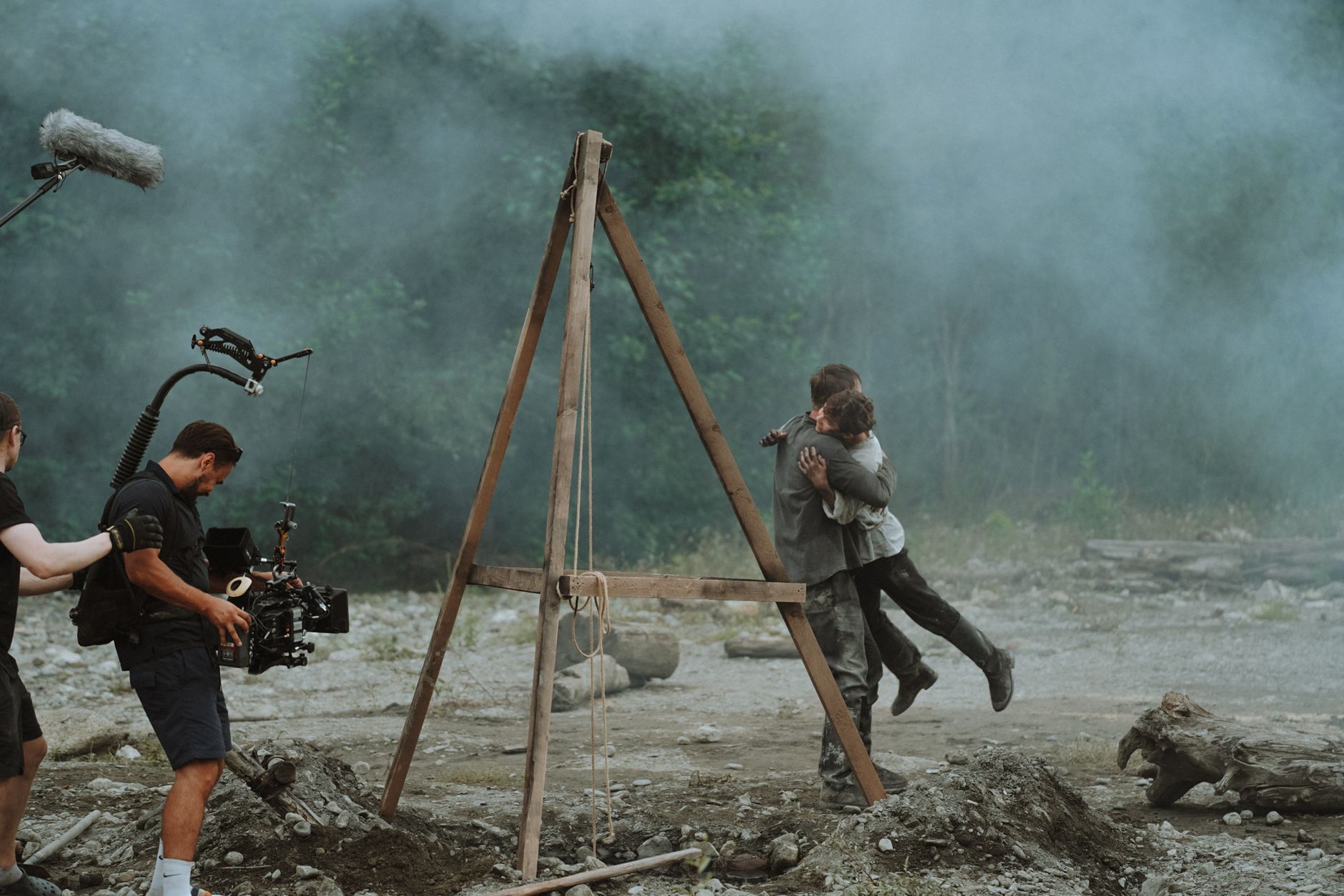
In a landscape increasingly defined by technological advancements, the conversation surrounding artificial intelligence (AI) often oscillates between cautious optimism and outright disdain. Renowned filmmaker Christopher Nolan recently weighed in on this debate, asserting that the fear of AI supplanting human creativity is largely unfounded. As he promotes his new film, Odyssey, Nolan highlights the enduring value of human artistry in an industry often perceived as threatened by the rise of intelligent machines.
Key Takeaways
- Nolan believes AI cannot replace the human element in filmmaking, especially for action-packed narratives.
- He argues that disdain for AI is rooted in misunderstanding its potential as a creative collaborator.
- The director addresses industry fears about AI's role in creative processes, emphasizing coexistence over replacement.
- Nolan dismisses right-wing criticisms of casting choices, asserting that such debates are irrelevant to the broader implications of AI.
- The conversation around AI in film reflects larger societal anxieties about technology and creativity.
Understanding Nolan's Perspective on AI
Christopher Nolan, known for his intricate narratives and visually stunning projects like The Dark Knight and Oppenheimer, recently spoke about the changing dynamics within the film industry due to the advent of artificial intelligence. In his view, the notion that AI will replace human artists is nothing short of nonsense. "People disdain AI, but I see it as a tool that can complement our creativity rather than undermine it," Nolan stated. This perspective invites a broader exploration of how AI technologies are integrated into creative industries without compromising the essence of human storytelling.
Nolan's comments come at a time when many in Hollywood express anxiety over the implications of AI in creative roles, from scriptwriting to editing and even acting. This discontent has fueled discussions about the potential for AI to disrupt traditional filmmaking processes. However, Nolan's focus lies in the longevity of human creativity and how AI can serve as a partner rather than a competitor.
Why This Matters
The implications of Nolan's statements extend beyond just his films; they resonate throughout the creative sector. As AI tools become more sophisticated, they raise pressing questions about authorship, creativity, and the future of artistic work. The fear that machines may replace human jobs is a legitimate concern across industries, yet Nolan's viewpoint underscores the importance of recognizing AI as an augmentation of human capability rather than a replacement. By positioning AI as a collaborator, filmmakers and artists can leverage technology to enhance their creative processes.
This perspective also reflects a broader cultural trend in which artists are increasingly adopting technology to push the boundaries of their work. Nolan's insistence on location shooting and practical effects serves as a reminder that while technology can innovate, it does not necessarily have to eclipse traditional techniques. As filmmakers navigate this evolving landscape, the challenge lies in balancing innovative technologies with the core values that define storytelling.
Background and Context
Historically, the relationship between technology and creativity has been fraught with tension. From the invention of the camera to the rise of CGI, each technological advancement has prompted fears about the erosion of human artistry. The emergence of AI, however, introduces a unique dynamic. Instead of merely being a tool for execution, AI has the potential to generate content and make autonomous creative decisions, raising ethical and philosophical questions about the nature of creativity itself.
As the film industry grapples with these changes, it’s crucial to understand the historical context of technological disruption. Many artists have adapted to new tools, adapting their methods while retaining their creative essence. Nolan's filmmaking style, rooted in traditional methods yet open to innovation, exemplifies the potential for coexistence. His work showcases how cinematic narratives can incorporate advanced technology while remaining grounded in human experience.
Expert Analysis
Delving deeper into Nolan's perspective reveals a nuanced understanding of both AI's capabilities and its limitations. AI can process vast amounts of data and identify patterns, which can greatly assist in tasks such as script analysis, audience targeting, and even generating preliminary sketches for storyboards. However, the essence of storytelling—empathy, emotion, and nuanced character development—remains a distinctly human domain. Nolan's assertion that AI will not replace filmmakers speaks to the understanding that while technology can enhance processes, it lacks the innate ability to understand human experiences deeply.
This distinction is crucial as the industry navigates the balance between utilizing AI and preserving the core elements that make films resonate. Additionally, the filmmaker's emphasis on shooting on location rather than relying solely on CGI reflects a commitment to authenticity in storytelling. This authenticity, which is inherently human, cannot be replicated by AI, no matter how advanced it becomes.
It is also worth noting that Nolan's views come amidst a broader cultural critique regarding the role of technology in creative fields. Critics often express concern about the mechanization of art, fearing that the integration of AI could lead to homogenized content devoid of unique voices. Nolan's perspective counters this narrative, advocating for a collaborative model that respects both technological advancements and the irreplaceable essence of human creativity.
What This Means for Filmmakers and Creators
For filmmakers and creators, Nolan's insights present a roadmap for navigating the evolving landscape of AI in the industry. Embracing AI as a tool rather than a threat allows for innovative storytelling approaches that can enhance viewer engagement. Filmmakers can leverage AI for tasks like data analysis, audience insights, and even pre-visualization, freeing them to focus on the creative aspects of storytelling.
Furthermore, as the industry adapts to these changes, the demand for human-centric narratives will likely remain strong. Audiences crave authentic experiences, and the emotional resonance that comes from human experiences cannot be replicated by algorithms. Filmmakers who prioritize genuine storytelling amidst technological advancements will likely stand out in a saturated market.
Moreover, Nolan's dismissal of political critiques regarding casting choices serves as a reminder that the conversation around AI and creativity should not become mired in distractions. The focus must remain on how technology can enhance artistic expression, allowing creators to push the boundaries of their work while remaining true to the human experience.
Frequently Asked Questions
Will AI replace human filmmakers?
No, experts like Christopher Nolan argue that AI will not replace human filmmakers but will serve as a complementary tool that enhances the creative process.
How can filmmakers incorporate AI into their work?
Filmmakers can utilize AI for tasks such as script analysis, audience engagement insights, and pre-visualization while retaining control over creative decisions.
What are the ethical considerations of using AI in filmmaking?
Ethical concerns include authorship rights, the potential for homogenization of content, and the importance of maintaining authenticity in storytelling.
How does AI affect the audience experience?
AI can help filmmakers tailor content to audience preferences but the emotional connection and unique narratives remain rooted in human creativity.
The Road Ahead
As the film industry continues to evolve, the dialogue surrounding AI's role in creative processes will become increasingly vital. Filmmakers like Christopher Nolan advocate for a future where technology and human creativity coexist, allowing for innovative storytelling that resonates with audiences. The challenge will be to harness the capabilities of AI while ensuring that the human touch remains at the forefront of artistic endeavors.
Nolan's optimism about the future of filmmaking amidst technological advancements serves as a beacon for creators navigating this uncertain landscape. By embracing AI as a tool for enhancement rather than a competitor, filmmakers can continue to tell compelling stories that reflect the complexities of the human experience. The road ahead will require creativity, adaptability, and a commitment to authenticity—qualities that define what it means to be a storyteller in an age of AI.