The Next Phase of Artificial Intelligence: Bridging Digital and Physical Worlds
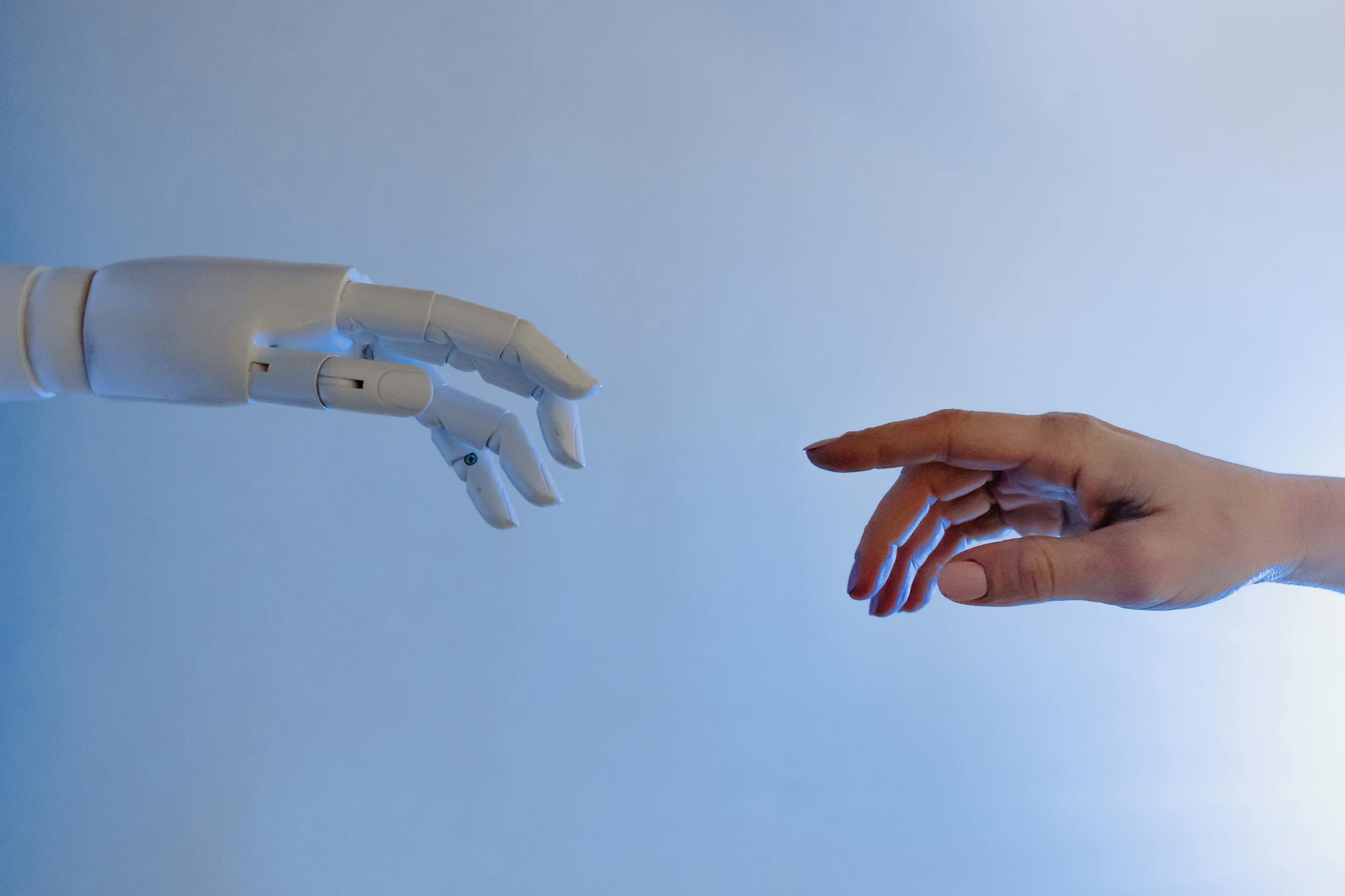
The evolution of artificial intelligence (AI) is set to enter a transformative phase, with experts like Yann LeCun and JP Vert discussing the imminent integration of AI technologies into the tangible world around us. As large language models (LLMs) continue to develop, the challenge lies in translating their digital capabilities into physical applications. This transition involves not just innovative techniques but also the infrastructure required to support these advancements.
Key Takeaways
- The next phase of AI involves integrating large language models into physical systems.
- Building new infrastructures is essential for supporting advanced AI applications.
- Yann LeCun and JP Vert emphasize the synergy between AI and the physical world.
- Future AI components will require rethinking how we design and implement technology.
- This transformation has implications across industries, from healthcare to manufacturing.
The Next Phase of AI: What’s Happening?
In a recent discussion on Bloomberg Technology, AI luminaries Yann LeCun, Chief AI Scientist at Meta, and JP Vert, a prominent researcher, explored the future of artificial intelligence and its potential to bridge the gap between digital and physical realms. Their conversation revealed that the next phase of AI is not simply about improving algorithms or enhancing computational power but rather about creating a robust framework that allows AI to interact meaningfully with the physical world.
LeCun and Vert highlighted the importance of large language models (LLMs) in this transformation. LLMs have revolutionized how we process and generate human language, but their potential extends beyond digital text. The challenge now is to adapt these models for practical applications in robotics, automation, and other physical interactions. The integration of AI into these domains requires new tools, techniques, and infrastructures, which are currently in various stages of development.
Why This Matters
The implications of moving AI from a purely digital context into the physical realm are vast. For industries ranging from healthcare to transportation, this evolution represents an opportunity to improve efficiency, accuracy, and overall effectiveness. For example, in healthcare, AI could assist in surgeries or patient monitoring, while in transportation, AI-driven systems could enhance logistics and traffic management.
Moreover, the discussion by LeCun and Vert touches on the need for new infrastructures to facilitate this transition. As AI systems become more integrated into everyday processes, the demand for robust, scalable, and secure infrastructures will grow. This need represents both a challenge and an opportunity for tech companies, governments, and policymakers to innovate and invest in the necessary frameworks that will support these advancements.
Background and Context
The roots of modern AI can be traced back to a combination of advancing computational power, the availability of vast datasets, and breakthroughs in machine learning techniques. In particular, the development of neural networks and deep learning has enabled AI to process and learn from unstructured data more effectively than ever before. LLMs like GPT-4 have emerged as some of the most sophisticated models, capable of understanding and generating human language with remarkable accuracy.
Despite these advancements, the application of AI has largely remained confined to digital environments. The leap to physical applications involves overcoming significant hurdles, including the need for real-time processing, sensory feedback, and the ability to operate in unpredictable environments. The conversation initiated by LeCun and Vert signals a growing recognition that the next phase of AI must address these challenges head-on.
Expert Analysis
The transition to integrating AI with physical systems raises numerous technical and ethical questions. For practitioners in the field, the challenge lies in designing systems that not only function effectively but also do so safely and ethically. As AI begins to influence physical processes, the need for oversight and guidelines becomes paramount. This is particularly true in sectors like healthcare, where errors can have life-altering consequences.
Furthermore, the conversation around infrastructure development cannot be overlooked. Building the necessary frameworks for AI to operate in the physical world requires collaboration between tech companies, hardware manufacturers, and regulatory bodies. This interdisciplinary approach is vital to ensure that AI systems are not only efficient but also secure and trustworthy. The integration of AI into physical systems will necessitate new standards for data privacy, security, and ethical use.
What This Means for Industries and Users
For industries, the integration of AI into physical systems can lead to enhanced operational efficiency and innovation. For instance, in manufacturing, AI can streamline production processes, reduce waste, and improve quality control. This transformation could also lead to the emergence of smart factories, where AI systems oversee and optimize operations in real time.
For users, the implications are profound. As AI becomes more embedded in everyday life, users will encounter more intuitive and responsive systems, whether in home automation, healthcare, or transportation. However, this also brings challenges around data privacy and security as AI systems collect and process vast amounts of personal information. Users will need to be informed and engaged in discussions about how their data is used and protected in an AI-driven world.
Frequently Asked Questions
What are large language models (LLMs)?
Large language models are advanced AI systems trained on vast amounts of text data to understand and generate human-like language. They can perform a variety of tasks, including translation, summarization, and conversation generation.
How will AI impact physical industries?
AI is expected to enhance efficiency and effectiveness across various physical industries, including healthcare, manufacturing, and transportation, by automating processes and improving decision-making.
What challenges exist in integrating AI with physical systems?
Challenges include the need for real-time processing, sensory feedback, and the ability to operate safely in unpredictable environments. Ethical considerations around safety and privacy are also paramount.
What role will infrastructure play in the next phase of AI?
Robust infrastructure is essential to support the deployment of AI in physical systems. This includes developments in hardware, software frameworks, and regulatory standards to ensure secure and efficient operation.
The Road Ahead
As we look to the future, it is clear that the next phase of AI will involve significant changes in how we interact with technology. The integration of AI into the physical world promises to enhance our capabilities and transform industries. However, this transformation will require careful planning and collaboration among stakeholders across sectors.
In conclusion, as experts like LeCun and Vert emphasize, the journey towards a more integrated AI ecosystem is just beginning. The steps taken today in developing infrastructure and addressing ethical considerations will pave the way for a future where AI and physical systems work seamlessly together, fundamentally changing our world for the better.