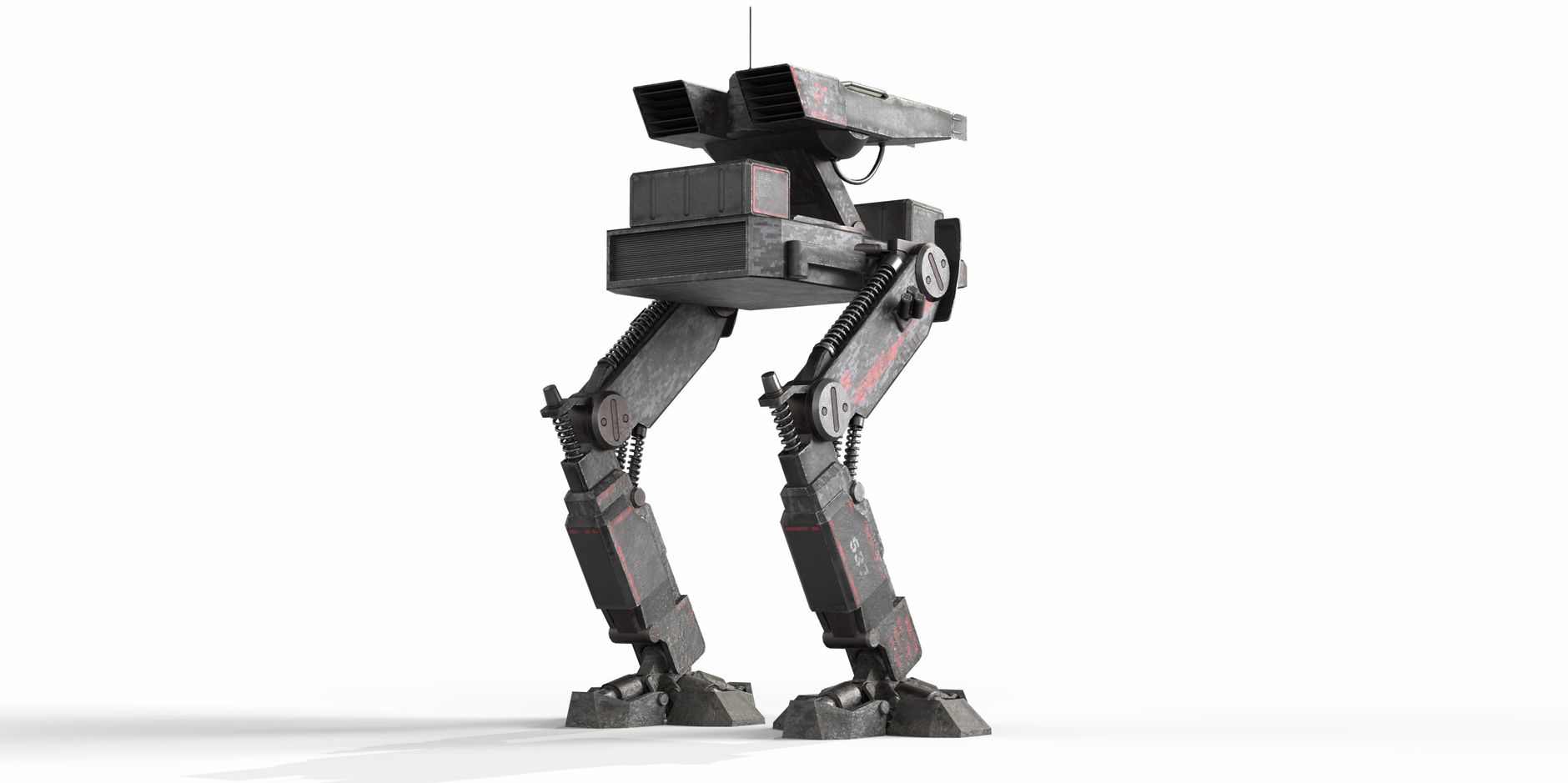
The New Art of War: How AI and Drones Redefine Modern Combat
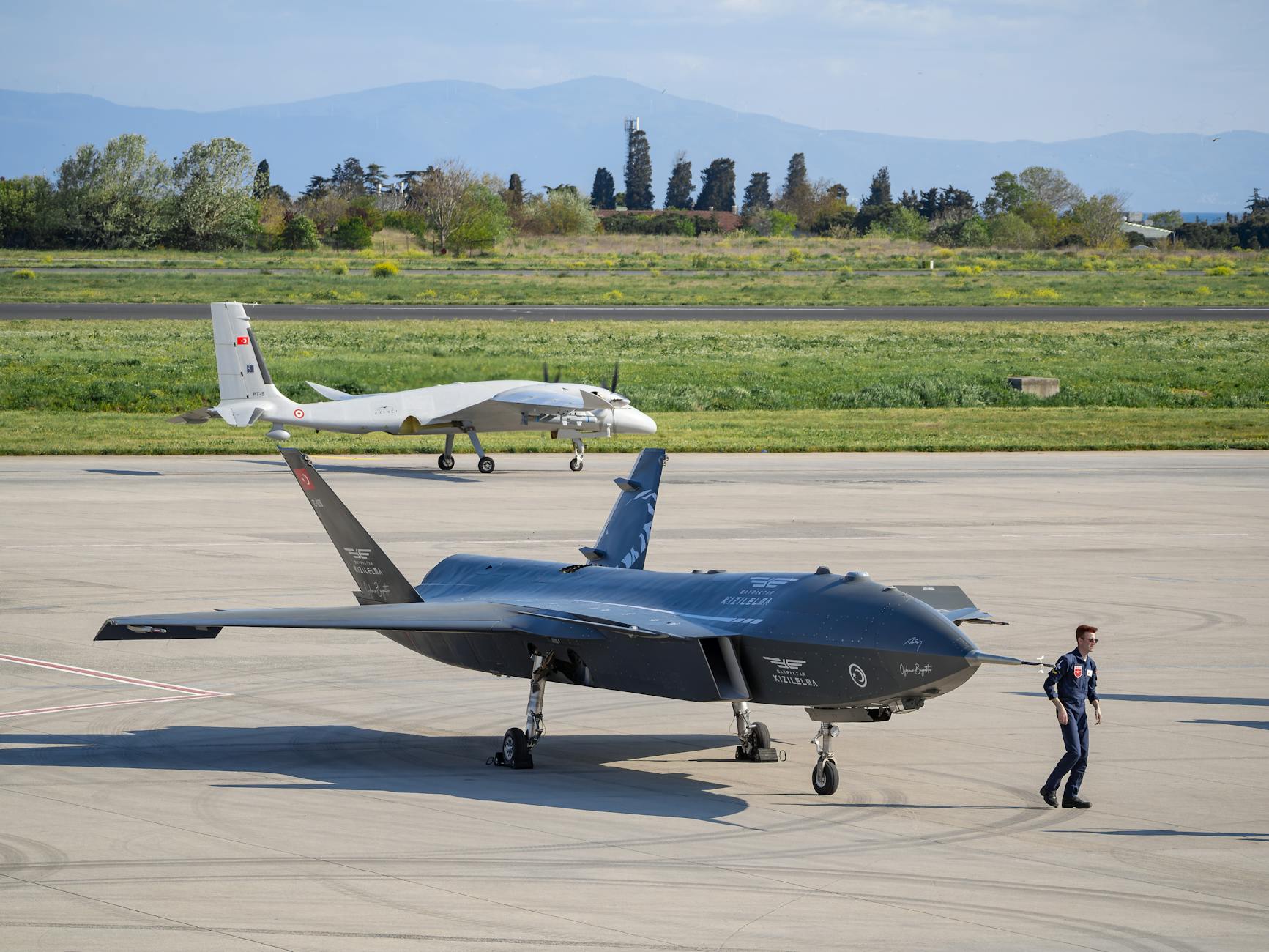
In a world where technological advancements promise to enhance battlefield efficiency, the reality of modern warfare has become startlingly brutal. The rise of armed drones and artificial intelligence (AI) has transformed the frontline into treacherous kill zones that echo the horrors of World War I. This shift redefines the art of war, where remote engagements and automated systems lead to unprecedented tactical advantages, yet significant moral dilemmas.
Key Takeaways
- The integration of armed drones and AI in warfare creates complex kill zones reminiscent of World War I.
- Modern warfare prioritizes technological superiority, changing engagement strategies and battlefield dynamics.
- Increased reliance on AI raises ethical concerns regarding accountability and the nature of combat.
- Global military powers are scrambling to innovate and adapt to these new realities.
- The evolution of warfare has far-reaching implications for international security and military strategies.
The Transformation of Modern Warfare
The battlefield today bears little resemblance to the traditional combat scenarios of the past. The introduction of armed drones and AI technology marks a significant shift in how wars are fought. Drones, capable of surveillance and strikes, allow military forces to engage targets from a distance, drastically reducing the risk to human soldiers. This technological leap comes with its own set of challenges, making confrontations more lethal and less predictable.
As highlighted in the original reporting by Technology, the frontline has become a chaotic environment where the potential for collateral damage is higher than ever. The term "kill zone" has evolved to encompass areas where drones can operate with lethal precision, often without direct human oversight. This phenomenon not only heightens the stakes for military personnel but also for civilians caught in conflict zones.
In recent conflicts, such as in Ukraine, the impact of drones has been profound. Both sides in the conflict have utilized drone technology for reconnaissance and precision strikes, leading to a significant increase in battlefield casualties. The speed of information processed by AI can lead to rapid decision-making processes that might overlook human judgment, highlighting the need for a reevaluation of engagement protocols.
Why This Matters
The implications of these advancements are staggering. Military strategies that once relied heavily on troop movements and static defenses must now incorporate complex aerial dynamics and AI decision-making frameworks. This shift in warfare not only affects military tactics but also international relations and defense policies.
Countries around the globe are racing to enhance their capabilities, leading to an arms race in drone and AI technology. The dynamics of power are shifting, with nations that can incorporate these technologies effectively gaining a significant advantage. This reality is particularly concerning as nations with fewer regulations or ethical considerations may unleash drones in conflicts without sufficient oversight.
Background and Context
Historically, warfare has evolved through various phases, each marked by technological advancements. From the invention of gunpowder to the development of mechanized infantry, each innovation has redefined combat. However, the advent of drones and AI represents a paradigm shift unlike any previous transformation.
The use of drones in warfare began in earnest in the early 2000s, primarily for surveillance purposes. Over time, their capabilities expanded, allowing for targeted strikes without the need for manned aircraft or ground troops in immediate proximity. As military leaders adopted these technologies, the concept of a "just war" has come under scrutiny, particularly regarding the ethical implications of remote warfare.
Expert Analysis
While armed drones and AI provide tactical advantages, they also pose significant ethical dilemmas. The question of accountability arises when autonomous systems make life-and-death decisions. Who is responsible in the event of a miscalculation? The operator, the manufacturer, or the military leadership?
Moreover, the psychological impact on soldiers operating drones from miles away cannot be overlooked. The detachment brought by remote warfare may lead to desensitization and a lack of accountability, which can erode the moral fabric of military conduct. This detachment is in stark contrast to the visceral realities faced by those in close combat, creating a disconnect that could influence future generations of military personnel.
Additionally, the proliferation of such technologies among non-state actors poses a new threat. As drones become more accessible, groups with less stringent ethical guidelines could employ them in conflicts, resulting in a chaotic escalation of violence. The potential for misuse raises questions about national and international security and the effectiveness of existing regulations.
What This Means for Military Strategy and Policy
The integration of drones and AI into military operations necessitates a reevaluation of existing strategies. Military leaders must adapt to a landscape where conventional tactics may no longer apply. This adaptation includes developing new doctrines that account for the speed and efficiency of drone warfare.
Furthermore, policymakers must address the ethical implications of such technologies. Regulations surrounding autonomous weapons systems need to be established to ensure accountability and minimize civilian casualties. International treaties may be required to govern the use of drones and AI in warfare, similar to those that currently exist for chemical and biological weapons.
Frequently Asked Questions
What role do drones play in modern warfare?
Drones are used for surveillance, reconnaissance, and targeted strikes, allowing military forces to engage from a distance while minimizing risk to personnel.
How does AI impact decision-making in military operations?
AI assists in analyzing vast amounts of data quickly, enabling faster decision-making. However, this raises concerns about accountability and the potential for errors in judgment.
What ethical concerns are associated with the use of armed drones?
The use of armed drones raises questions about accountability, civilian casualties, and the moral implications of remote warfare.
How are countries responding to the rise of drone warfare?
Nations are investing in drone technology and developing strategies to enhance their military capabilities, leading to an arms race in advanced warfare technologies.
The Road Ahead
The future of warfare is likely to be shaped by the ongoing integration of drones and AI. As these technologies continue to evolve, military strategies will need to be reexamined and adapted to address new challenges. The implications for international security are profound, necessitating collaboration among nations to create frameworks that govern the use of these technologies responsibly.
As we move forward, the importance of establishing ethical guidelines for the use of AI in warfare cannot be overstated. The international community must engage in discussions to create regulations that balance military effectiveness with humanitarian concerns. Without such measures, the potential for misuse and unintended consequences looms large, threatening to destabilize global peace and security.