MiniMax Shares Tumble: Analyzing JPMorgan's Price Target Cut
In a significant blow to investor confidence, MiniMax Group Inc. has seen its shares take a sharp dive following a second price target cut by JPMorgan Chase & Co. within a week. The financial giant's reassessment stems from concerns over value dilution linked to the company’s recent fundraising efforts, raising questions about the long-term sustainability and market positioning of the Chinese AI model maker. This article delves into the implications of this development for MiniMax as well as the broader AI industry landscape.
Key Takeaways
- MiniMax's shares fell sharply after JPMorgan cut the company's price target for the second time in a week.
- The cuts are attributed to concerns about value dilution stemming from upcoming fundraising activities.
- Investors are increasingly wary of the sustainability of MiniMax's rapid growth amidst rising operational costs.
- The situation highlights the volatile nature of the AI market and the potential risks associated with rapid fundraising.
- Broader market sentiment may be affected as investors reassess their positions in AI-focused companies.
Recent Developments in MiniMax's Financial Landscape
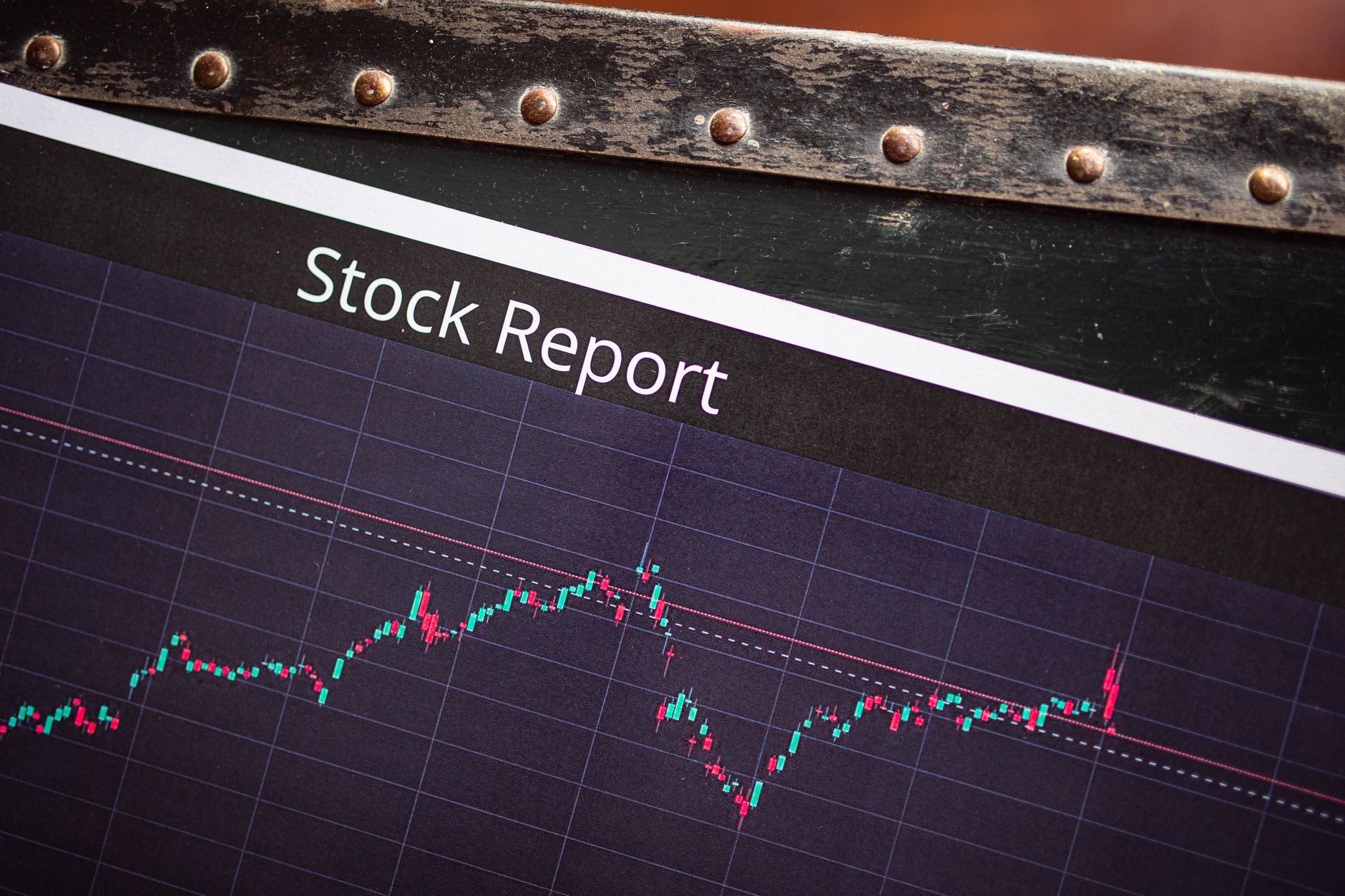
On July 13, 2026, MiniMax Group Inc. faced a sharp decline in its stock price as JPMorgan announced a significant reduction in its price target for the company. This marked the second downward adjustment made by the bank in less than a week, indicating a growing concern among analysts regarding the firm’s valuation amidst its aggressive fundraising strategies. Previously, investors had been optimistic about MiniMax's ambitious growth plans, particularly in the fast-paced AI sector. However, the recent changes have prompted a reassessment of the company's financial health.
The price target cut was primarily driven by fears of value dilution as MiniMax prepares for a substantial fundraising round. This effort, aimed at fueling the company's expansion and development initiatives, has raised alarms among investors who are apprehensive about the potential impact on existing shareholders. As the company considers issuing more shares to raise capital, questions arise about how this will affect the stock's overall market value and the confidence of current and prospective investors.
Why This Matters
The implications of MiniMax's share price slump extend beyond the company's immediate financial situation. As a player in the competitive AI landscape, MiniMax's struggles could resonate throughout the industry, particularly among other tech firms that rely heavily on investor funding for growth. The AI sector, which has been characterized by rapid advancements and funding surges, is increasingly under scrutiny as market volatility becomes more pronounced.
Additionally, the situation raises critical questions about the sustainability of growth within the AI domain. While companies like MiniMax push the boundaries of innovation, the escalating costs associated with research and development, coupled with the need for ongoing funding, could lead to instability for firms that have not yet achieved profitability. The hesitance of investors, as demonstrated by JPMorgan's actions, reflects a broader sentiment that could shape future investment trends within the sector.
Background and Context
MiniMax Group Inc. has positioned itself as a prominent player in the AI model-making industry, capitalizing on the growing demand for AI solutions across various sectors. Founded in [insert year], the company quickly gained traction due to its innovative approaches and robust product offerings. However, the rapid pace of growth and the competitive nature of the AI market have necessitated aggressive fundraising strategies to maintain momentum.
Historically, AI companies have experienced significant fluctuations in their stock prices, often correlating with funding rounds, product launches, and market sentiment. In MiniMax's case, the recent price target cuts by JPMorgan underscore the critical importance of investor confidence in determining stock valuations. As the industry evolves, companies must navigate the delicate balance between ambitious growth trajectories and financial stability.
Expert Analysis
The recent downturn in MiniMax's share price following JPMorgan's reassessment offers a unique opportunity to analyze the broader implications of funding strategies within the AI sector. As companies pursue aggressive growth through fundraising, they often face the challenge of maintaining investor confidence while addressing potential dilution concerns.
JPMorgan's price target cuts can be seen as a cautionary signal for other companies in similar positions. As investors grow wary of the potential risks associated with continuous fundraising, they may become more selective about where to allocate their resources. This trend could lead to increased pressure on startups and emerging companies to demonstrate profitability or clear paths to profitability before securing additional funding.
Moreover, the rapid pace of innovation in the AI space, while exciting, can also lead to unsustainable growth patterns. Companies that prioritize speed over strategic planning may find themselves in precarious positions, especially if market conditions shift. MiniMax's situation exemplifies the potential consequences of aggressive growth without a solid foundation to support it.
What This Means for Investors and the AI Landscape
For investors, the events surrounding MiniMax serve as a reminder to approach tech investments, especially in the AI sector, with caution. The volatility demonstrated in MiniMax's share price highlights the risks associated with investing in companies that rely heavily on funding to sustain growth. Investors should carefully evaluate a company's financial health, growth strategies, and market positioning before making decisions.
Furthermore, the challenges faced by MiniMax could signal a shift in investor sentiment towards more established firms with proven track records. As the AI market matures, investors may favor companies that offer stability and clear paths to profitability over those that are still in their growth phases. This shift could reshape the competitive landscape, as emerging firms may struggle to secure funding amidst heightened scrutiny.
Frequently Asked Questions
1. Why did JPMorgan cut MiniMax's price target?
JPMorgan cut MiniMax's price target due to concerns about value dilution stemming from the company's upcoming fundraising efforts. This raised questions about the sustainability of MiniMax's growth.
2. What are the broader implications of MiniMax's share price decline?
The decline in MiniMax's share price could signal a reevaluation of investment strategies within the AI sector, with investors becoming more cautious about companies that rely heavily on continuous fundraising.
3. How does fundraising affect a company's stock value?
Fundraising can affect a company's stock value through potential dilution of shares, which may lead to a decrease in stock prices if investors perceive the company as less valuable post-fundraising.
4. What should investors consider before investing in AI companies?
Investors should consider a company's financial health, growth strategy, market positioning, and potential risks associated with rapid fundraising before making investment decisions.
The Road Ahead
Looking ahead, MiniMax's ability to navigate the current challenges will be critical in determining its long-term success. The company must not only reassure investors about its growth strategy but also demonstrate a clear path to profitability. This may involve tightening operational efficiencies, refining its product offerings, and ensuring that fundraising efforts do not compromise shareholder value.
For the AI industry as a whole, the situation with MiniMax serves as a warning. As the sector continues to evolve, companies will need to balance innovation with financial stability. The ongoing volatility in investor sentiment may prompt a more cautious approach to funding and growth, shaping the future landscape of AI development and investment.