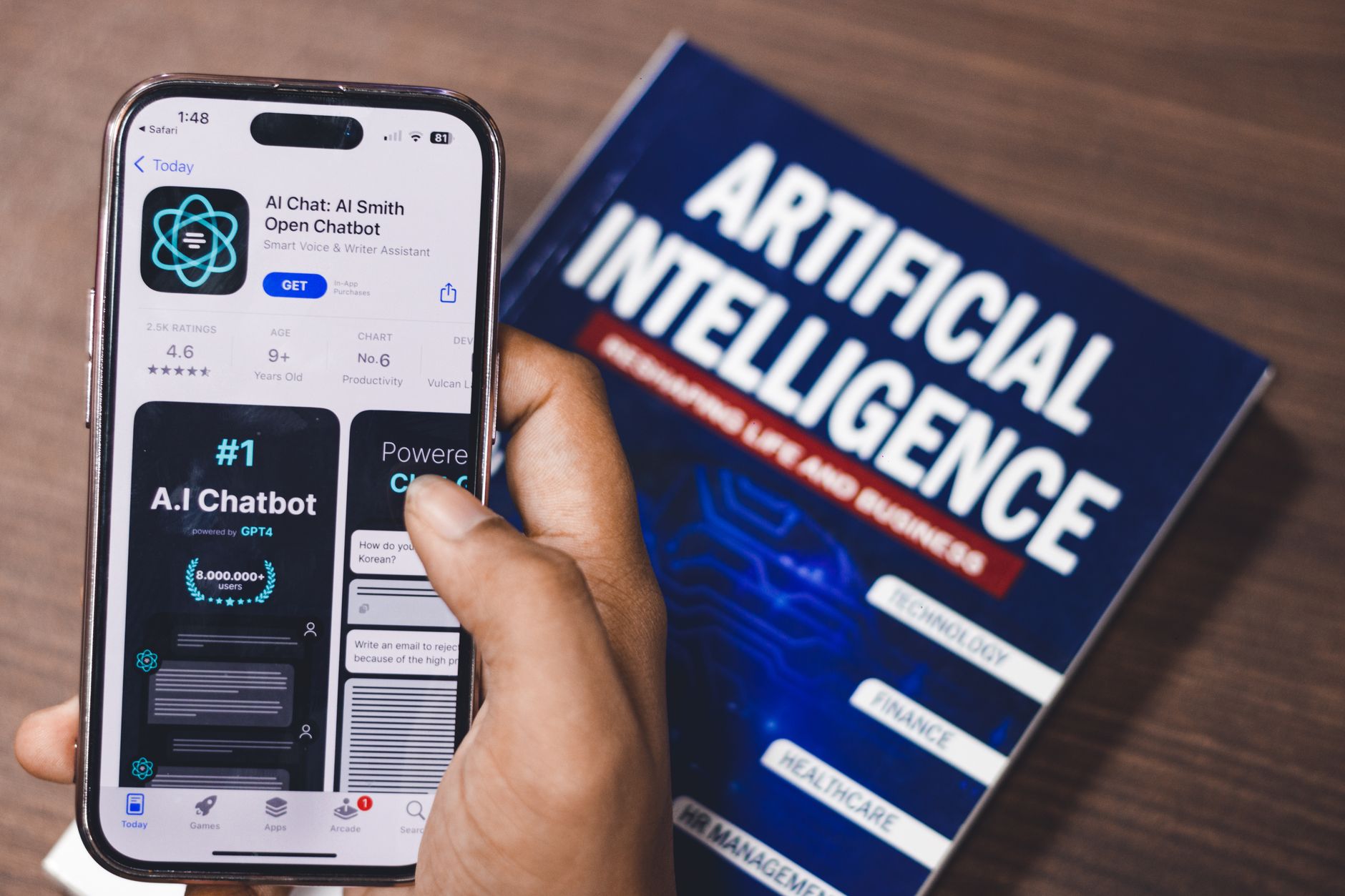
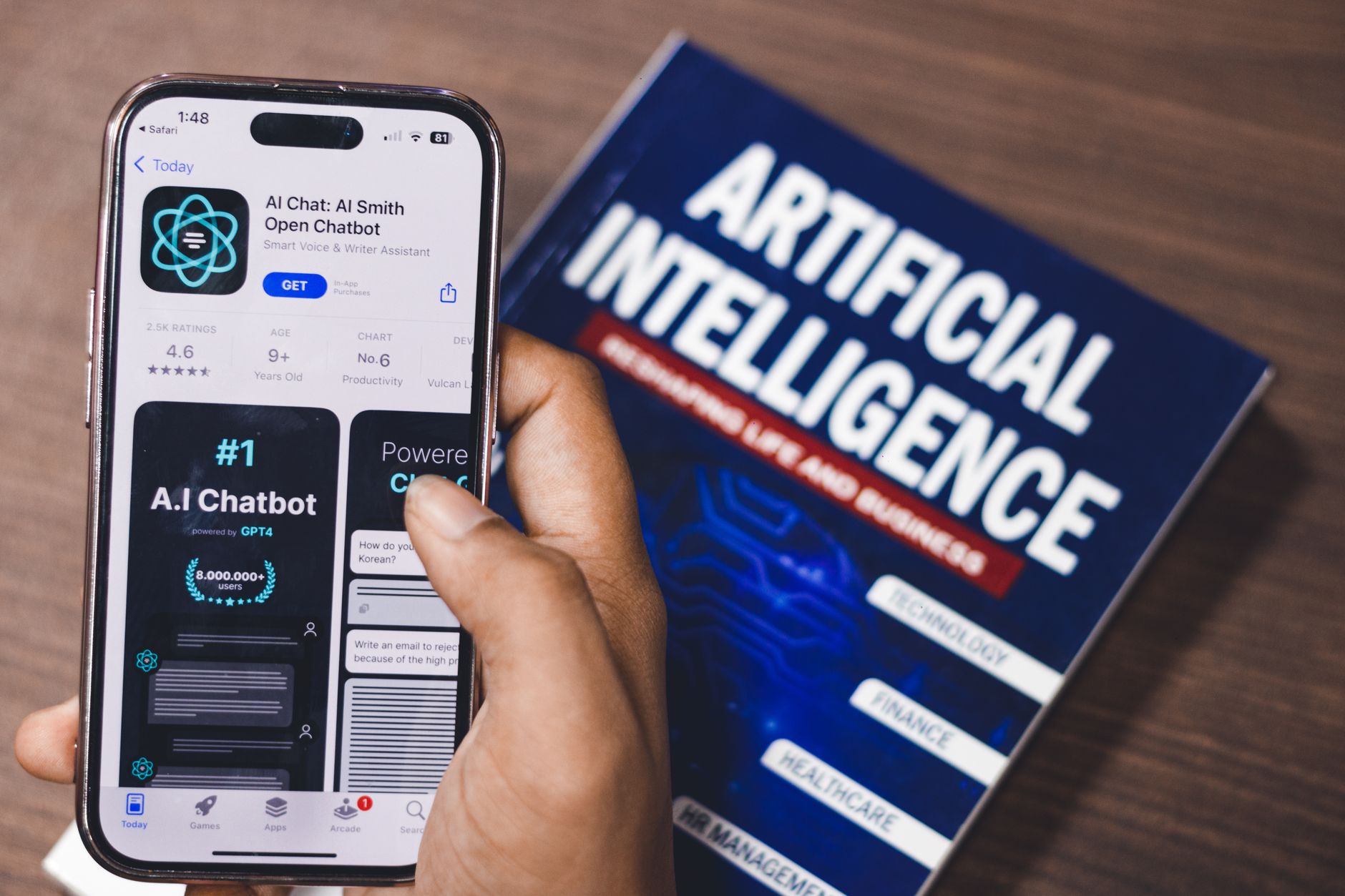
Microsoft's Strategic Shift: Xbox Layoffs Amid AI Focus
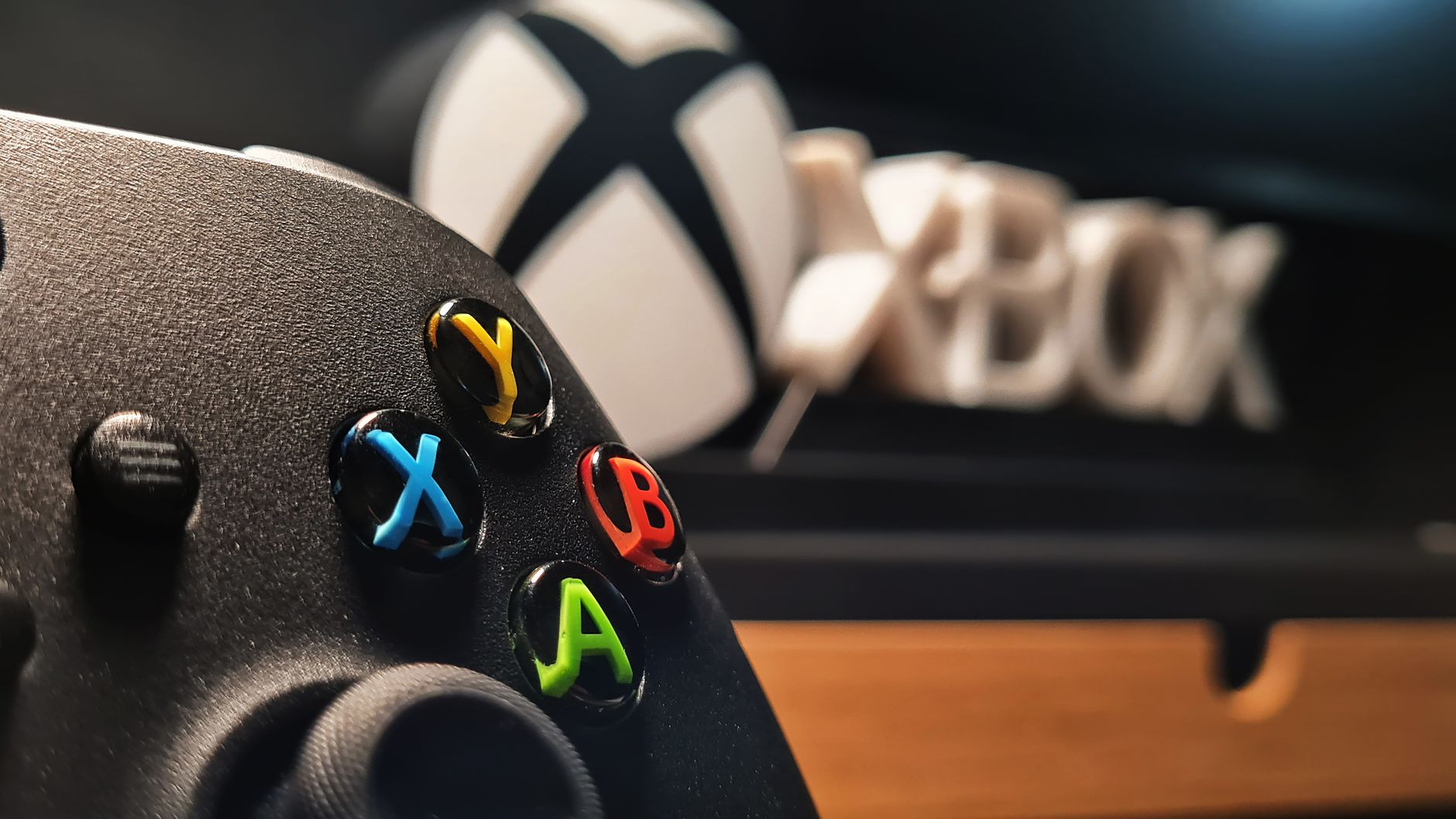
In a shocking turn of events, Microsoft has announced significant layoffs within its Xbox division, affecting thousands of employees and resulting in the closure of several game studios. This decision marks a critical juncture for the tech giant, illustrating a broader shift in priorities towards artificial intelligence (AI) over traditional gaming operations. As the gaming industry grapples with these changes, the implications for employees, gamers, and the market at large unfold.
Key Takeaways
- Microsoft has laid off thousands of Xbox employees, part of a larger restructuring effort.
- The layoffs coincide with the closure of multiple game studios within the company.
- This move is driven by a strategic pivot towards investing in artificial intelligence technologies.
- The gaming industry is facing unprecedented challenges as companies adapt to new consumer behaviors and technological advancements.
- This decision raises questions about the future of gaming jobs and the impact on game development.
Microsoft’s Layoffs and Game Studio Closures
Microsoft’s recent layoffs represent a seismic shift in its approach to the gaming sector, signaling a deliberate reallocation of resources away from traditional gaming operations. The company has reportedly let go of thousands of employees across various departments within its Xbox division, with notable closures of several game studios, including the once-prominent Playground Games and 343 Industries that were key players in Microsoft's gaming portfolio.
The layoffs were part of Microsoft’s wider strategy to cut costs across the organization as it prioritizes investment in AI. With the increasing demand for AI capabilities across industries, Microsoft is channeling its resources into developing cutting-edge AI tools and products, thereby diminishing its focus on the Xbox gaming ecosystem. This decision reflects the company’s belief that AI will be central to its future growth and competitiveness, potentially at the expense of its gaming workforce.
Why This Matters
The ramifications of Microsoft’s layoffs extend far beyond the walls of its Xbox division. By prioritizing AI, Microsoft is positioning itself to lead in a technological arena that is poised to reshape multiple sectors, including gaming. The integration of AI into game development and user experiences can lead to significant advancements, such as personalized gaming experiences, enhanced graphics, and more responsive gameplay. However, this shift also raises concerns about job security for those within the gaming community.
Moreover, the consolidation of resources towards AI reflects a broader trend within the tech industry, where companies are increasingly investing in machine learning, data analytics, and automation. As competitors like Google and Amazon continue to innovate in the AI space, Microsoft’s decision may be seen as a necessary step to remain competitive. The long-term implications of these layoffs could reshape the gaming industry landscape, impacting everything from game quality to employment opportunities.
Background and Context
Historically, Microsoft has been a significant player in the gaming industry since the launch of its original Xbox console in 2001. The company has invested heavily in gaming technologies, acquiring notable studios such as Zenimax Media and Activision Blizzard. However, the gaming sector has faced numerous challenges recently, including shifts in consumer preferences, the rise of mobile gaming, and competition from emerging platforms.
The gaming landscape has been rapidly evolving, with a noticeable trend towards multiplayer online games and subscription services. Companies have had to adapt quickly to stay relevant. Microsoft’s previous forays into cloud gaming with Xbox Cloud Gaming and its Game Pass subscription service illustrate a significant pivot in its business strategy. Yet, with the growing importance of AI, the company now appears to be willing to sacrifice its traditional gaming operations to bolster its AI capabilities.
Expert Analysis
From an analytical perspective, the decision to lay off thousands of employees within the Xbox division can be seen as a reflection of the broader shifts occurring in the tech industry. AI is not just a trend; it is transforming the way businesses operate and engage with consumers. By reallocating resources into AI, Microsoft aims to harness the potential of machine learning and data analytics to create smarter products and services.
However, the impact of this decision will likely be felt at multiple levels. For one, the immediate consequences for those laid off are grave. Thousands of skilled professionals suddenly find themselves without jobs, and the closure of game studios represents a loss of talent and creativity that cannot be easily replaced. This could lead to a talent drain in the gaming industry, with many professionals seeking opportunities in other sectors, further diminishing the quality of future gaming titles.
Moreover, the integration of AI into gaming could lead to an unsettling trend where creative decision-making is increasingly driven by algorithms rather than human insight. This could stifle innovation and result in homogenized gaming experiences that prioritize efficiency over creativity. While AI can enhance certain aspects of game development, the reliance on data-driven decision-making may not always align with the artistic vision that defines truly great games.
What This Means for Gamers and Developers
The layoffs and studio closures at Microsoft signal a significant shift that could have wide-ranging implications for gamers and developers alike. For players, the immediate aftermath may mean a reduced quantity of new games and updates, as fewer developers remain to create and maintain the titles that gamers love. The loss of established studios could also lead to fewer innovative gaming experiences as the industry consolidates around larger entities focused on AI-driven models.
For developers, the landscape is changing dramatically. Job security is no longer guaranteed in a sector that is increasingly emphasizing AI and automation. Developers may need to adapt to new skills and technologies, such as AI programming and machine learning, to remain relevant in this evolving ecosystem. This necessitates a shift in educational and training programs to equip future generations of game developers with the skills needed in a more AI-centric industry.
Frequently Asked Questions
What will happen to the games currently under development at Microsoft?
The future of games currently in development may be uncertain. With studio closures, projects may be canceled or significantly restructured. Microsoft will likely prioritize projects perceived as having the highest potential for AI integration.
How could AI impact the gaming experience for players?
AI has the potential to enhance gaming experiences by personalizing gameplay, improving graphics, and creating more responsive environments. However, excessive reliance on AI could also lead to a loss of creative unpredictability that many gamers cherish.
What should developers do to adapt to these changes?
Developers should focus on acquiring skills related to AI and machine learning. Staying abreast of technological advancements and being adaptable to new tools and methodologies will be crucial for career longevity in a transforming industry.
Will other gaming companies follow Microsoft’s lead?
It’s possible. As the gaming industry evolves, other companies may also reassess their strategies and allocate resources towards AI and automation. This could lead to further layoffs and restructuring across the sector.
The Road Ahead
As Microsoft charts its path forward, the gaming landscape will undoubtedly experience profound changes. The emphasis on AI not only reflects a strategic business decision but also indicates a larger trend within the tech industry. Companies that fail to adapt may struggle to survive in an increasingly competitive environment. For Microsoft, the challenge will be balancing innovation in AI while still delivering high-quality gaming experiences that resonate with players.
Moving forward, the gaming industry must grapple with the implications of these shifts. The integration of AI offers unparalleled opportunities for growth and innovation, yet it also raises critical questions about the future of creativity in gaming. As developers navigate this new terrain, they must remain vigilant about the potential consequences of prioritizing AI over traditional gaming practices. The road ahead will require a delicate balance between leveraging technology and preserving the rich, human-driven creativity that defines great gaming.