Microsoft Cuts 4,800 Jobs in Xbox Overhaul as AI Investments Multiply
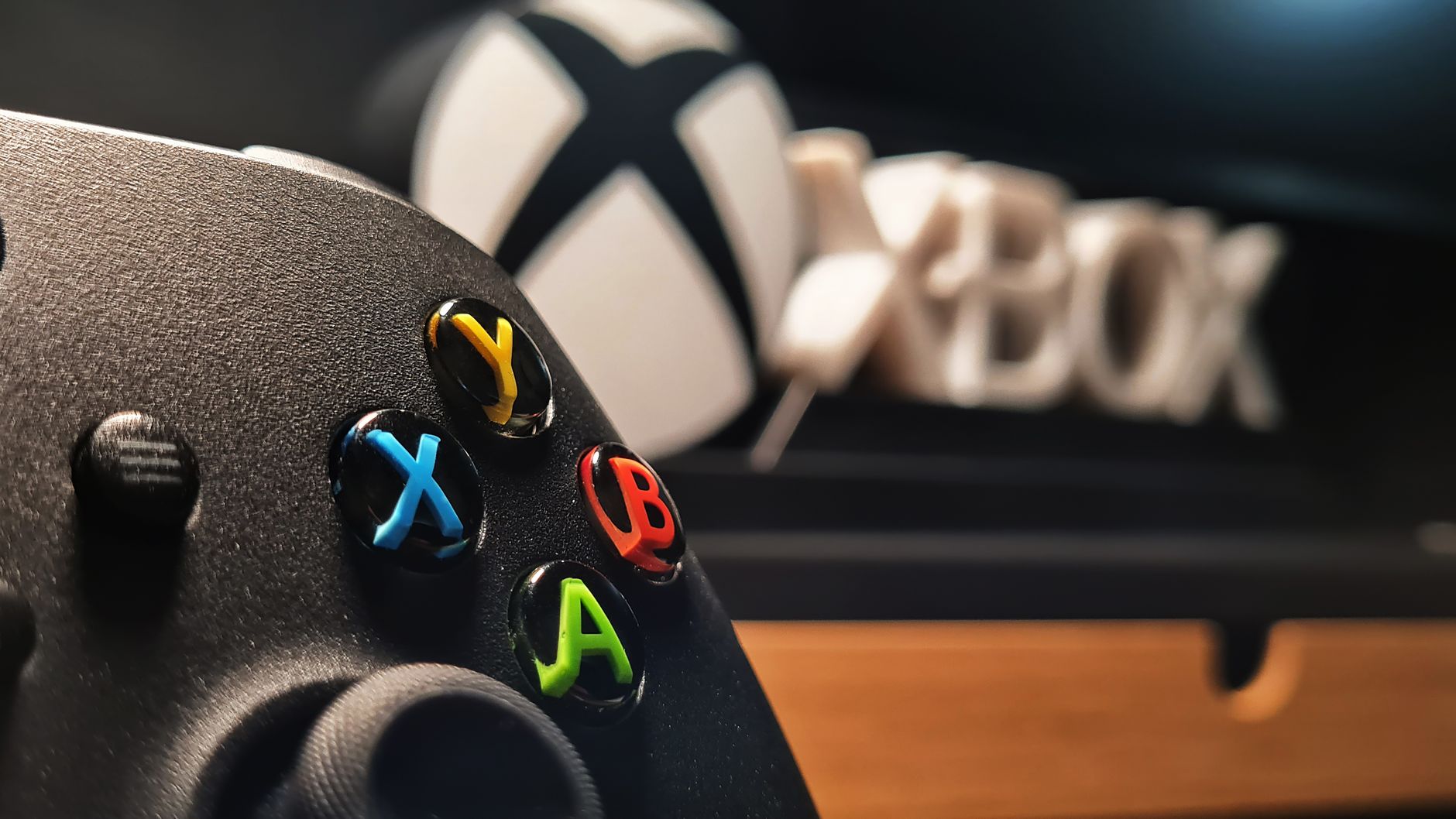
The gaming landscape is shifting dramatically as Microsoft announces the elimination of approximately 4,800 jobs, equating to about 2% of its global workforce. This decision, particularly affecting its Xbox division, highlights the company’s focus on restructuring amidst a broader digital transformation, especially in the realm of artificial intelligence (AI). The move signals not just a response to financial pressures but also a strategic pivot that could redefine Microsoft's gaming ambitions for years to come.
Key Takeaways
- Microsoft is cutting around 4,800 jobs, primarily from its Xbox division, as part of a significant restructuring effort.
- The layoffs represent roughly 2% of Microsoft's total workforce, with approximately 3,200 gaming jobs expected to be cut.
- This overhaul is the largest in Xbox's history, including the spin-off of four game studios.
- Microsoft is redirecting investments towards AI, aiming to integrate advanced technology into its gaming and broader business operations.
- The changes reflect a larger trend in the tech industry where companies are adapting to rapid shifts in consumer preferences and technological capabilities.
What Happened?
On July 6, 2026, Microsoft announced a significant reduction in its workforce, signaling a major shift in its corporate strategy with a particular focus on its Xbox division. The decision to eliminate approximately 4,800 jobs, primarily within the gaming sector, comes as the company prepares for a comprehensive overhaul aimed at revitalizing Xbox amid increasing competition and changing market dynamics.
With about 3,200 gaming jobs set to be cut over the coming fiscal year, Microsoft is undertaking its most extensive restructuring of the Xbox division in its history. This profound change includes the spin-off of four game studios, a move that underscores the company's intent to streamline operations and focus on its core competencies. This restructuring is not merely a reaction to economic conditions but reflects a calculated shift towards integrating AI technologies into gaming, potentially reshaping user experiences and game development processes.
Why This Matters
The layoffs at Microsoft, particularly within the Xbox division, come at a critical juncture for the gaming industry. The integration of AI into gaming has the potential to transform how games are developed, marketed, and experienced. As Microsoft pivots towards AI, it is not only responding to current market pressures but is also positioning itself to capitalize on future trends in gaming and technology.
The broader implications of these cuts extend beyond Microsoft as they reflect a significant trend across the technology sector, where companies are reevaluating their workforce needs and operational strategies in light of evolving consumer preferences and technological advancements. As gaming becomes increasingly intertwined with AI, the landscape will likely see new players emerge and existing players, like Microsoft, adapt their strategies to maintain relevance and competitiveness.
Background and Context
The gaming industry has undergone substantial changes over the past decade, driven by advancements in technology and shifting consumer behaviors. Microsoft has previously experienced significant success with its Xbox platform, but competition from rivals like Sony's PlayStation and emerging platforms has intensified.
Historically, Microsoft has invested heavily in its gaming division, launching several initiatives aimed at enhancing user engagement, including cloud gaming services and subscription models. However, as the market matures and player expectations evolve, the company faces pressure to innovate continually. This restructuring appears to be a strategic move to refocus its efforts on emerging technologies, particularly AI, which is poised to revolutionize various aspects of gaming, from personalized experiences to advanced game mechanics.
Expert Analysis
This significant wave of layoffs at Microsoft can be interpreted through a multifaceted lens. First, it's essential to recognize that the gaming industry is not solely about creating games; it’s about creating experiences. As such, the integration of AI becomes a pivotal focal point. Microsoft’s commitment to AI signifies a desire to enhance user experiences, making games more interactive and engaging, which is crucial in an era where players demand more immersive environments.
Furthermore, the decision to spin off four game studios is indicative of a strategic realignment. By shedding less profitable or misaligned assets, Microsoft can concentrate its resources on high-potential projects that leverage AI capabilities. This move is not uncommon in the tech space; companies often restructure to ensure they are investing in areas that align with future growth prospects.
While layoffs are always challenging for those affected, they can also signify a renewal of focus. The gaming industry is at a crossroads, with AI becoming a cornerstone of innovation. Microsoft’s shift may allow it to reallocate resources to teams focused on integrating AI into gameplay, potentially leading to breakthroughs in game design, player interactivity, and marketing strategies.
What This Means for the Gaming Industry
The implications of Microsoft's layoffs and restructuring extend well beyond the company itself. For the gaming industry, this represents a potential shift towards a more AI-centric future. As Microsoft invests in AI, other companies may follow suit, recognizing the need to adapt to changing market dynamics.
For developers, this shift could lead to new opportunities for collaboration with AI technologies, fostering innovation that could redefine gameplay and user engagement. Game designers may find themselves increasingly working alongside AI to create more dynamic and personalized experiences for players, leading to a new era of interactive entertainment.
Moreover, as Microsoft restructures its workforce, there may be a ripple effect throughout the industry. Other gaming companies may reevaluate their own workforce needs and strategic priorities, possibly leading to further layoffs or restructuring in the face of evolving technological demands.
Frequently Asked Questions
What is the reason behind Microsoft's layoffs in the Xbox division?
The layoffs are part of a significant restructuring effort aimed at revitalizing the Xbox division and redirecting investments towards AI technologies that are expected to transform gaming experiences and operations.
How many jobs are being cut in total?
Microsoft announced the elimination of approximately 4,800 jobs globally, with around 3,200 of those cuts specifically impacting the gaming sector within the Xbox division.
What does this mean for the future of Xbox?
The restructuring could pave the way for a more AI-integrated gaming experience, as Microsoft aims to focus on innovation and competitive positioning in the evolving gaming landscape.
Will other companies in the gaming industry follow Microsoft's lead?
It is possible that other gaming companies may reevaluate their workforce and strategic priorities in light of Microsoft's significant restructuring, potentially leading to similar moves across the industry.
The Road Ahead
Looking forward, the road ahead for Microsoft and its Xbox division is fraught with both challenges and opportunities. The integration of AI into gaming presents a unique chance for Microsoft to redefine player experiences and operational efficiencies. As the company shifts its focus towards AI, it will be critical for Microsoft to balance innovation with maintaining a strong workforce capable of driving these initiatives forward.
In conclusion, while the layoffs signal a difficult transition for many employees, they may also herald a new direction for Microsoft in the gaming industry. By embracing AI and restructuring its operations, Microsoft could emerge as a leader in a new wave of gaming innovation, potentially reshaping not only its own future but the entire gaming landscape in the years to come.