Kawasaki Heavy's AI Partnership with Nvidia: A Game-Changer for Robotics
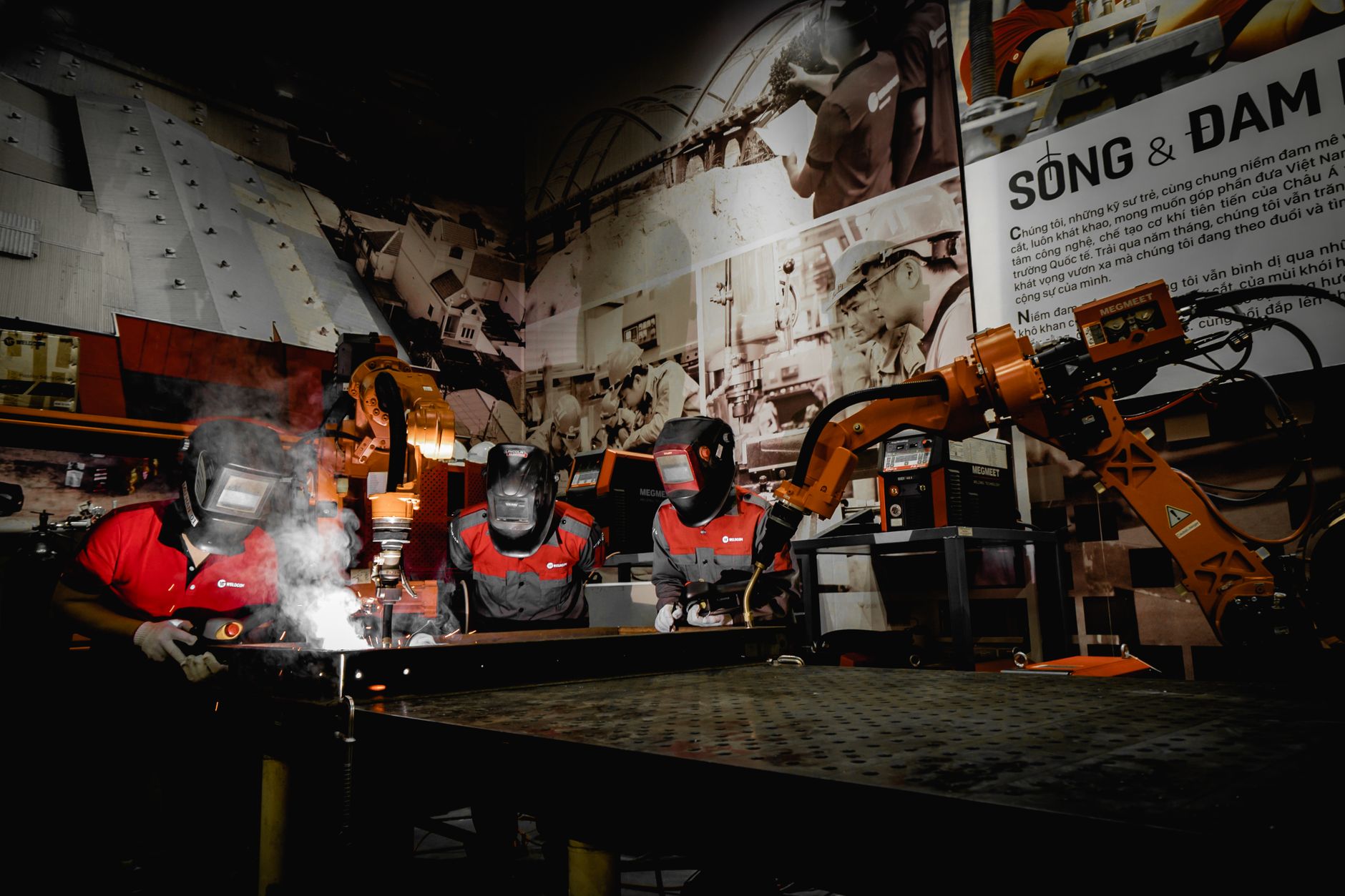
The recent partnership between Kawasaki Heavy Industries and Nvidia has ignited excitement across the robotics and AI sectors, leading to a significant boost in Kawasaki's stock prices. As the demand for advanced robotics solutions continues to rise, this collaboration could potentially reshape the landscape of industrial automation. But what does this mean for the broader industry, and how might it impact users and developers alike?
Key Takeaways
- Kawasaki Heavy's shares surged by 12% following the announcement of a partnership with Nvidia to develop AI-driven robotics.
- This collaboration aims to integrate Nvidia's cutting-edge AI technology into Kawasaki's robotics systems.
- The move is indicative of a broader trend towards the adoption of AI in manufacturing and automation.
- Investors are optimistic about the potential for enhanced productivity and efficiency in industrial applications.
- The partnership highlights the increasing importance of AI in driving innovation across various sectors.
What Happened?
Kawasaki Heavy Industries Ltd., a leading player in the manufacturing and robotics sector, recently announced a strategic partnership with Nvidia Corp., the American technology giant renowned for its AI and graphics processing capabilities. The news resulted in a substantial increase in Kawasaki's share price, climbing as much as 12%, the highest gain since February. This surge reflects investor enthusiasm regarding the prospects of integrating Nvidia’s advanced AI technologies into Kawasaki's existing robotics platforms.
The collaboration aims to harness the power of AI to enhance physical robotics, making them smarter and more capable of performing complex tasks. Nvidia, with its expertise in deep learning and AI hardware, is well-positioned to contribute significantly to this endeavor. The implications of this partnership extend beyond just a financial boost for Kawasaki; they signal a significant shift in how industries are approaching automation and robotics.
Why This Matters
The partnership between Kawasaki Heavy and Nvidia is more than just a financial maneuver; it represents a pivotal moment in the evolution of industrial automation. As industries worldwide increasingly seek to leverage AI for improved operational efficiency, collaborations like this one are essential for driving innovation. By integrating advanced AI technologies into robotics, companies can enhance productivity, reduce errors, and ultimately lower operational costs.
This collaboration also reflects a broader trend within the manufacturing sector towards adopting AI-driven solutions. As competition intensifies globally, manufacturers are compelled to innovate continually. The integration of AI into physical robots could lead to significant advancements in automated tasks, from assembly lines to logistics operations. The partnership thus not only benefits Kawasaki and Nvidia but also sets a precedent for other companies in the sector to follow suit.
Background and Context
Kawasaki Heavy Industries has been a key player in the robotics and manufacturing sectors for decades, known for its innovative solutions ranging from industrial robots to aerospace technology. Traditionally, the company has focused on mechanical engineering, but the rapid advancements in AI technology have prompted a shift towards integrating smart systems into its product offerings.
On the other hand, Nvidia has established itself as a leader in AI and machine learning, providing the necessary hardware and software for developing advanced AI applications. The company’s GPUs (Graphics Processing Units) have become the backbone of many AI systems, enabling complex computations needed for deep learning algorithms. This partnership marks a confluence of Kawasaki's mechanical expertise and Nvidia's AI proficiency, creating a robust foundation for developing next-generation robotics.
Expert Analysis
From an analytical perspective, the collaboration between Kawasaki Heavy and Nvidia holds significant implications for the future of industrial automation. The integration of AI into robotics is poised to transform not just how tasks are performed, but also how industries operate as a whole. AI can enable robots to learn from their environments, adapt to changes, and even predict failures before they occur, leading to increased uptime and efficiency.
Moreover, this partnership could set a standard for future collaborations in the robotics industry. As companies recognize the competitive advantage of integrating AI technologies, we may see more partnerships between traditional manufacturing firms and tech companies specializing in AI. Such collaborations could lead to rapid advancements in robot capabilities, allowing for a broader range of applications across various sectors, including healthcare, logistics, and construction.
What This Means for the Robotics Industry
The implications of this partnership for the robotics industry are profound. As Kawasaki and Nvidia work together to develop AI-driven robotics, the industry can expect to see a surge in innovation and new product offerings. Companies that adopt these advanced robotic systems may benefit from improved operational efficiencies, allowing them to remain competitive in a rapidly changing market.
For developers, this partnership presents an exciting opportunity to create more sophisticated AI applications tailored for robotics. As the technology evolves, developers will need to focus on building systems that can seamlessly integrate with existing robotic platforms while leveraging AI capabilities to enhance functionality. This could lead to the development of new software frameworks and tools designed specifically for AI-driven robots.
Frequently Asked Questions
What specific AI technologies will be integrated into Kawasaki's robots?
The partnership focuses on integrating Nvidia's advanced AI and deep learning technologies, which will enhance Kawasaki's robotics capabilities in areas such as machine vision, decision-making, and predictive maintenance.
How will this collaboration impact Kawasaki's competitiveness in the market?
The collaboration is expected to strengthen Kawasaki's position in the robotics sector by enabling them to offer more advanced, AI-driven solutions that meet the evolving needs of industries, thereby enhancing their competitiveness.
When can we expect to see new products from this partnership?
While specific timelines have not been disclosed, industry experts anticipate that we could start seeing the first AI-enhanced robotic systems within the next 1-2 years, as both companies work to develop and test new technologies.
What other companies are engaging in similar partnerships?
Many companies in the robotics and AI sectors are exploring collaborations, including Boston Dynamics with various tech firms, and Siemens with AI startups, indicating a growing trend towards integrating AI in robotics.
The Road Ahead
Looking forward, the partnership between Kawasaki Heavy and Nvidia could serve as a catalyst for widespread adoption of AI in robotics. As industries increasingly recognize the value of AI-enhanced systems, we may see a ripple effect, prompting other manufacturers to explore similar collaborations. This could lead to a new wave of innovation, where robotics are not only automated but also intelligent, learning and adapting to their environments.
In conclusion, as Kawasaki and Nvidia embark on this journey together, the implications for the robotics industry are vast. By leveraging AI, they are not just enhancing their own product offerings but are also contributing to the evolution of the entire sector. The future of robotics looks promising, with AI driving advancements that will redefine what is possible in industrial automation.