Jim Cramer's Insights: Investors Show Resilience in Stock Rally
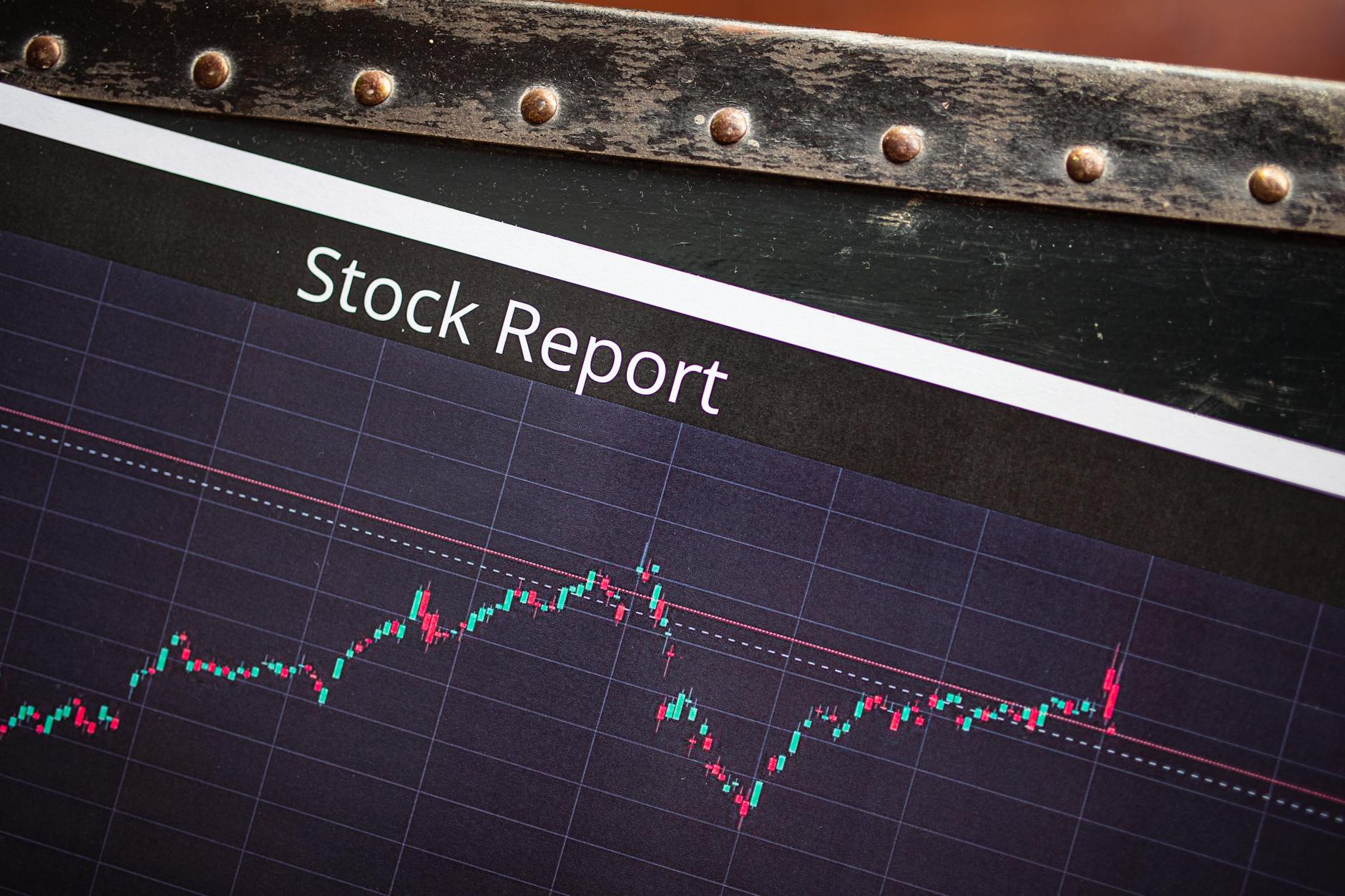
On Thursday, stock markets experienced a significant rally, igniting optimism among investors and analysts alike. CNBC’s Jim Cramer emphasized this surge as a clear indicator of the market's resilience and the strong appetite of investors for equities. But what does this rally truly signify amidst ongoing economic uncertainties and shifting market dynamics?
Key Takeaways
- The recent stock market rally indicates a robust appetite among investors to buy into equities.
- Jim Cramer interprets this trend as a sign of resilience in the face of economic uncertainties.
- Investor sentiment has shifted positively, suggesting confidence in future market performance.
- The rally could impact investment strategies, encouraging more aggressive buying.
- Understanding the underlying factors driving this trend is crucial for future market predictions.
What Happened?
Thursday's rally saw major indices, including the S&P 500 and the Dow Jones Industrial Average, climb significantly, reflecting a broad-based enthusiasm among investors. This uptick coincided with a series of favorable economic indicators, including better-than-expected employment figures and consumer confidence data. Cramer pointed out that such a rally is not merely a statistical blip but rather a manifestation of a deeper desire among investors to engage with the stock market.
Investors appeared undeterred by potential macroeconomic headwinds, such as inflation concerns and geopolitical tensions. Instead, they embraced the opportunity to purchase stocks at what they perceived as advantageous prices. Cramer's insights align with the behaviors observed in various sectors, highlighting a willingness to engage in riskier investments despite previous caution.
Why This Matters
This rally is significant not just for the numbers it produces but also for the implications it has on investor psychology and market trends. The demonstrated resilience of investors could suggest a shift in sentiment that may lead to sustained market growth in the near term. If investors are willing to buy into equities aggressively, it could indicate a broader belief that the economy is on a recovery trajectory.
Moreover, Cramer’s commentary underscores a potential reconfiguration of market strategies. As investor confidence strengthens, we may witness a trend toward increased risk-taking, with funds flowing into sectors that had previously been overlooked or deemed volatile. This movement can lead to a more dynamic market environment, potentially propelling further innovation and growth.
Background and Context
To fully appreciate the implications of Thursday's rally, it's essential to consider the broader context of the stock market over the past few years. Following the COVID-19 pandemic, markets experienced unprecedented volatility, with rapid sell-offs followed by historic rebounds. Investors have been navigating a landscape marked by inflation, interest rate adjustments by the Federal Reserve, and a shifting global economic climate.
The current rally can be seen as part of a cyclical recovery process, where investors reassess their positions and begin to engage once again with the equities market. The backdrop of recent economic data, including strong consumer spending and employment rates, provides a fertile ground for this rally, suggesting that investor confidence may be returning.
Expert Analysis
Jim Cramer's perspective on the rally reflects a broader trend in market analysis: the importance of investor sentiment as a driving force behind market movements. While the stock market is influenced by tangible economic indicators, such as earnings reports and employment data, it is ultimately driven by the psychological factors at play among investors.
As Cramer suggests, the eagerness to buy stocks in the current environment can be attributed to several factors. Firstly, the perception of undervaluation in certain sectors has prompted investors to act. Many stocks have seen price corrections, leading to attractive buying opportunities. Secondly, the wave of liquidity in the market, propelled by low interest rates and government stimulus measures, continues to fuel investment activity.
Furthermore, the rise of retail investors has dramatically changed the landscape. Platforms that facilitate trading at low or no costs have democratized access to the stock market, leading to increased participation. This influx of retail investors often tends to create momentum-based trading patterns, where stocks gain traction and attract further buying, thus amplifying rallies.
What This Means for Investors
For investors, the current rally signals a potential shift in strategy. As markets recover and investor confidence rebuilds, individuals and institutions alike may consider reallocating their portfolios to capitalize on this renewed enthusiasm. Sectors that were previously underperforming could see a resurgence, particularly those tied to consumer discretionary spending, technology, and renewable energy.
Additionally, understanding the nuances of market sentiment will be crucial for investors moving forward. Monitoring economic indicators closely, while also paying attention to investor behavior and sentiment, will provide valuable insights into future market directions. Strategies that incorporate both fundamental analysis and sentiment tracking may yield better results in this evolving landscape.
Frequently Asked Questions
What factors contributed to Thursday's stock market rally?
The rally was influenced by positive economic indicators, such as improved employment figures and rising consumer confidence, alongside a general eagerness among investors to engage with the stock market.
How should investors respond to the current market conditions?
Investors may consider reallocating portfolios to take advantage of sectors that appear undervalued and monitor economic indicators and investor sentiment to guide their strategies.
Is this rally sustainable, or just a short-term reaction?
While there are indicators suggesting sustained confidence, the sustainability of the rally will depend on ongoing economic developments and whether investor sentiment remains positive.
How does retail investor activity impact the stock market?
The rise of retail investors can amplify market movements, as their participation leads to increased trading volume and momentum in stocks, often pushing prices higher.
The Road Ahead
Looking ahead, the stock market’s trajectory will likely hinge on a combination of economic indicators and investor sentiment. If the current rally is to continue, it will require a solid foundation of economic data supporting growth, alongside sustained consumer spending. Analysts will be keen to assess how these elements interact in the coming months.
Investors should remain vigilant, recognizing that market dynamics can shift rapidly. While the current environment may suggest optimism, it is imperative to approach with an informed strategy that considers both macroeconomic trends and the psychology of market participants. The interplay between these factors will shape the future of investment opportunities.