Japan’s Nikkei 225 Enters Correction Amid AI Rally Concerns

The stock market is often seen as a barometer of economic health, reflecting investor sentiment and market dynamics. Recent developments have put Japan's Nikkei 225 Index in the spotlight, as it has entered a correction phase with a notable drop of more than 10% from its peak on June 25. This decline raises important questions about the sustainability of the artificial intelligence (AI) rally that has captivated global markets. Investors are increasingly concerned that the exuberance surrounding AI stocks may be overdone, leading to this significant market adjustment.
Key Takeaways
- Japan’s Nikkei 225 has fallen over 10% from its June 25 peak, marking a technical correction.
- Investor concerns are centered around the potential overvaluation of stocks in the AI sector.
- This correction reflects broader market trepidation regarding the sustainability of the AI-driven rally.
- High-profile companies involved in AI technology have seen dramatic stock price increases, raising questions about future growth potential.
- The correction may influence monetary policy discussions and investment strategies moving forward.
Understanding the Nikkei 225 Correction
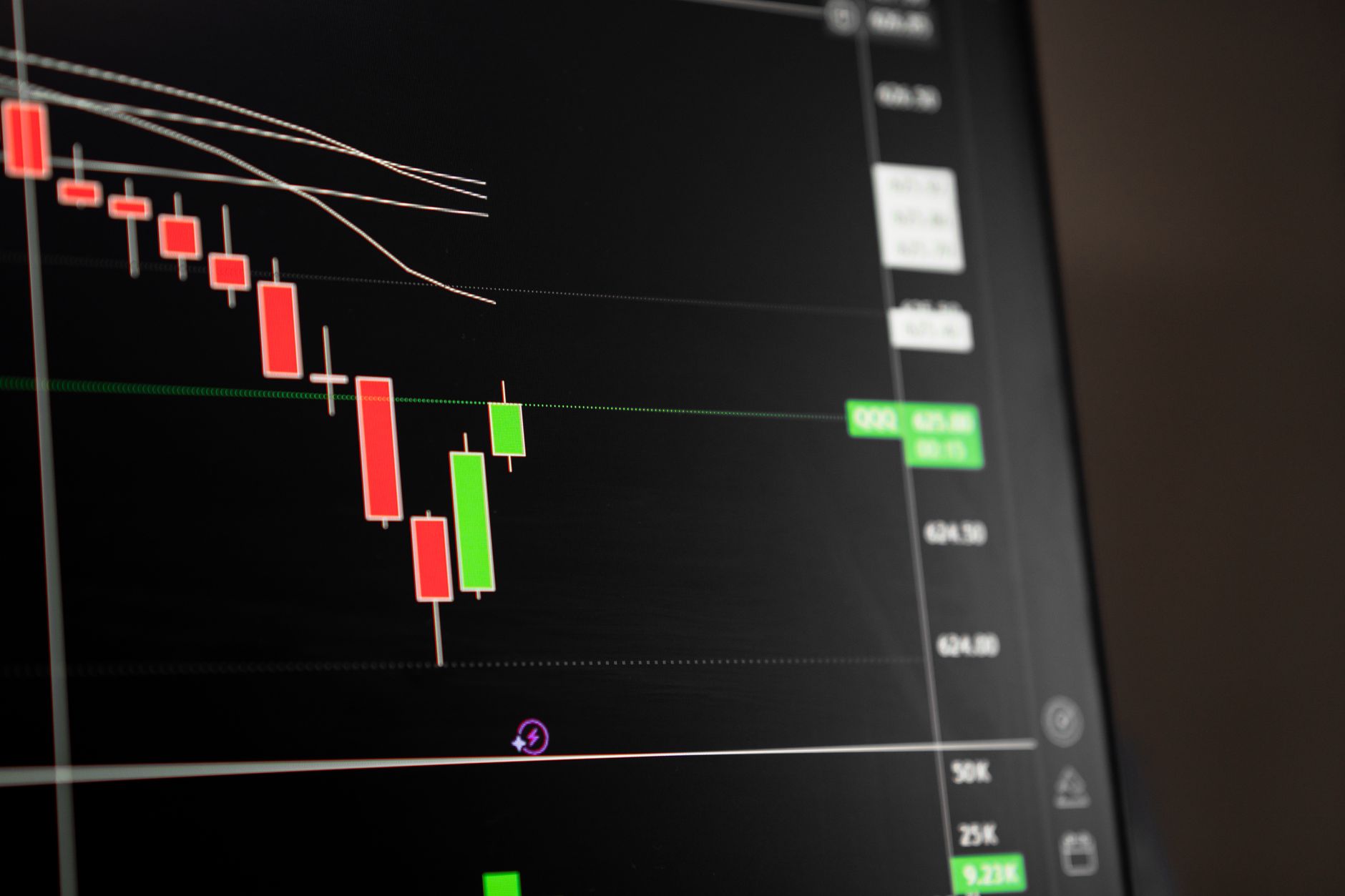
The Nikkei 225 Stock Average, Japan's benchmark stock index, has recently experienced a downward trajectory, closing significantly below its previous peak. As of mid-July 2026, the index had plummeted over 10%, officially qualifying as a technical correction. This downturn was characterized by a flurry of sell-offs, with investors looking to mitigate potential losses amid rising uncertainty in the market.
At the heart of this correction lies a mounting apprehension regarding the sustainability of the AI stock rally that has captured investor interest in recent months. Companies that have invested heavily in AI technology have seen their stock prices soar, leading to speculation about whether these valuations are justified. The Nikkei 225’s decline may signal that investors are beginning to reassess these inflated valuations.
Why This Matters
The implications of the Nikkei 225’s correction extend beyond just the Japanese market. As global markets increasingly integrate AI technology into various sectors, concerns about overvaluation could trigger similar corrections in other indices. The Nikkei’s movements reflect a broader trend of caution among investors who are beginning to question the long-term prospects of companies that have profited immensely from AI hype.
Market corrections often serve as a reminder of the cyclical nature of investing, where periods of exuberance can be followed by corrections as investors seek to recalibrate expectations. For the technology sector, particularly those focused on AI, this could mean a period of volatility as market participants evaluate the true potential of AI advancements against current stock valuations.
Background and Context
The Nikkei 225 has a storied history, often seen as a bellwether for Japan's economic performance. Following a prolonged period of stagnation, the index had been experiencing a resurgence fueled by advancements in technology and increased investor interest in AI. The rally gained momentum thanks to high-profile announcements from companies like Sony, Toyota, and SoftBank, which have invested heavily in AI research and development.
Historically, Japan's stock market has faced significant ups and downs, influenced by domestic economic policies, global market trends, and international competition. The recent AI-driven rally represents one of the most significant shifts in the market landscape, with investors pouring money into technology stocks in hopes of capitalizing on the AI revolution. Yet, as the Nikkei 225 demonstrates, even the most promising sectors are not immune to correction.
Expert Analysis
Analyzing the recent Nikkei 225 correction reveals a complex interplay between investor psychology and market fundamentals. The initial enthusiasm surrounding AI technologies led to dramatic price increases, creating a feedback loop where rising stock prices attracted more investment, further inflating valuations. But as the reality of economic fundamentals sets in, investors are now reconsidering the sustainability of these inflated valuations.
One key factor contributing to the correction is the market’s tendency to overreact to emerging technologies. The AI sector, while promising, is still in a nascent stage and is subject to rapid technological changes, regulatory scrutiny, and market competition. Therefore, investors need to approach AI investments with a discerning eye, weighing potential risks against projected rewards. The recent sell-off in the Nikkei 225 can be seen as a wake-up call for investors to reassess their portfolios and consider whether they are too heavily weighted in overhyped sectors.
What This Means for Investors and Companies
The correction in the Nikkei 225 has significant implications for both investors and companies involved in AI technology. For investors, it suggests a need for diversification and a more cautious approach to investing in high-growth sectors. As the market recalibrates, the focus may shift toward companies that demonstrate solid fundamentals, sustainable growth trajectories, and sound financial health, rather than those riding the AI hype wave.
For companies, especially those heavily invested in AI, this correction may necessitate a reevaluation of strategies. Businesses may need to demonstrate tangible results from AI investments rather than relying solely on future potential. This could lead to a shift in funding strategies, with investors prioritizing companies that can show a clear return on investment from their AI initiatives.
Frequently Asked Questions
What is a technical correction in stock markets?
A technical correction refers to a decline of 10% or more in a stock index from its recent peak. It often signals a market adjustment where investors reassess stock valuations and market conditions.
Why are investors concerned about the AI rally?
Investors are worried that the rapid rise in AI stock prices may be unsustainable, potentially leading to inflated valuations that do not reflect the underlying economic fundamentals or growth prospects of the companies involved.
How can the Nikkei 225’s performance impact global markets?
The Nikkei 225 is a significant indicator of economic trends in Asia. Movements in this index can influence investor sentiment worldwide, potentially leading to similar corrections in other markets as investors react to perceived risks.
What steps should investors take following this correction?
Investors should consider diversifying their portfolios, focusing on companies with strong fundamentals, and remaining cautious about putting money into sectors that have experienced rapid price increases without corresponding economic growth.
The Road Ahead
Looking ahead, the Nikkei 225’s correction may serve as a crucial turning point for investors and companies alike. The AI sector is likely to remain a focal point for investment, but with heightened scrutiny. Investors will need to balance their enthusiasm for technological advancements with a pragmatic understanding of market realities. This correction may encourage a more disciplined investment approach, where valuation metrics become more critical in decision-making.
For companies operating in the AI space, the challenge will be to prove their value proposition amidst increasing skepticism. Firms that can effectively demonstrate tangible results from their AI investments are likely to attract investment interest, while those that fail to do so may face difficulties in securing funding. As the market recalibrates, the path forward for both investors and companies will require adaptability, diligence, and a keen eye on the evolving landscape of AI technology.