Investors Retreat from Asian Chipmakers Amid Market Correction
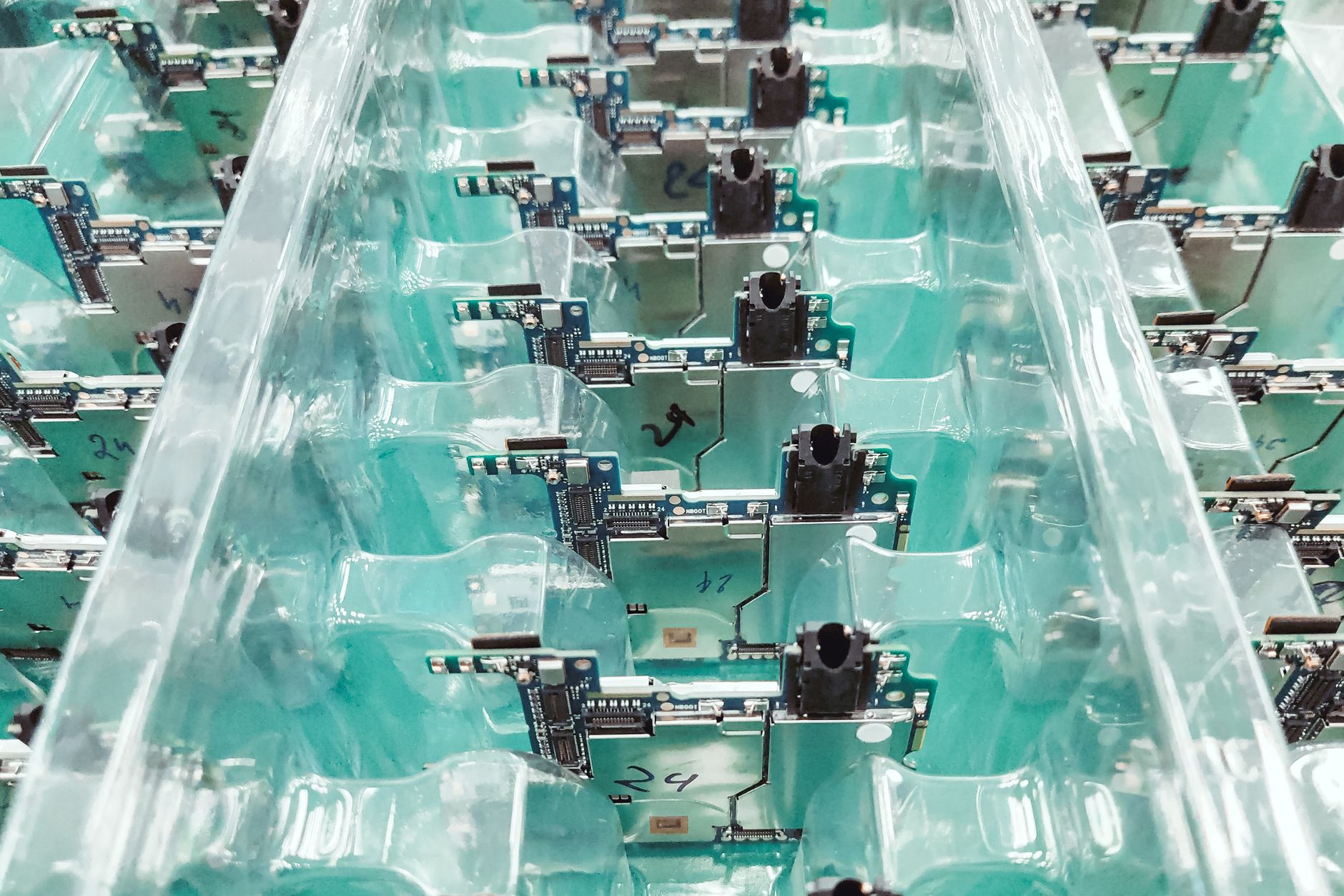
In a significant shift, investor interest in Asian chipmakers is waning after a remarkable period of growth. Companies like TSMC, SK Hynix, and Samsung Electronics, which collectively represent nearly 29% of the MSCI Emerging Markets index, are now facing a reevaluation of their market positions. This article delves into the implications of this retreat and examines the factors influencing investor sentiment.
Key Takeaways
- Investor confidence in Asian chipmakers is declining following a strong price rally.
- TSMC, SK Hynix, and Samsung Electronics are pivotal players, comprising 29% of the MSCI Emerging Markets index.
- The semiconductor sector is experiencing a market correction as economic conditions shift.
- Geopolitical tensions and changing demand dynamics are impacting the semiconductor market.
- Long-term investment strategies may need to adapt to new realities in the chip manufacturing landscape.
Recent Developments in the Semiconductor Market
In recent months, the semiconductor sector has witnessed a notable rally, driven primarily by strong demand for technology products, including smartphones, consumer electronics, and data center hardware. Investors poured significant capital into companies like Taiwan Semiconductor Manufacturing Company (TSMC), SK Hynix, and Samsung Electronics, betting on their growth prospects amid the accelerating digital transformation. However, following this exuberance, a palpable shift is occurring, with many investors now pulling back their stakes in these companies.
Recent reports indicate that institutional investors are reassessing their positions in these Asian chipmakers, citing concerns over economic headwinds and geopolitical uncertainties that may be impacting the semiconductor supply chain. As these companies have historically been pivotal to the global tech ecosystem, the current market correction raises questions about the sustainability of their growth trajectories.
Why This Matters
The semiconductor industry is the backbone of modern technology, playing a crucial role in powering everything from smartphones to advanced AI systems. The significance of TSMC, SK Hynix, and Samsung cannot be understated, as they not only represent a substantial portion of the MSCI Emerging Markets index but also drive innovation and competitiveness in the global market. A slowdown in investment in these firms could have cascading effects on technology advancement and availability.
Additionally, the factors driving this retreat—such as inflationary pressures, supply chain disruptions, and geopolitical tensions—could reshape the semiconductor landscape. As investors become more cautious, companies may need to adjust their strategies to maintain growth and investor confidence. Understanding the implications of these shifts is crucial for stakeholders across the industry, from manufacturers to consumers.
Background and Context
The semiconductor industry has historically been marked by cycles of boom and bust, heavily influenced by technological advancements, consumer demand, and global economic conditions. For instance, the COVID-19 pandemic sparked a surge in demand for tech products, leading to unprecedented growth in semiconductor sales. This period saw companies like TSMC and Samsung ramping up production to meet the needs of a tech-hungry market.
However, as the world begins to emerge from the pandemic, the economic landscape is changing. Rising inflation rates and potential recession fears have led to a cautious investment climate. In this context, chipmakers are now facing the dual challenge of maintaining profitability while navigating shifting consumer preferences and market expectations.
Expert Analysis
To fully understand the current retreat from investments in Asian chipmakers, one must consider several intersecting factors. First, the cyclical nature of the semiconductor industry plays a significant role. Following a period of rapid growth, valuations often become stretched, and investors start to question whether future earnings can justify current prices. This phenomenon appears to be at play as analysts begin to temper their expectations for growth amid signs of a cooling global economy.
Additionally, the semiconductor supply chain is increasingly vulnerable to geopolitical tensions. The ongoing trade disputes between the U.S. and China, as well as the semiconductor technology race, create an environment of uncertainty. For instance, the U.S. has imposed restrictions on semiconductor technology exports to China, which directly impacts the revenue streams of companies like TSMC and Samsung that operate globally.
Furthermore, the technological landscape is evolving. While demand for semiconductors remains strong, there is a shift toward more specialized chips designed for specific applications, such as Artificial Intelligence (AI) and machine learning. Companies that can adapt to these changes and innovate will likely fare better in the long run. Investors are increasingly looking for firms that not only deliver current returns but also have a clear vision for future growth in a rapidly changing tech landscape.
What This Means for Investors and Stakeholders
For investors, the recent pullback in Asian chipmakers signals a need for a strategic reassessment. While the long-term outlook for semiconductors remains strong due to persistent demand, the immediate market dynamics suggest a more cautious approach is warranted. Investors may need to diversify their portfolios, seeking opportunities beyond traditional chipmakers or looking for companies that are poised to innovate in response to changing market conditions.
For stakeholders within the semiconductor industry, this shift presents both challenges and opportunities. Companies will need to focus on strengthening their supply chains, investing in research and development for next-generation chips, and ensuring they are well-positioned to respond to the evolving needs of consumers and businesses. This may also involve strategic partnerships or collaborations to enhance their technological capabilities and market reach.
Frequently Asked Questions
What factors are driving the decline in investor confidence in Asian chipmakers?
The decline is largely attributed to a combination of economic headwinds, including rising inflation and potential recession fears, as well as geopolitical uncertainties that affect the semiconductor supply chain.
How significant are TSMC, SK Hynix, and Samsung Electronics in the global semiconductor market?
These companies are pivotal players, collectively comprising nearly 29% of the MSCI Emerging Markets index, and they drive innovation and competitiveness across the global technology landscape.
What should investors consider in light of this market correction?
Investors may need to reassess their strategies, focusing on diversification and seeking opportunities in companies that are likely to adapt and innovate in response to changing market dynamics.
How might geopolitical tensions impact the semiconductor industry moving forward?
Geopolitical tensions can disrupt supply chains, affect revenue streams, and lead to increased regulatory scrutiny, ultimately shaping how companies operate and compete in the global market.
The Road Ahead
As the semiconductor market undergoes this period of correction, the future remains uncertain but filled with potential. Companies that can navigate these challenges by embracing innovation and adapting to changing market conditions will likely emerge stronger. The need for specialized chips, particularly for AI and machine learning applications, will continue to drive demand, creating opportunities for growth amongst adaptable firms.
Ultimately, the semiconductor industry must remain vigilant and proactive in addressing the economic and geopolitical factors shaping its landscape. As investor sentiment shifts, the focus must pivot towards sustainability, resilience, and innovation to thrive in an increasingly complex global market.