Hyundai Workers Strike for Bonuses and Job Security Amid AI Concerns
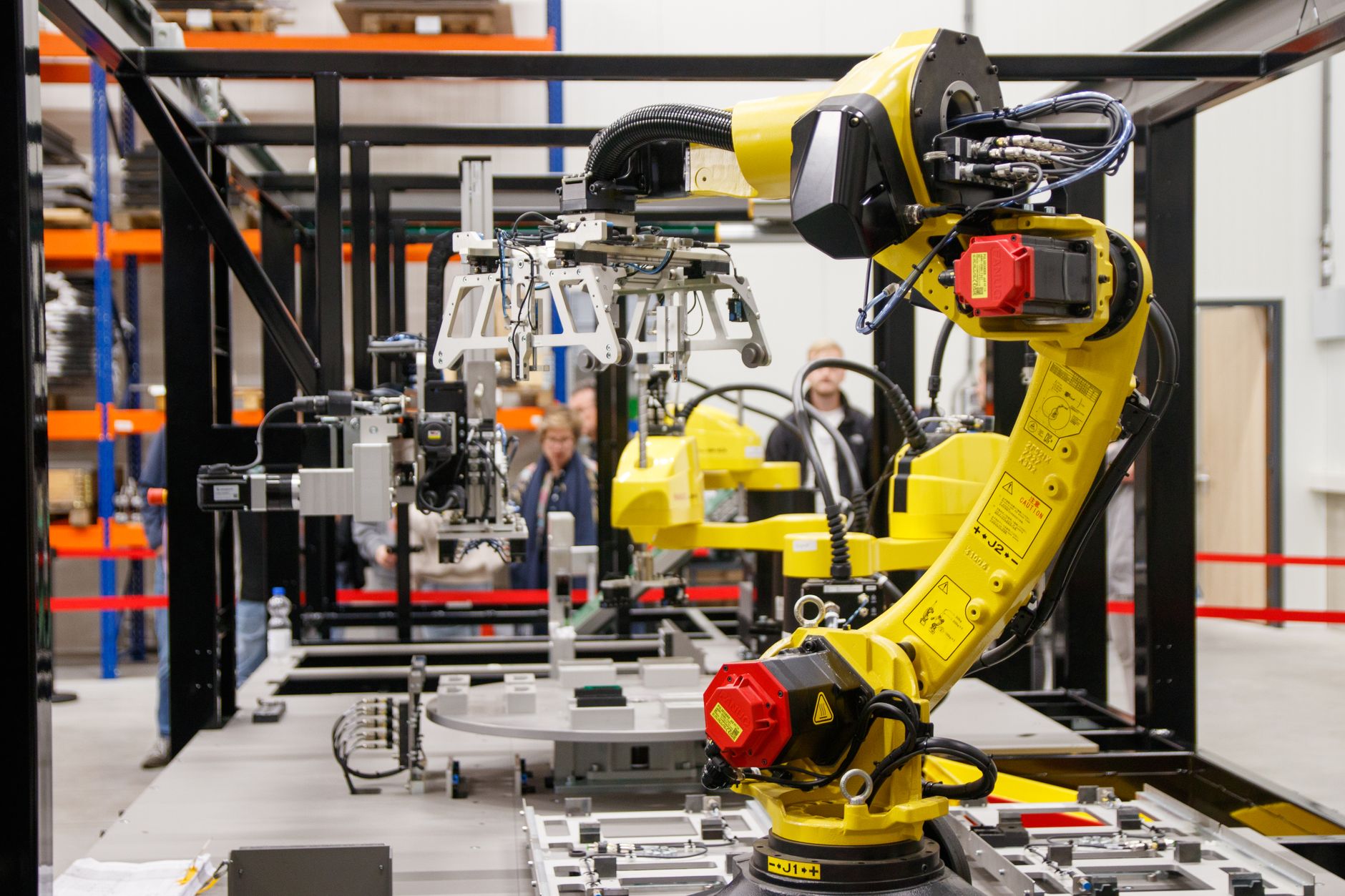
The labor landscape in South Korea is shifting, with a significant strike by Hyundai Motor Co. workers highlighting the growing tensions between labor demands and technological advancements. As the automotive industry evolves, workers are raising their voices against not only compensation issues but also the existential question of job security in an era increasingly dominated by AI and robotics.
Key Takeaways
- Hyundai Motor Co. workers have initiated a three-day strike primarily over demands for increased bonuses.
- The strike also addresses concerns about job security in the face of advancing AI and robotic automation.
- This action follows recent significant agreements in the semiconductor sector, affecting workers' expectations in various industries.
- As automation advances, labor unions are challenging companies to ensure employment stability for their members.
- This strike reflects broader trends in labor movements globally as workers push back against technology-driven job displacement.
Overview of the Strike
On July 13, 2026, Hyundai Motor Co. workers commenced a three-day partial strike, reflecting mounting frustration over inadequate bonuses amid rising corporate earnings. This decision was fueled by recent landmark agreements in the semiconductor sector, where workers successfully negotiated substantial pay increases and bonuses. The Hyundai union, representing thousands of workers, is demanding similar concessions, emphasizing the disparity between their compensation and the profits generated by the company.
Beyond financial remuneration, the striking workers are voicing serious concerns about the threat of job security posed by technological advancements, particularly artificial intelligence and robotics. As automation technology becomes more prevalent in manufacturing processes, workers fear that their roles may be rendered obsolete. This dual focus on bonuses and job security encapsulates the broader anxieties present in the contemporary labor market, as workers grapple with the implications of automation on their livelihoods.
Why This Matters
The strike at Hyundai is emblematic of a larger trend within the automotive industry and beyond, as workers increasingly advocate for not just fair wages but also assurances regarding their job security in the face of rapid technological change. Hyundai's actions come at a time when many firms are investing heavily in AI and automation, often at the expense of human labor. The backlash from workers signals a critical juncture where the interests of labor and technology must be balanced.
Furthermore, this strike underscores the growing influence of labor unions in negotiations surrounding automation and job security. As industries evolve, the relationship between workers and management will be tested, particularly in sectors where automation is poised to reshape job roles. The outcomes of these negotiations will set precedents for labor relations in the automotive sector and may influence similar disputes in other industries facing automation challenges.
Background and Context
Hyundai Motor Co.'s current labor unrest is not an isolated incident but part of a broader narrative in the evolving landscape of labor relations. Historically, labor unions in South Korea have played a pivotal role in advocating for workers' rights, securing better wages, and improving working conditions. The recent agreements in the semiconductor industry have heightened expectations among workers in adjacent sectors, including automotive manufacturing, regarding their compensation and job security.
The automotive industry has undergone profound transformations due to technological innovations over the past decade. The integration of AI and robotics into manufacturing processes has improved efficiency but has also raised concerns about job displacement. As companies strive to remain competitive, the balance between technological advancement and preserving employment becomes more critical. This strike signifies the growing unease among workers about their positions in an industry rapidly changing under the influence of AI.
Expert Analysis
From a labor perspective, the Hyundai strike reflects an urgent need for companies to engage in meaningful dialogue with their workforce about the implications of automation. Workers are not merely resisting change; they are advocating for a proactive approach that ensures their roles evolve alongside technological advancements rather than being eliminated. This calls for strategic planning from companies to reskill workers and develop new roles that leverage human skills in conjunction with automated processes.
Unions have traditionally focused on wage negotiations, but the increasing prevalence of AI necessitates a shift in their strategies. Labor organizations must now address not only pay but also the training and development required for workers to thrive in an automated environment. The demands from Hyundai workers for job security guarantees reflect a broader recognition that the future of work will require collaboration between humans and machines, rather than competition.
What This Means for the Automotive Industry
The implications of the Hyundai strike extend beyond the immediate demands of the workers. For the automotive industry, this situation serves as a wake-up call to proactively address the challenges posed by automation. Companies must recognize that the integration of AI technology can lead to resistance from the workforce if not managed thoughtfully. Addressing worker concerns regarding job security through reskilling and upskilling initiatives can foster a more collaborative environment.
Moreover, the industry must also consider the long-term sustainability of its workforce. As companies like Hyundai invest in automation to boost productivity, they must also develop comprehensive plans to transition their employees into new roles that incorporate technological advancements. Failure to do so can lead to increased labor unrest and potentially damaging public relations challenges.
Frequently Asked Questions
What are the main reasons behind the Hyundai workers' strike?
The Hyundai workers are primarily striking for increased bonuses and job security in light of the rising threats posed by automation and AI technologies in the manufacturing sector.
How does this strike reflect broader labor trends?
This strike is indicative of a larger trend where workers across various industries are advocating for not only fair wages but also assurances regarding job security as technology continues to evolve.
What impact could this have on Hyundai's production?
The partial strike may disrupt Hyundai's production schedules, potentially leading to financial losses and delays in vehicle delivery, impacting the company's overall operations.
How can companies address worker concerns about automation?
Companies can address these concerns by investing in reskilling and upskilling programs that prepare the workforce for new roles that incorporate technological advancements, fostering collaboration between humans and machines.
The Road Ahead
Looking forward, the Hyundai workers' strike is likely to prompt broader discussions within the automotive industry regarding the integration of AI and automation. Companies will need to engage with their workforce in meaningful ways to address the fears and concerns surrounding job security. The outcome of the negotiations will set a precedent for how labor and management can collaborate to ensure a mutually beneficial future in the face of technological disruption.
As automation continues to reshape the landscape of work, this strike serves as an essential reminder of the importance of balancing technological advancements with the needs of the workforce. The future of the automotive industry will depend on its ability to navigate these complexities, ensuring that workers are not left behind as companies embrace the potential of AI and robotics. The commitment to reskilling and job security will become crucial elements in maintaining a harmonious relationship between labor and management in the years to come.