Graduates Booing Tech CEOs: A New Era of Accountability
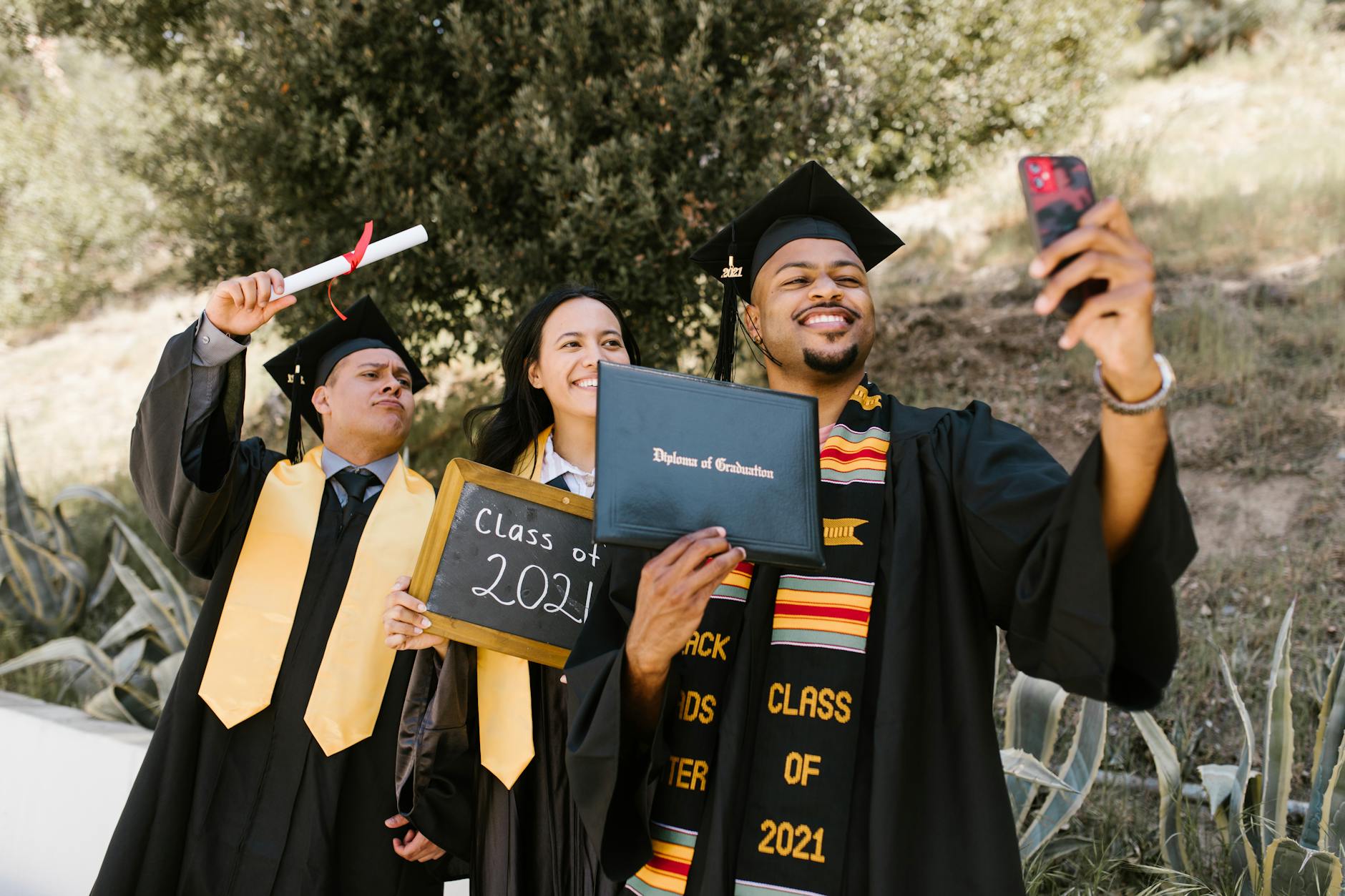
In a striking display of defiance, graduates across the nation are taking a stand against tech CEOs, booing and heckling them during commencement speeches. This unprecedented response highlights a growing discontent with the role of technology in society, particularly artificial intelligence (AI), and reflects a generational push for accountability from corporate leaders. As graduates express their frustrations, the implications for the tech industry and society at large are profound.
Key Takeaways
- Graduates are vocally challenging tech leaders at commencement ceremonies, indicating a shift in societal expectations.
- The backlash against executives like Eric Schmidt signals a demand for transparency and responsibility in AI development.
- Students are increasingly aware of the implications of AI technology, particularly regarding job security and ethical considerations.
- Tech executives seem surprised by the backlash, suggesting a disconnect between corporate narratives and public sentiment.
- The trend reflects broader societal changes, including a desire for more inclusive conversations about technology's impact.
An Evolving Reaction to Tech Leadership
The phenomenon of graduates booing tech CEOs at graduation ceremonies has emerged as a powerful statement during the 2026 commencement season. High-profile executives, including former Google CEO Eric Schmidt, have faced sustained jeers and heckling after making remarks praising AI technologies. These incidents have gone viral on social media platforms, showcasing a growing trend among young graduates who are increasingly wary of the narrative surrounding AI.
While tech leaders may have expected applause for their speeches, the reactions suggest a deep-seated frustration among the audience. Graduates are not merely reacting to the specific comments made by these executives; they are expressing their broader concerns about the implications of AI technologies on their futures. This backlash raises critical questions about the role of technology in society and whether corporate leaders are adequately addressing the challenges that come with rapid advancements in AI.
Why This Matters
This emerging trend of vocal dissent from graduates is significant for several reasons. Firstly, it signifies a shift in the perception of tech leaders and their influence on society. Historically, corporate executives were often viewed as authoritative figures whose insights were largely unquestioned. Now, graduates are demanding that these leaders confront the realities of their innovations, particularly in light of growing concerns around job displacement, privacy, and ethical considerations.
Secondly, the response from graduates reflects a generational shift in engagement with technology. Today's graduates, many of whom have grown up in an era defined by technological advancement, are more informed and opinionated about the implications of AI. They recognize not only the potential benefits of these technologies but also the risks associated with them. As these graduates enter the workforce, their expectations for corporate accountability will likely influence hiring practices, workplace cultures, and the broader tech landscape.
Background and Context
The relationship between graduates and tech executives is not new, but the current backlash represents a culmination of various factors. Over the past decade, AI has rapidly evolved, often outpacing regulatory frameworks and ethical considerations. While technological advancements have brought significant benefits, they have also led to considerable societal challenges, including job automation, data privacy concerns, and ethical dilemmas regarding AI decision-making.
Graduates today are acutely aware of these challenges. Many have directly experienced the impacts of tech-driven changes in their industries, particularly in fields like journalism, marketing, and manufacturing, where AI tools are increasingly being employed to streamline processes but at the risk of reducing job opportunities. This context shapes their expectations for transparency and responsibility from the leaders of the companies behind these technologies.
Expert Analysis
The backlash against tech CEOs during graduation ceremonies underscores a significant shift in societal discourse surrounding technology. Historically, corporate leaders have enjoyed a level of reverence and authority that shielded them from direct criticism. However, the rising tide of discontent among graduates indicates a profound change in this dynamic.
One critical aspect of this shift is the increasing awareness of the ethical implications of AI. Graduates are not merely voicing frustration; they are articulating a demand for a more inclusive and responsible approach to technology. This sentiment reflects a broader cultural movement toward accountability in corporate governance and ethical standards in AI development.
Additionally, the surprising reactions of tech executives point to a disconnect between their perceptions and the realities faced by the younger generation. Many executives operate under the assumption that advancements in AI are universally seen as positive developments, failing to grasp the nuanced concerns that graduates articulate. This disconnect may stem from a lack of engagement with the very communities that technology impacts the most.
What This Means for Graduates and the Tech Industry
The implications of this backlash extend beyond the immediate reactions at graduation ceremonies. For graduates, this moment marks an opportunity to redefine the narrative surrounding technology and its role in society. As they enter the workforce, they carry with them a heightened sense of agency and responsibility. This generation is poised to shape the future of work by demanding ethical practices and transparency from their employers.
For the tech industry, the backlash serves as a wake-up call. Executives must recognize that their narratives are under scrutiny and that public sentiment is shifting. The demand for corporate accountability will likely influence hiring practices, product development, and communication strategies. Companies that fail to address the concerns of this emerging workforce may find themselves facing increased scrutiny and resistance.
Frequently Asked Questions
Why are graduates booing tech CEOs during commencement ceremonies?
Graduates are expressing their concerns regarding the implications of AI technology, particularly concerning job security, ethical considerations, and the need for corporate accountability. This backlash reflects a broader generational demand for transparency from tech leaders.
What does this trend signify for the future of the tech industry?
This trend indicates a shift in societal expectations towards tech leaders. Graduates are likely to demand more ethical practices and accountability from their employers, influencing the future of corporate governance and decision-making in the tech industry.
How can tech companies address the concerns raised by graduates?
Tech companies can begin by fostering open dialogues with their employees and the broader community, ensuring that ethical considerations are at the forefront of their product development. Transparency in decision-making processes and engagement with stakeholders can also help bridge the gap between executives and the public.
Will this backlash continue beyond graduation ceremonies?
It is likely that the backlash will extend beyond graduation ceremonies as graduates enter the workforce. As they become more engaged in their industries, they may continue to advocate for accountability and ethical practices in technology.
The Road Ahead
As this wave of dissent continues to unfold, it is essential for tech executives to adapt to the changing landscape. The demand for accountability from graduates signifies a broader societal shift that will shape the future of technology and its impact on society. Companies that proactively engage with these concerns and prioritize ethical considerations are likely to thrive in an evolving marketplace.
Looking ahead, the relationship between technology and society will undoubtedly evolve. As graduates take their place in the workforce, their voices will resonate throughout the industry. The growing demand for transparency and accountability may lead to a more responsible approach to AI development, fostering innovation that aligns with societal values and ethical standards.