Google Partners with Marvell for Custom AI Inference Chips
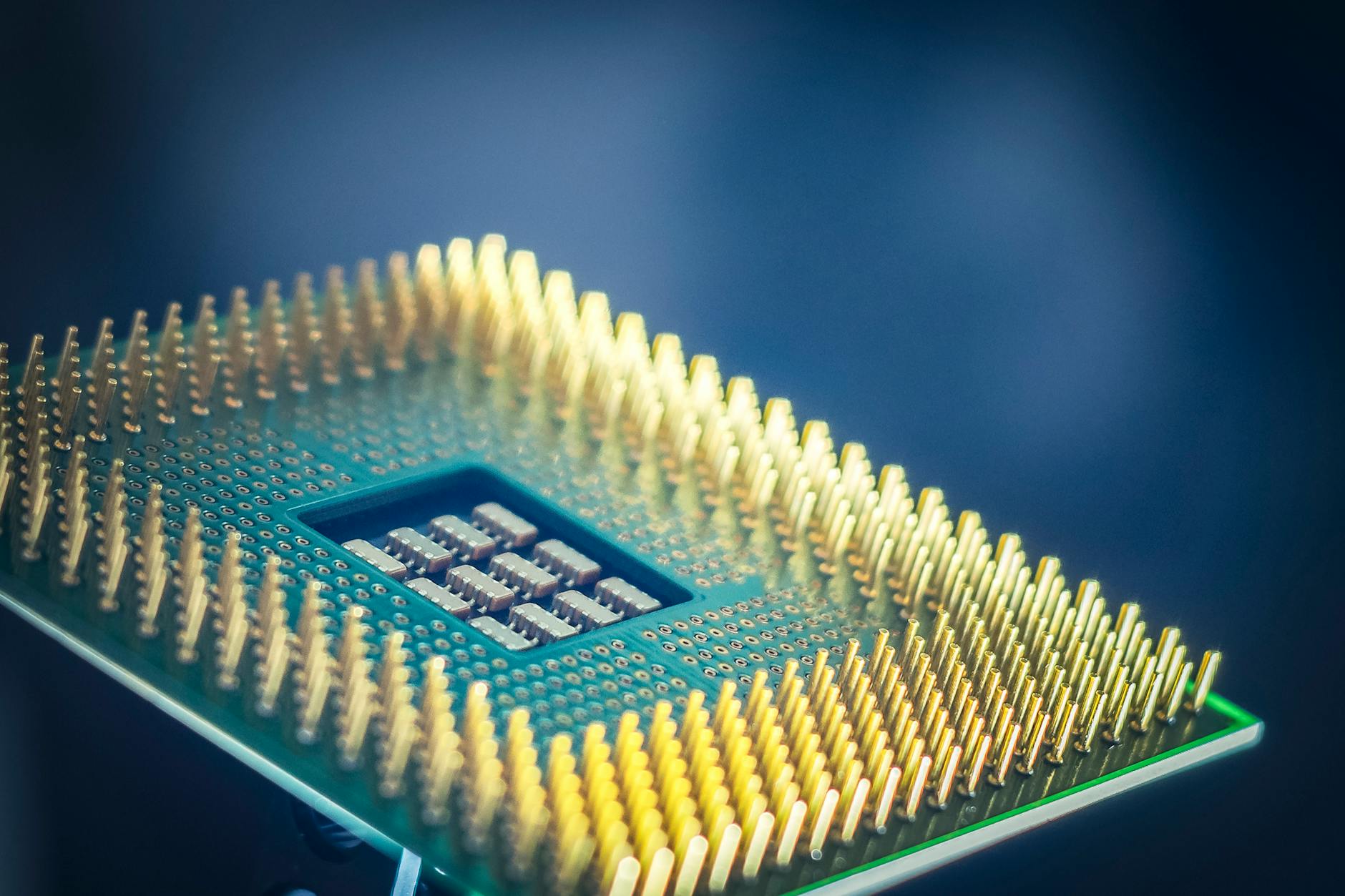
Google Expands AI Chip Collaboration with Marvell Technology
In a strategic move to bolster its artificial intelligence (AI) capabilities, Google is reportedly in discussions with Marvell Technology to create two new custom AI chips. This collaboration highlights Google’s efforts to diversify its partnerships in the semiconductor industry, moving beyond its existing relationship with Broadcom. The proposed chips include a memory processing unit and an inference-optimized tensor processing unit (TPU), aimed at enhancing Google’s AI processing capabilities.
The Importance of Custom AI Chips
As AI technology continues to advance, the demand for specialized hardware that can efficiently process AI workloads has reached new heights. Custom AI chips are tailored specifically for the unique requirements of AI applications, enabling faster processing speeds and improved energy efficiency compared to general-purpose processors. By collaborating with Marvell, Google aims to leverage innovative designs that could significantly enhance its machine learning and data processing capabilities.
Why Marvell?
Marvell Technology has established itself as a key player in the semiconductor industry, known for its expertise in building scalable and high-performance chips. Partnering with Marvell allows Google to tap into their advanced technology and experience in developing custom silicon. This partnership is set against a backdrop of growing competition in the AI chip market, where companies are racing to provide the most efficient hardware solutions for AI applications.
Current Landscape of AI Hardware Development
The AI hardware market is rapidly evolving, with major tech companies vying for dominance. Google has previously relied heavily on Broadcom for its AI chip needs. However, recent developments, including Broadcom’s recent contract agreements, have prompted Google to seek additional partners like Marvell and MediaTek. This diversification strategy not only mitigates risks associated with supply chain disruptions but also fosters innovation through collaboration with multiple chip manufacturers.
Understanding the New Chips
The two chips being discussed—a memory processing unit and an inference-optimized TPU—are designed to address specific challenges in AI processing. The memory processing unit will likely enhance data handling capabilities, allowing for quicker access to the vast amounts of data needed for AI training and inference. Meanwhile, the inference-optimized TPU will focus on executing AI algorithms more efficiently, ensuring that Google’s AI services can deliver real-time results with minimal latency.
Implications for the AI Industry
Google’s move to collaborate with Marvell emphasizes a broader trend in the AI industry: the necessity of custom hardware to support increasingly complex AI models and applications. As AI technology continues to permeate various sectors—from healthcare to finance—the need for tailored solutions becomes more pronounced. This strategic partnership could lead to advancements in AI capabilities not only for Google but also for the entire tech ecosystem.
Competitive Landscape
As Google explores new avenues for chip design, it faces stiff competition from other tech giants like NVIDIA and AMD, who have also invested heavily in AI-specific hardware. By diversifying its partnerships, Google can enhance its competitive edge and ensure it remains at the forefront of AI technology innovation. This competition is beneficial for the market as it accelerates advancements and drives down costs for consumers.
What This Means for Google’s Future
The potential partnership with Marvell represents a pivotal moment for Google as it seeks to solidify its position in the AI landscape. By diversifying its chip supply chain and investing in custom silicon, Google is not only safeguarding its operational capabilities but also positioning itself to better serve its vast array of AI-driven products and services.
Looking Ahead
As discussions between Google and Marvell progress, the tech world will be watching closely. The outcome of these negotiations could lead to breakthroughs in AI chip technology, enabling Google to enhance its machine learning services and AI applications significantly. If successful, this partnership could redefine how AI is integrated into everyday technology, making it more efficient and accessible than ever before.


